
According to Feng Shui, our homes hold onto the energy of the year we just lived—the stress, the chaos, the unfinished business. And if we don’t reset it, we carry it straight into the new year.
That’s where New Year Feng Shui comes in—and no, you don’t need crystals or a floor plan obsession to make it work.
What Feng Shui Actually Means (In Real-Life Terms)

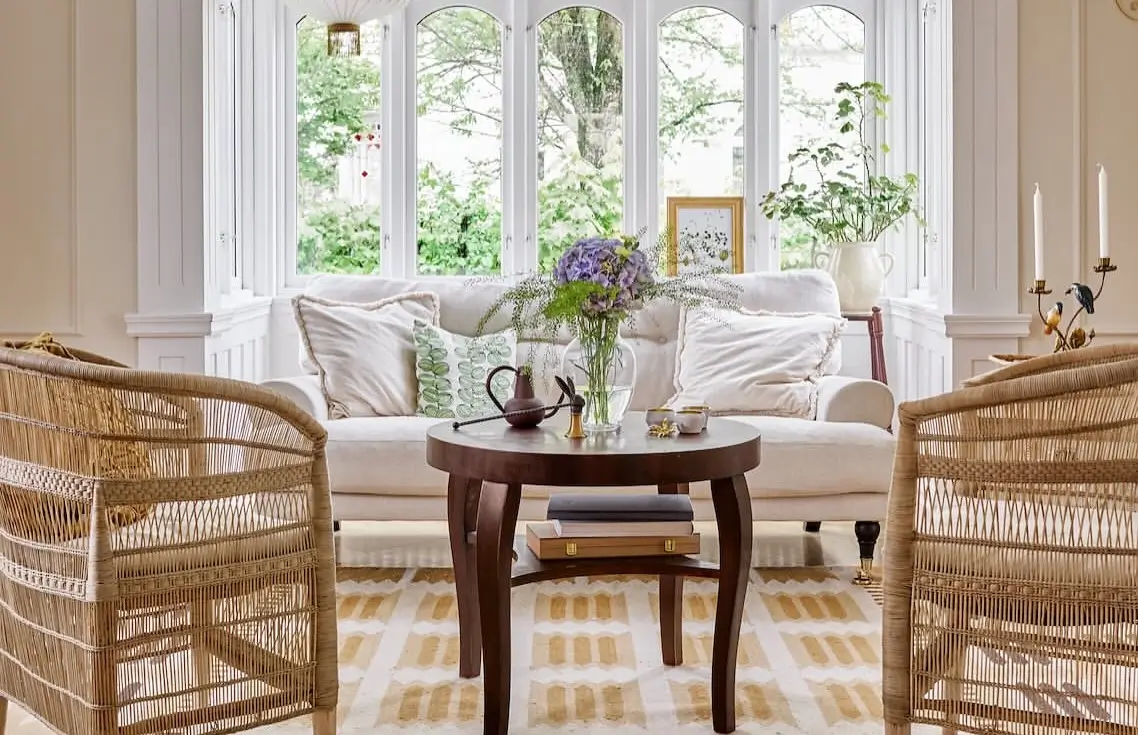
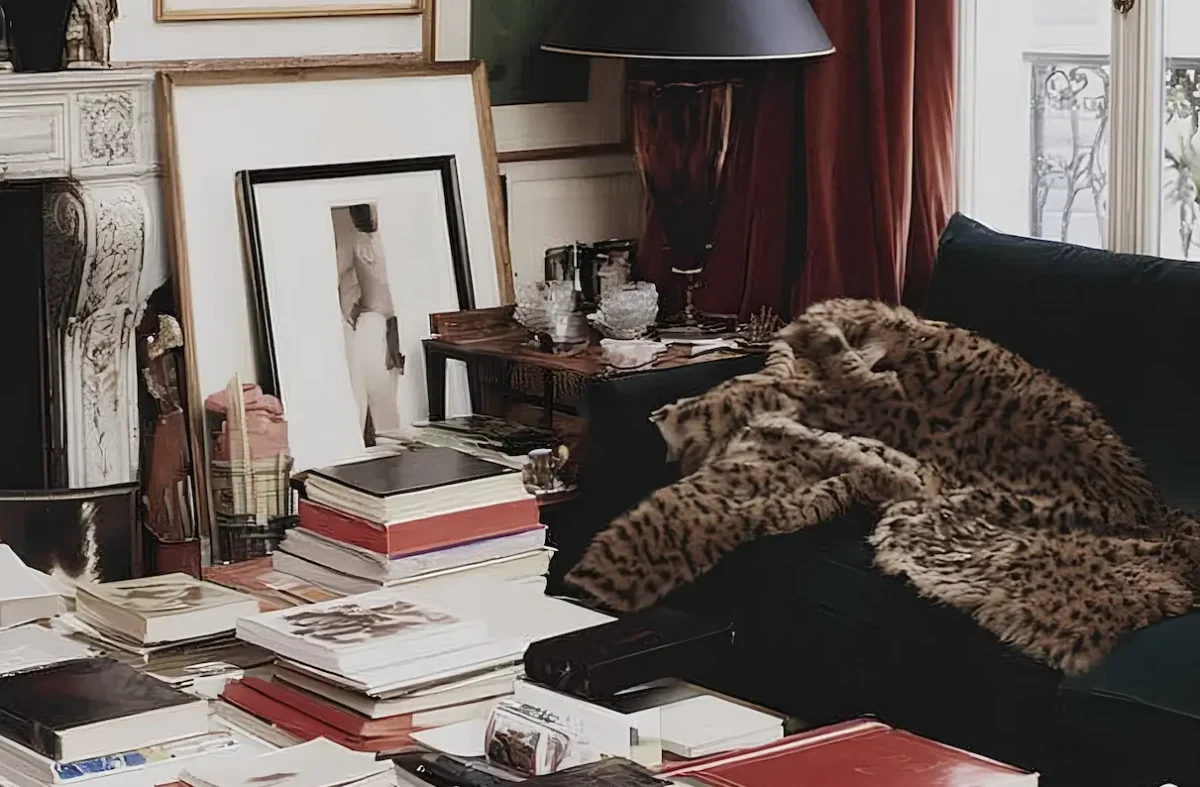
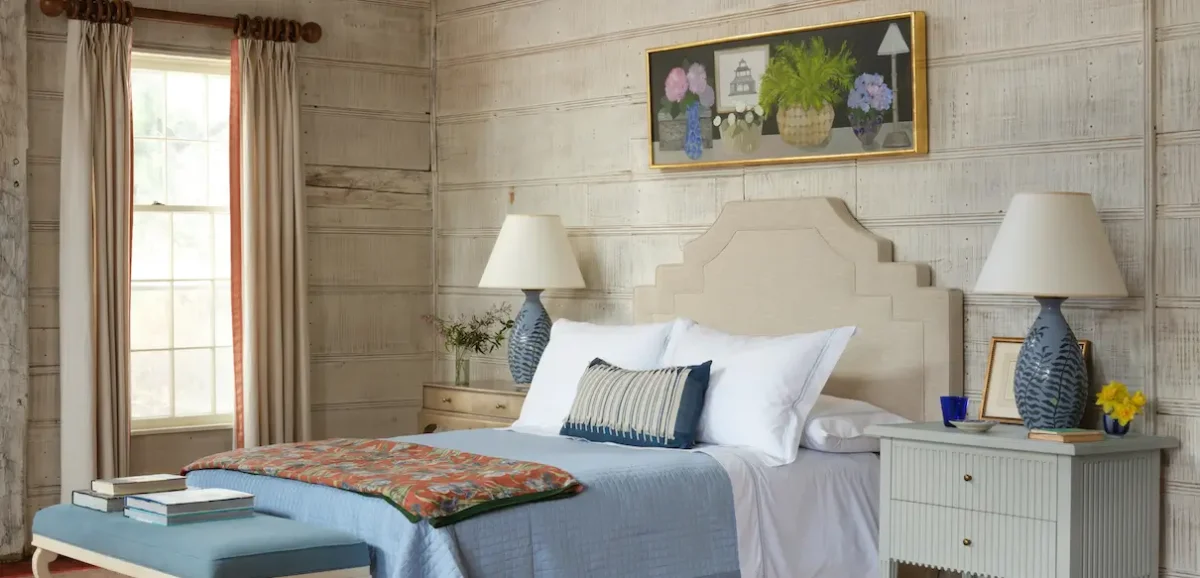
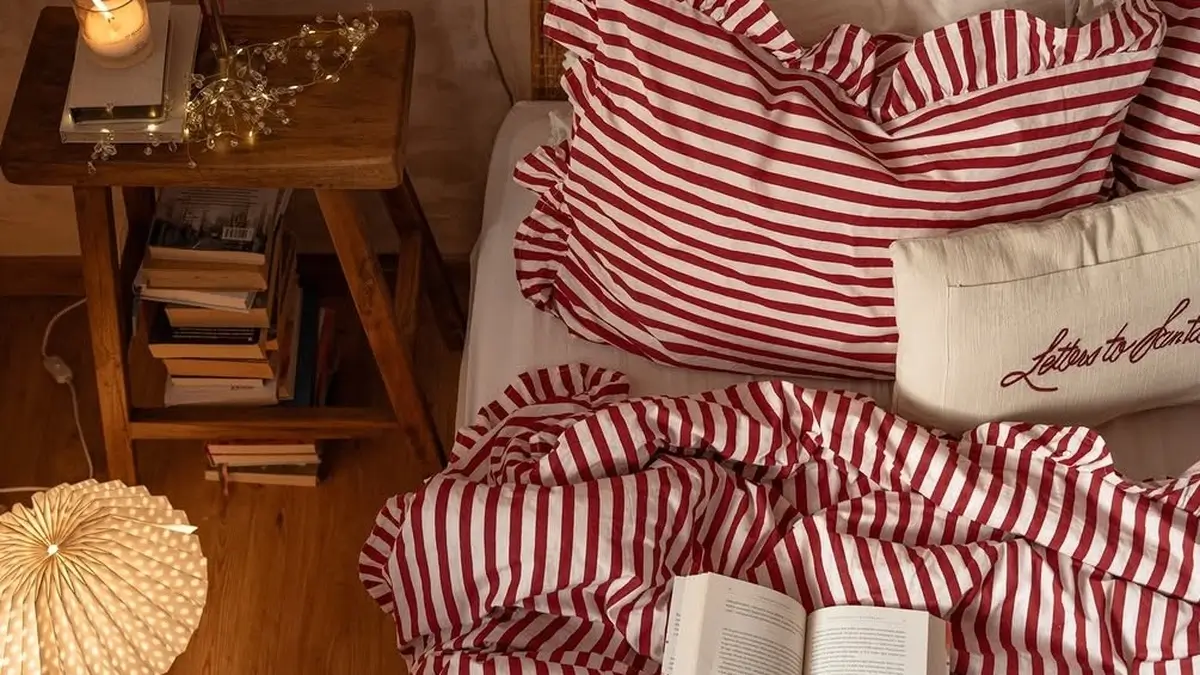
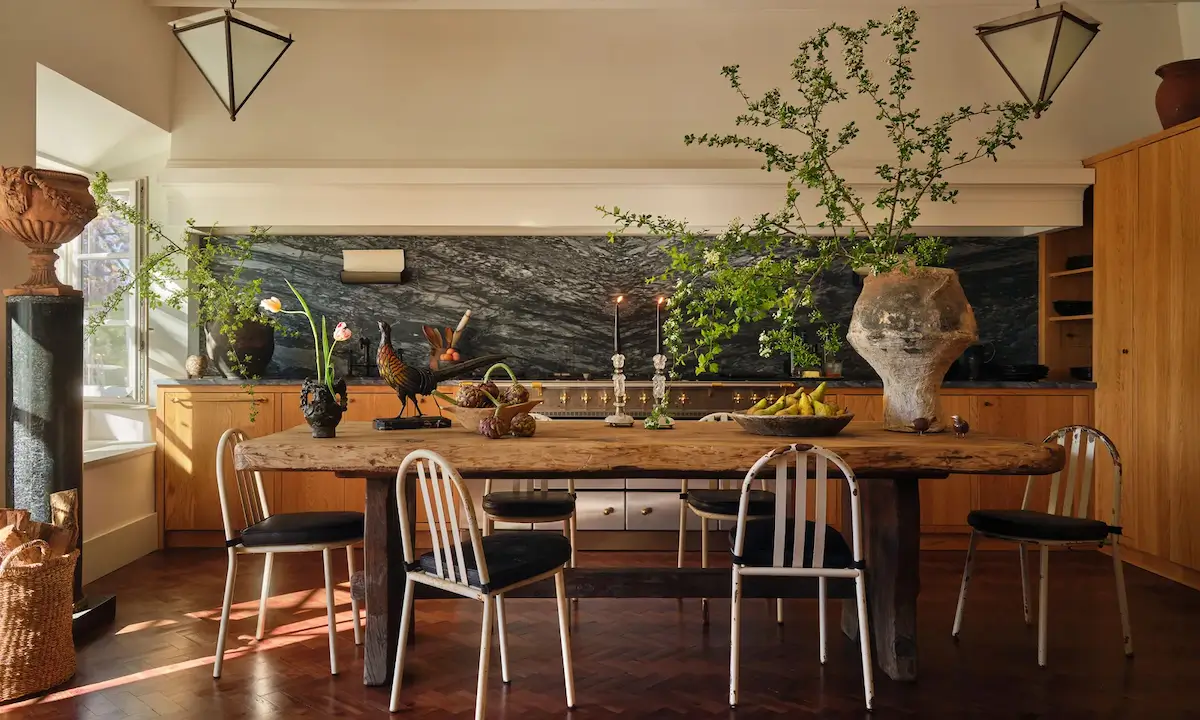
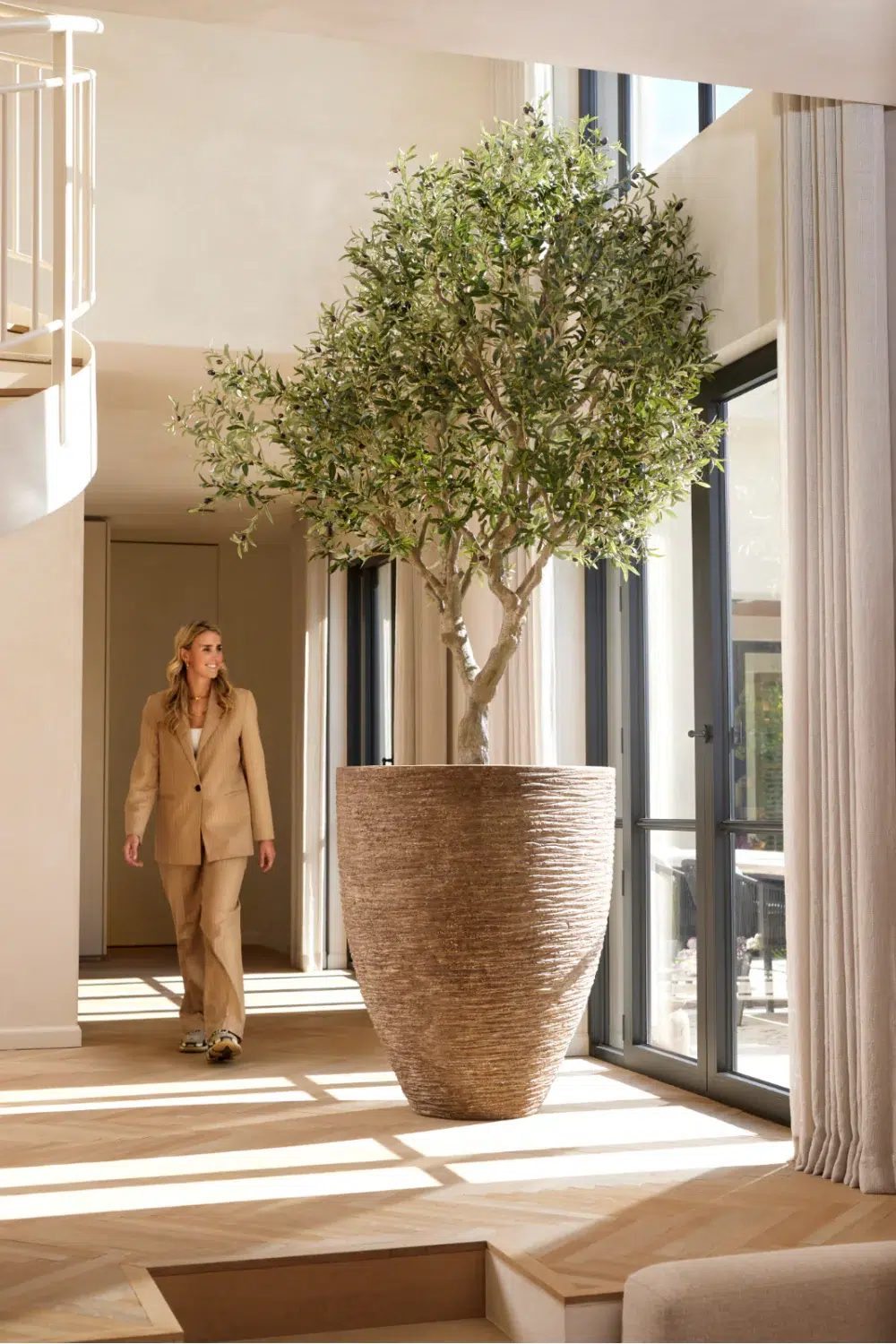
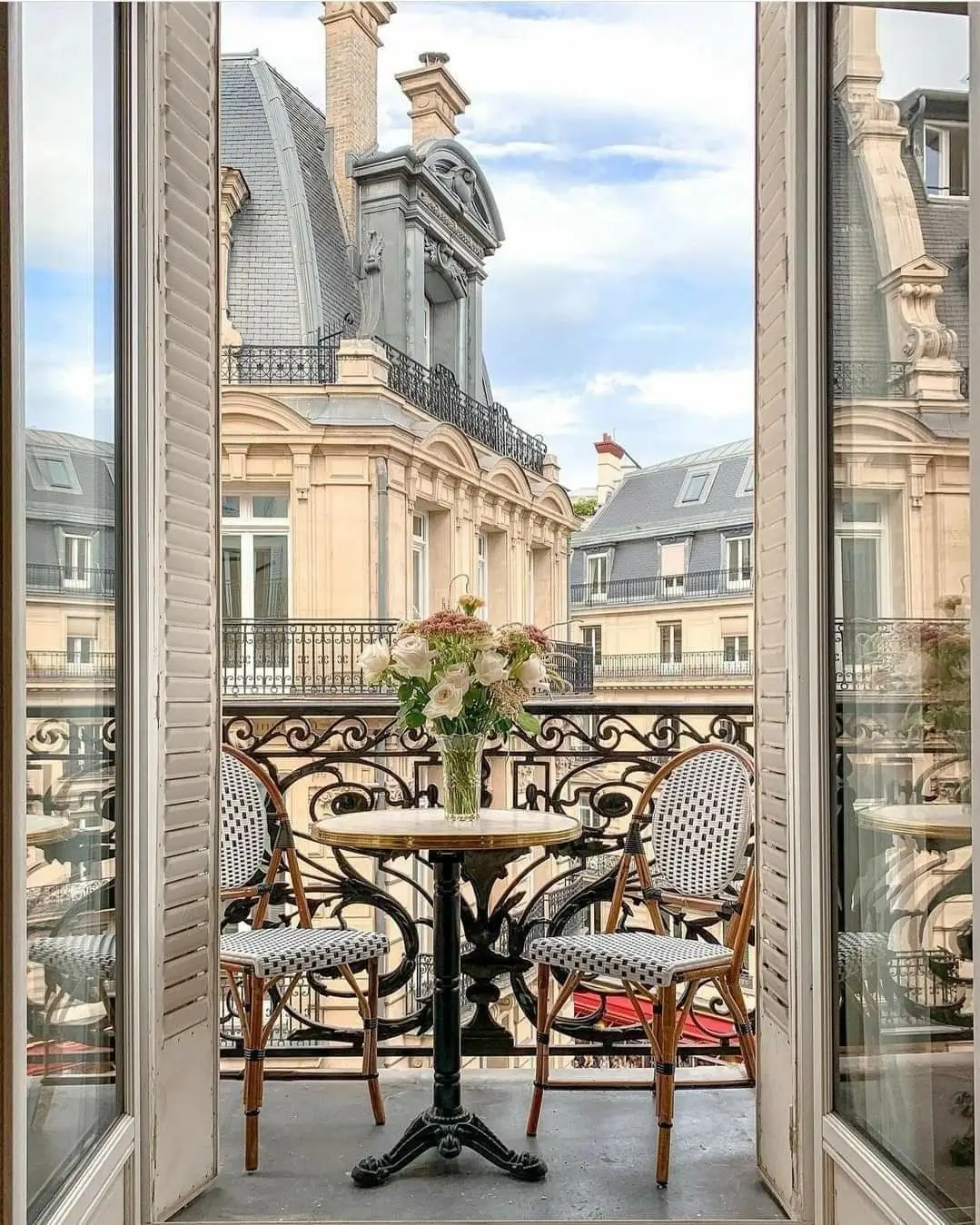
Images: ELLE Decoration UK / Design by studio skey / Photography by Taran Wilkhu
Forget the stereotypes. Modern Feng Shui is really about:
- How your space supports (or drains) you
- Why certain rooms feel calm and others feel chaotic
- How clutter quietly creates mental noise
- Why rearranging furniture can instantly change your mood
Think of it as energy-aware design—with thousands of years of trial and error behind it.
And the New Year is the most powerful time to apply it.
Why Feng Shui at the Start of the Year Matters More Than Any Other Time
Here’s the thing no one tells you:
Your home doesn’t magically reset on January 1st.
It’s still holding:
- Last year’s stress
- Emotional clutter
- Old habits
- Stagnant routines
New Year Feng Shui helps you:
✔ Clear stagnant energy
✔ Make space for new opportunities
✔ Feel lighter at home
✔ Align your space with what you actually want this year
And surprisingly? You’ll feel the shift almost immediately.
The Feng Shui Element of the New Year (Simple Version)
2026 is the Year of the Yang Fire Horse (Bing Wu) in Feng Shui, a high-energy “Double Fire” year associated with speed, passion, leadership, and bold action. This dynamic energy supports innovation and forward momentum, but without balance it can also create burnout, restlessness, and emotional overload. In Fire-dominant years, the goal isn’t to add more intensity, but to create spaces that calm, ground, and stabilize both mind and body.
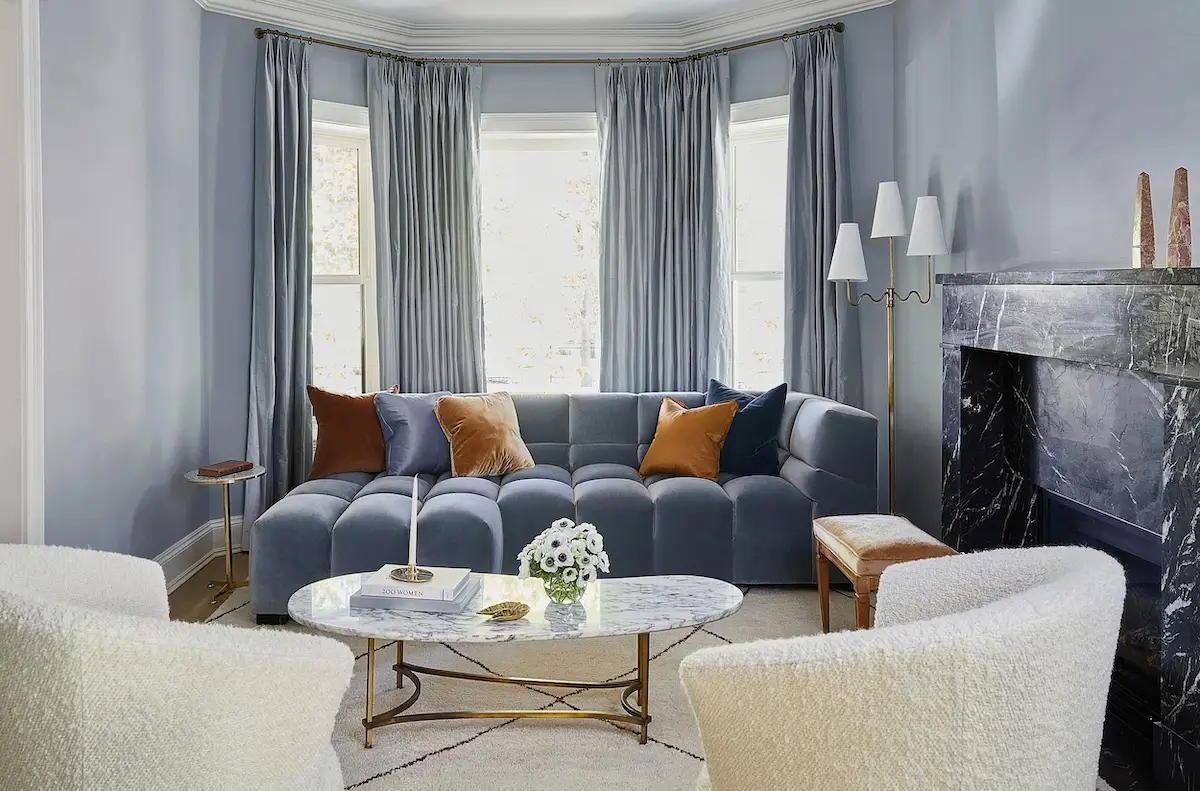
For your home, this means tempering the heat with calm blues, earthy yellows, and white (Pantone’s 2026 Color of the Year) to bring clarity, freshness, and balance. Avoid heavy clutter, dark corners, and visual chaos, and instead aim for streamlined, light-filled rooms that encourage movement without overwhelm. Subtly activating Metal and Water elements—through finishes, mirrors, glass, or deep blue accents—helps support luck, focus, and sustainability throughout this fast-paced year.
Step 1: Declutter — But Only Where It Matters Most
This is not about minimalism or throwing everything out.
Start here:
- Your entryway
- Under the bed
- Kitchen counters
- Closets you avoid opening
Ask yourself:
- Does this support who I’m becoming this year?
- Or is it anchoring me to who I was last year?
If it feels heavy, it probably is.
Step 2: Feng Shui Your Front Door (This One’s Big)

Image: Custom Entrance Mosaic Sign
In Feng Shui, your front door is called the “mouth of energy.”
Whatever enters here sets the tone for your entire home.
New Year reset checklist:
- Clean the door (inside and out)
- Fix broken handles or squeaky hinges
- Replace dead light bulbs
- Add one welcoming detail: a plant, new mat, or simple decor
You want your home to say:
“Yes, good things are welcome here.”
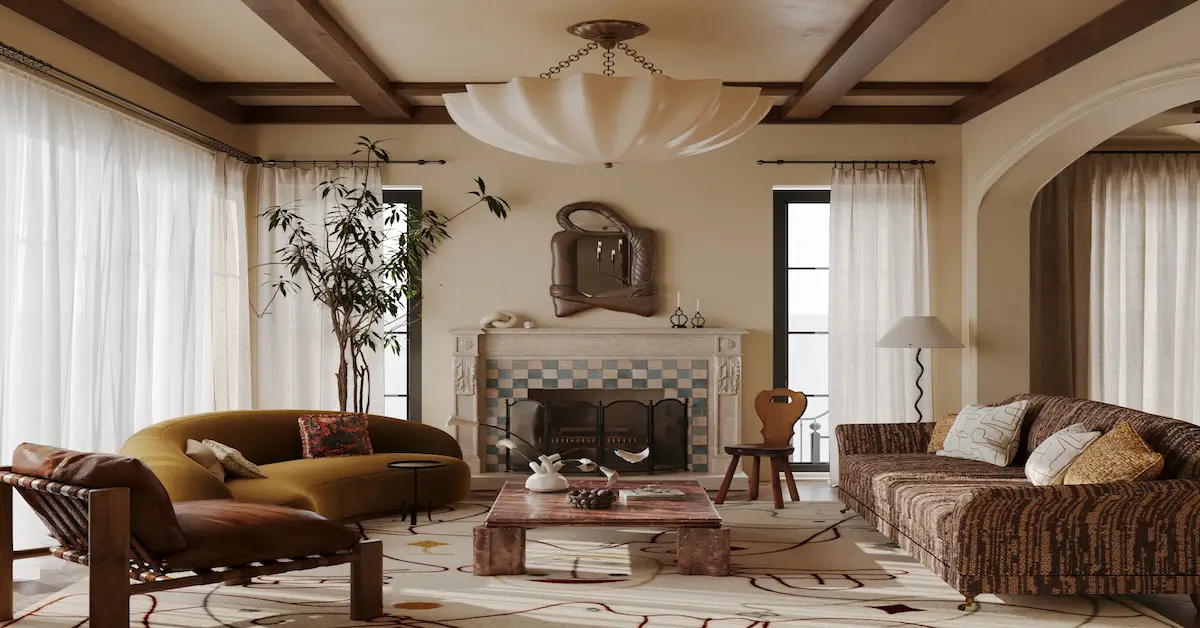
Step 3: Fix the Flow in Your Living Room
If your living room feels awkward, your energy probably is too.
Quick Feng Shui wins:
- Don’t block natural walkways
- Arrange seating so conversation feels easy
- Balance hard furniture with soft textures
- Remove broken, unused, or purely decorative clutter
A room that flows well = a mind that feels calmer.
For more feng shui tips about your living room, check out:
Step 4: Bedroom Feng Shui = The Ultimate Reset
If you only Feng Shui one room this year, make it your bedroom.
For better sleep, clarity, and relationships:
- Clear nightstand clutter
- Avoid mirrors directly facing the bed
- Choose calming, warm tones
- Keep electronics to a minimum
Your bedroom should feel like rest, not storage. For more tips check out: How To Feng Shui Your Bedroom
Step 5: Add New Energy on Purpose
After clearing, you must invite new energy in—otherwise your home can feel empty instead of renewed.
Easy New Year Feng Shui additions:
- A healthy plant (growth + Wood energy)
- Fresh bedding or towels
- One intentional decor change per room
Small changes signal big shifts.
You Don’t Have to Believe for Feng Shui to Work
Here’s the truth:
Feng Shui works because your environment shapes your behavior, emotions, and mindset.
When your home feels intentional:
- You procrastinate less
- You sleep better
- You feel more optimistic
- You’re more open to change
That’s not superstition.
That’s psychology—wrapped in ancient wisdom.
For more feng shui tips, check out:
- Essential Feng Shui Rules for a Balanced and Prosperous Kitchen
- Feng Shui Tips: Colors to Skip in Your Kitchen
- Feng Shui Tips: Colors to Skip in Your Kitchen
- How to Create a Perfect Feng Shui Dining Room
- This Is How to Feng Shui Your Entryway Table
A New Year Reset Isn’t Complete Without Your Home
You wouldn’t walk into the new year carrying last year’s emotional baggage.
So why let your home do it?
A simple Feng Shui reset can make your space feel lighter, calmer, and aligned with what you actually want this year—without renovations, rules, or pressure.
Sometimes, the fresh start you’re craving begins when you clear out a single drawer, shift a chair to create better flow, and open your door—both literally and energetically—to something better.
Discover more from Decoholic
Subscribe to get the latest posts sent to your email.