Gray had a long run. Like, an aggressively long run. We painted entire houses gray, bought gray sofas, layered gray rugs on gray floors, and convinced ourselves it felt “timeless” when sometimes it just felt… cold.
And now? Designers are officially warming things up again.
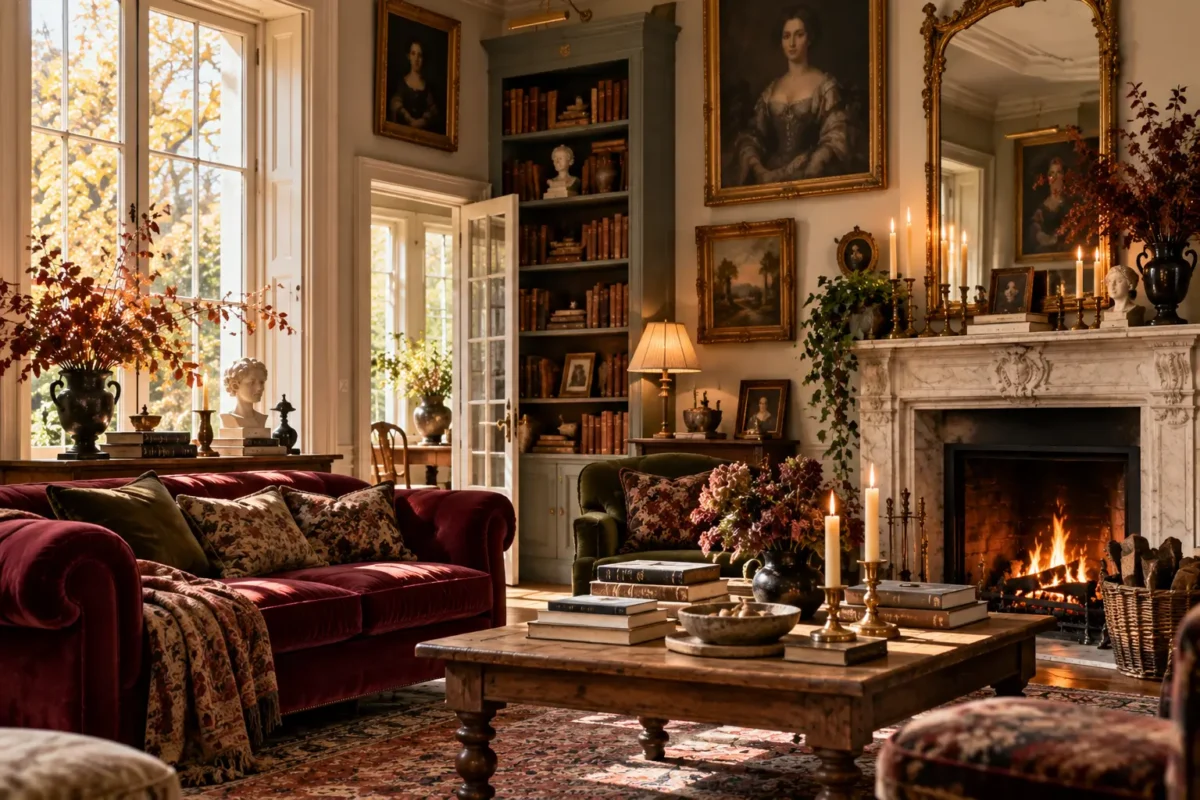
The biggest shift happening in 2026 interiors is that people want homes to feel cozy, personal, and alive — not like a luxury apartment lobby. Which means gray is slowly stepping aside for softer, earthier colors with actual warmth and personality.
So what’s replacing it?
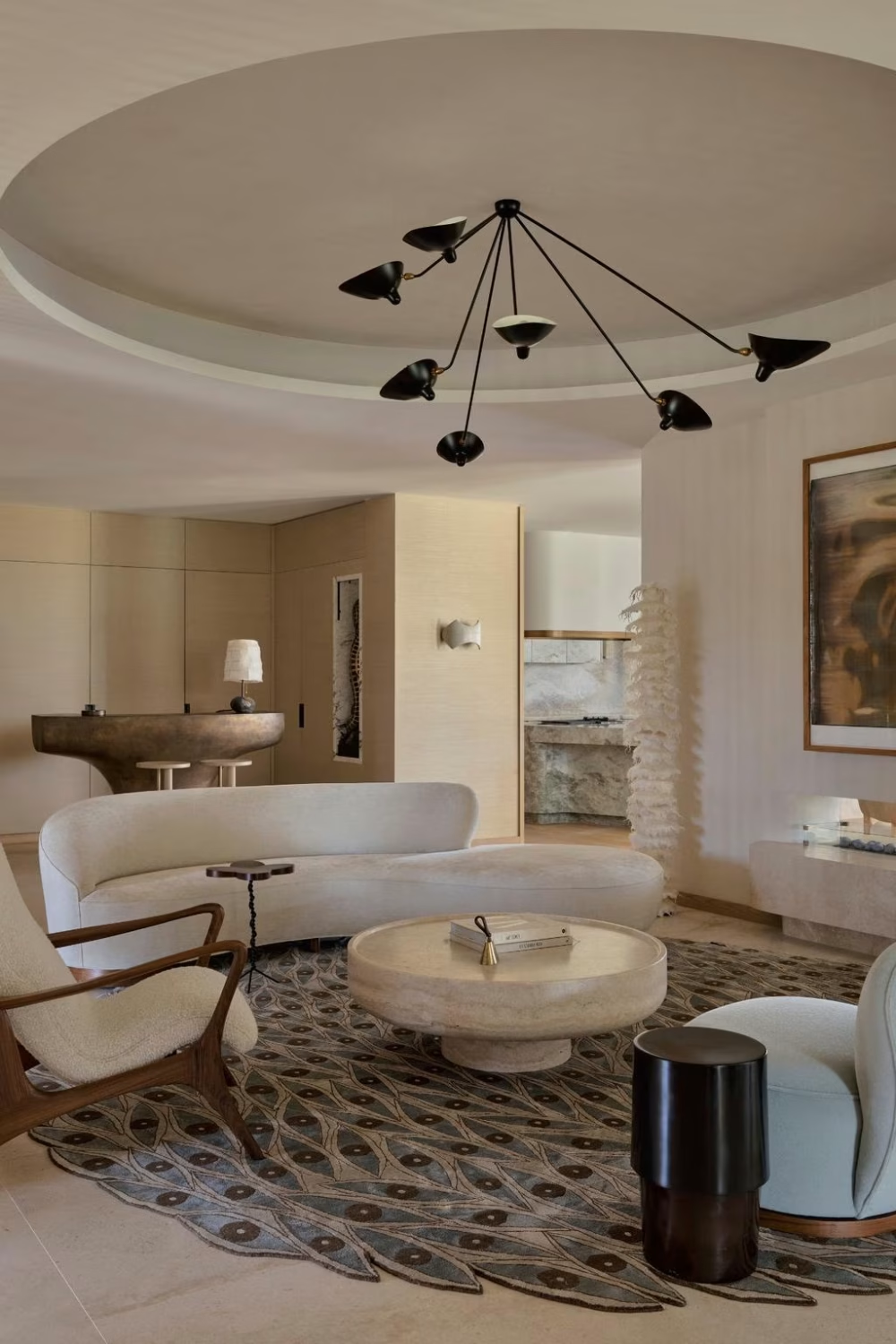
Image: Wendy Labrum Interiors
Mushroom Tones
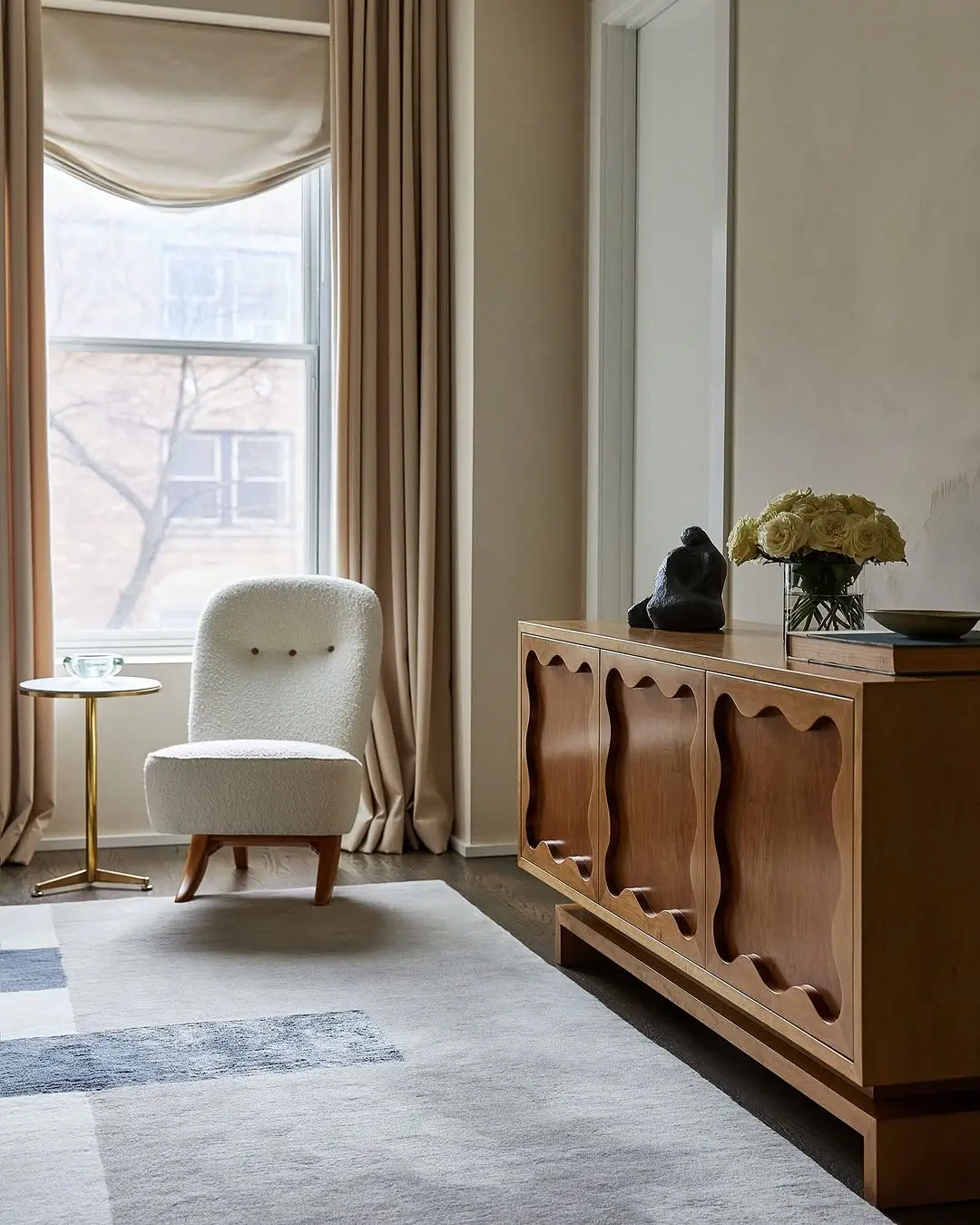
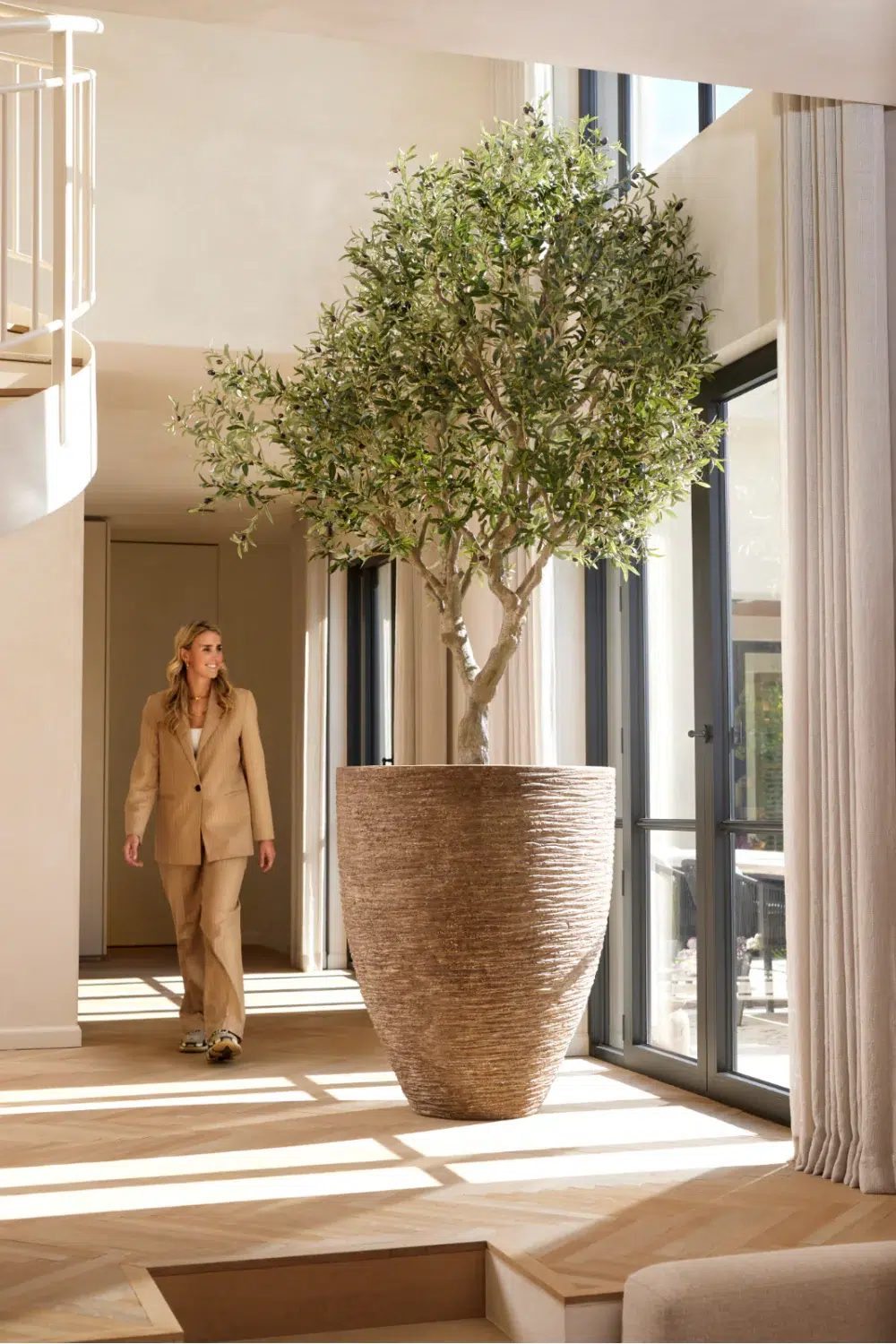
Image: Wendy Labrum Interiors
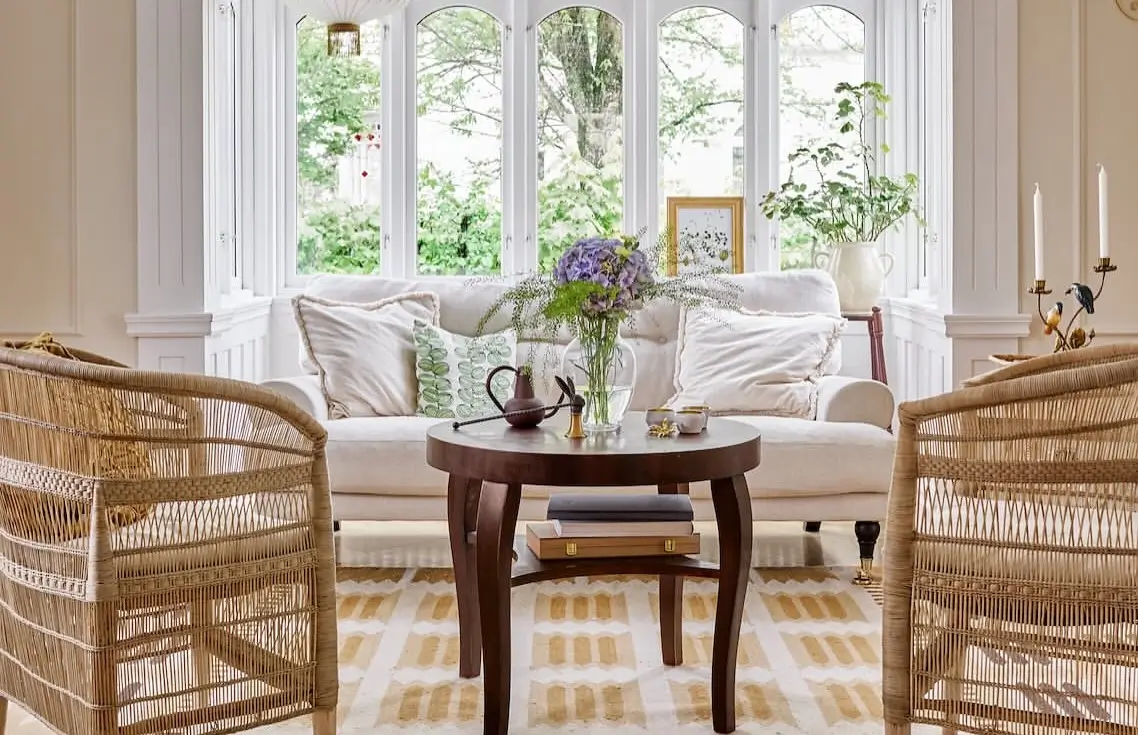
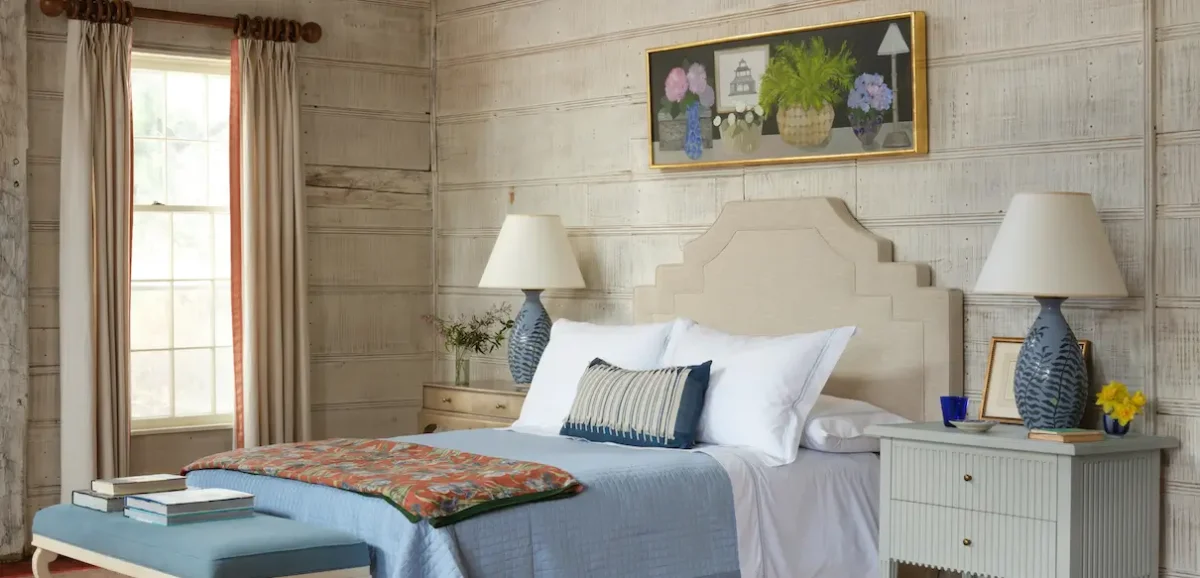
If gray and beige had a very chic European baby, it would be mushroom. These soft taupe-y shades are everywhere right now because they still feel neutral and sophisticated, just way warmer and easier to live with.
They look especially beautiful with:
- warm wood
- linen
- creamy whites
- vintage pieces
- brass accents
Basically the entire “quiet luxury but make it comfortable” aesthetic.
Wait… Aren’t Mushroom Tones Basically Gray and Beige?
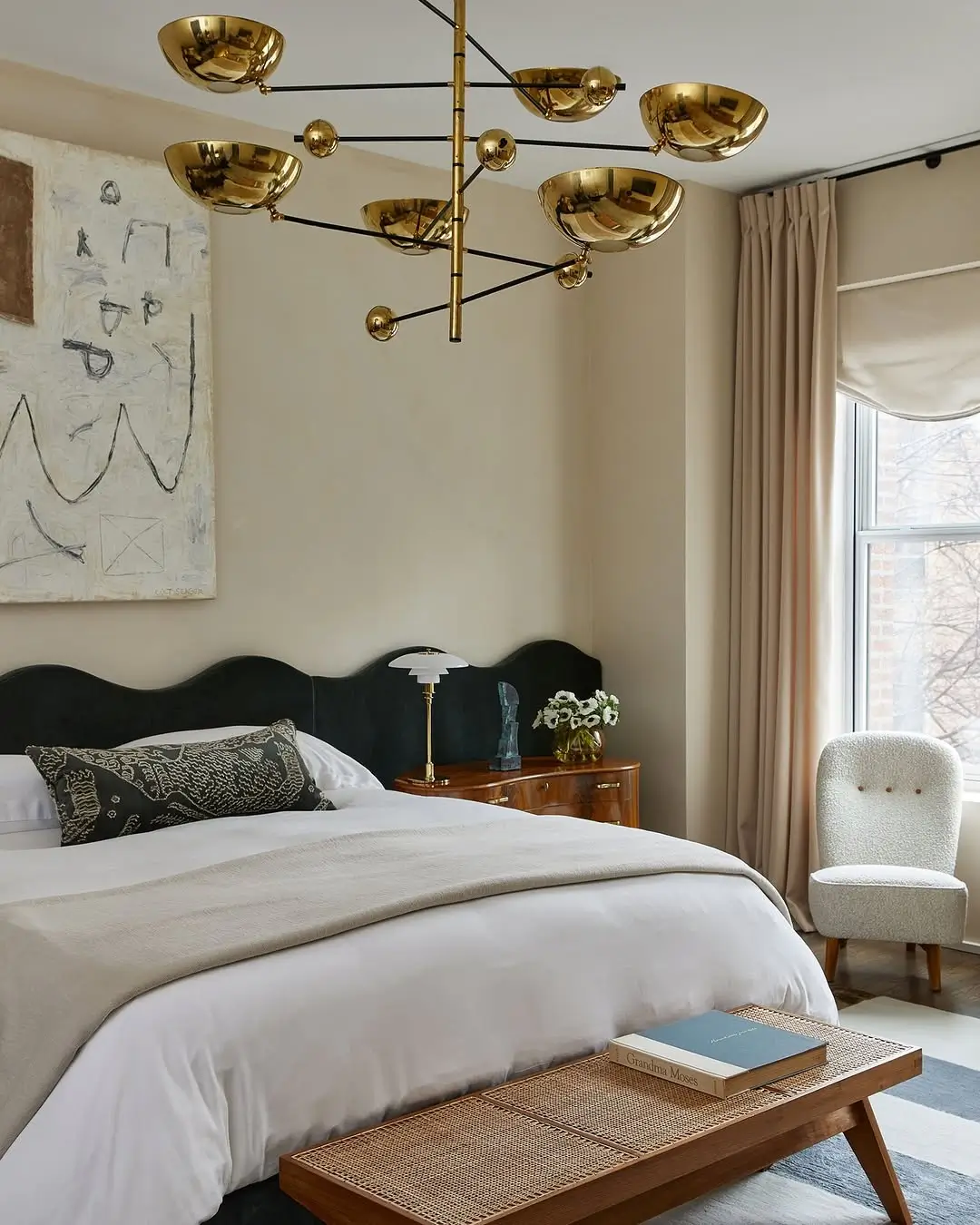
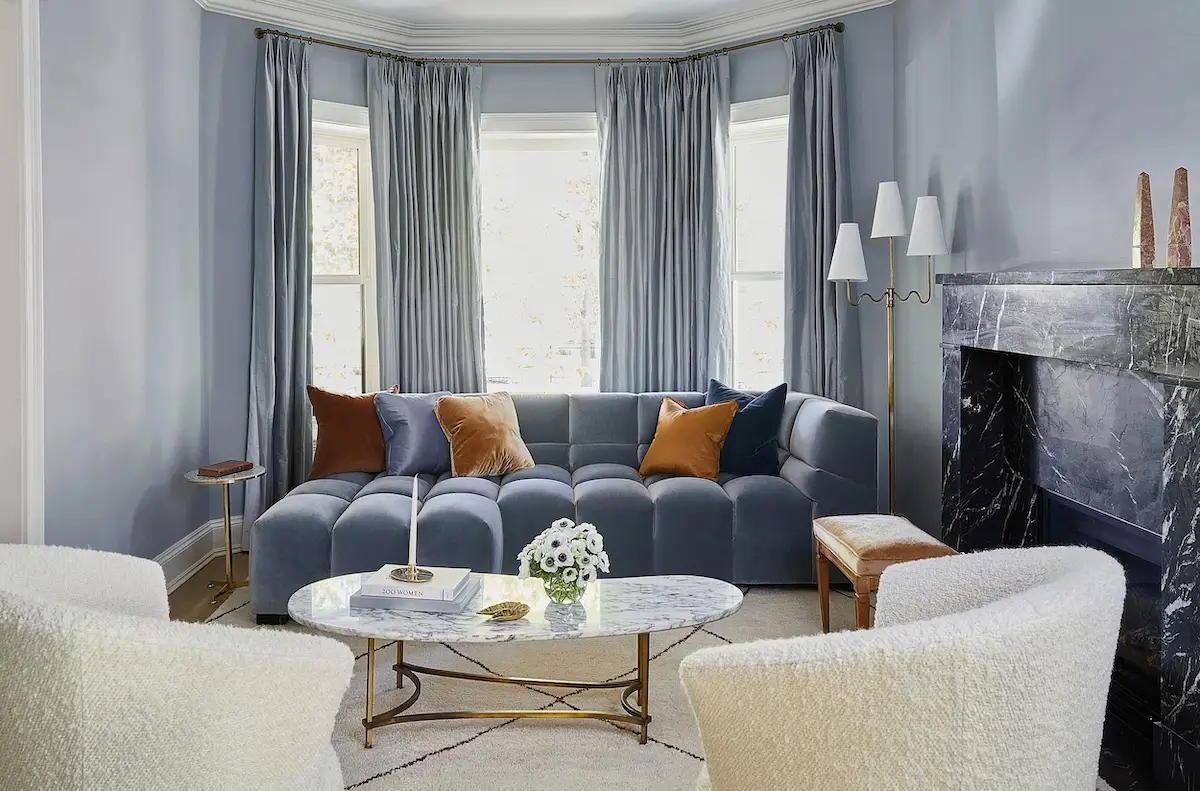
Image: Wendy Labrum Interiors
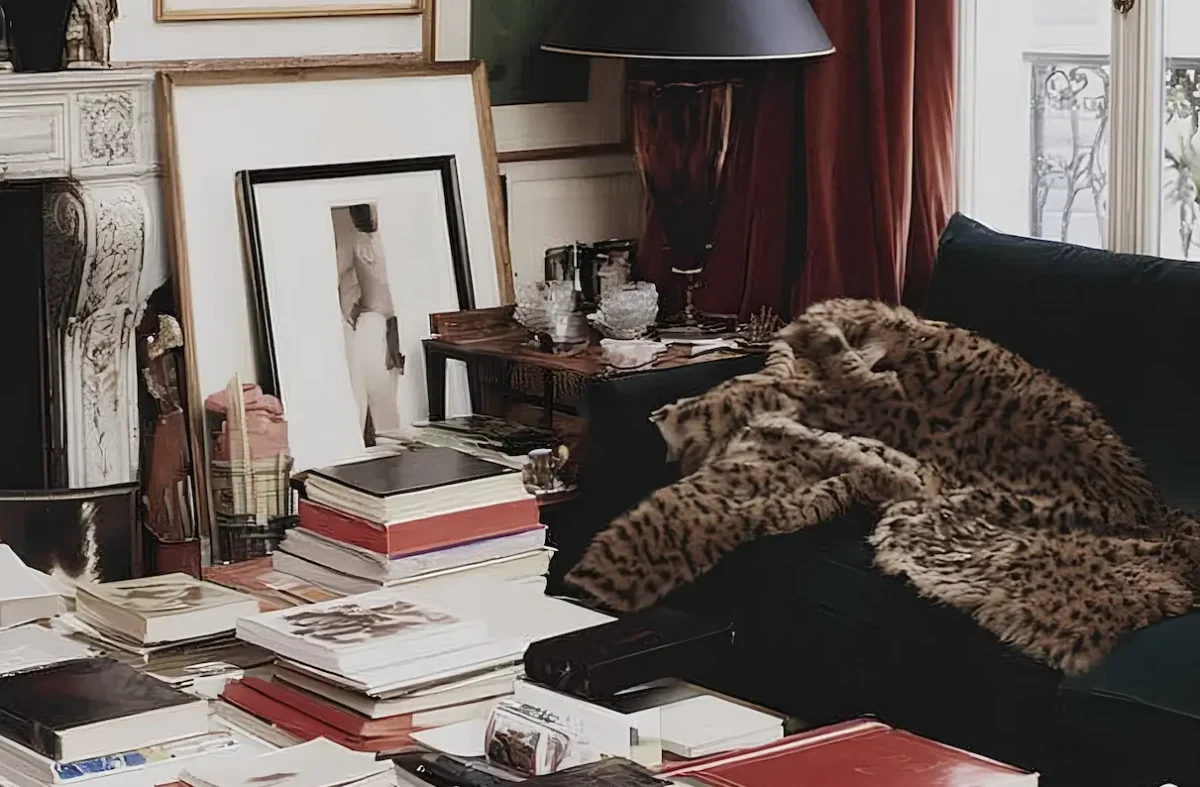
Yes. Technically mushroom tones are a blend of gray and beige — but the difference is all in the undertones.
The cool grays that dominated the 2010s leaned icy and blue-toned, while mushroom shades feel warmer, earthier, and softer. They have more depth and look much more natural with wood, linen, stone, and layered textures.
So it’s not that people suddenly hate neutrals. We just got tired of the cold versions of them.
Honestly, mushroom tones are basically gray after a vacation in Tuscany.
Earthy Greens
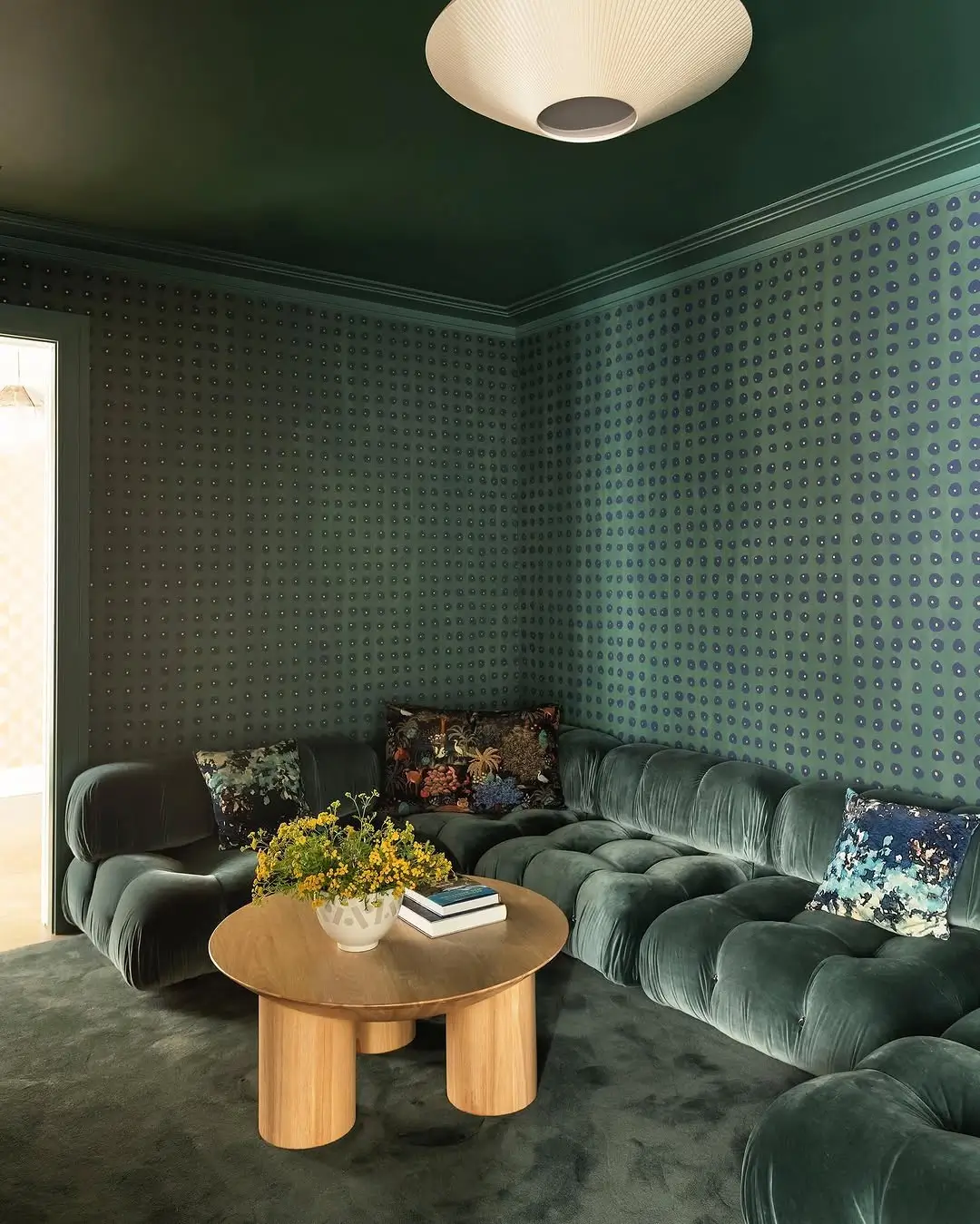
Sage, olive, eucalyptus — muted greens are becoming the new neutral. And honestly? It makes sense. Green somehow adds color without overwhelming a room.
It instantly makes spaces feel calmer and more layered, especially in kitchens and bedrooms. Designers are using it instead of gray cabinetry because it feels softer and more organic.
This gorgeous green screening room by Studio DB is basically the perfect example. Between the deep green hand-painted wallpaper, the vintage Bellini sofa, and the rich tonal layering, the whole space feels immersive in the best possible way — dramatic but still incredibly cozy.
Warm Beige Is Officially Back
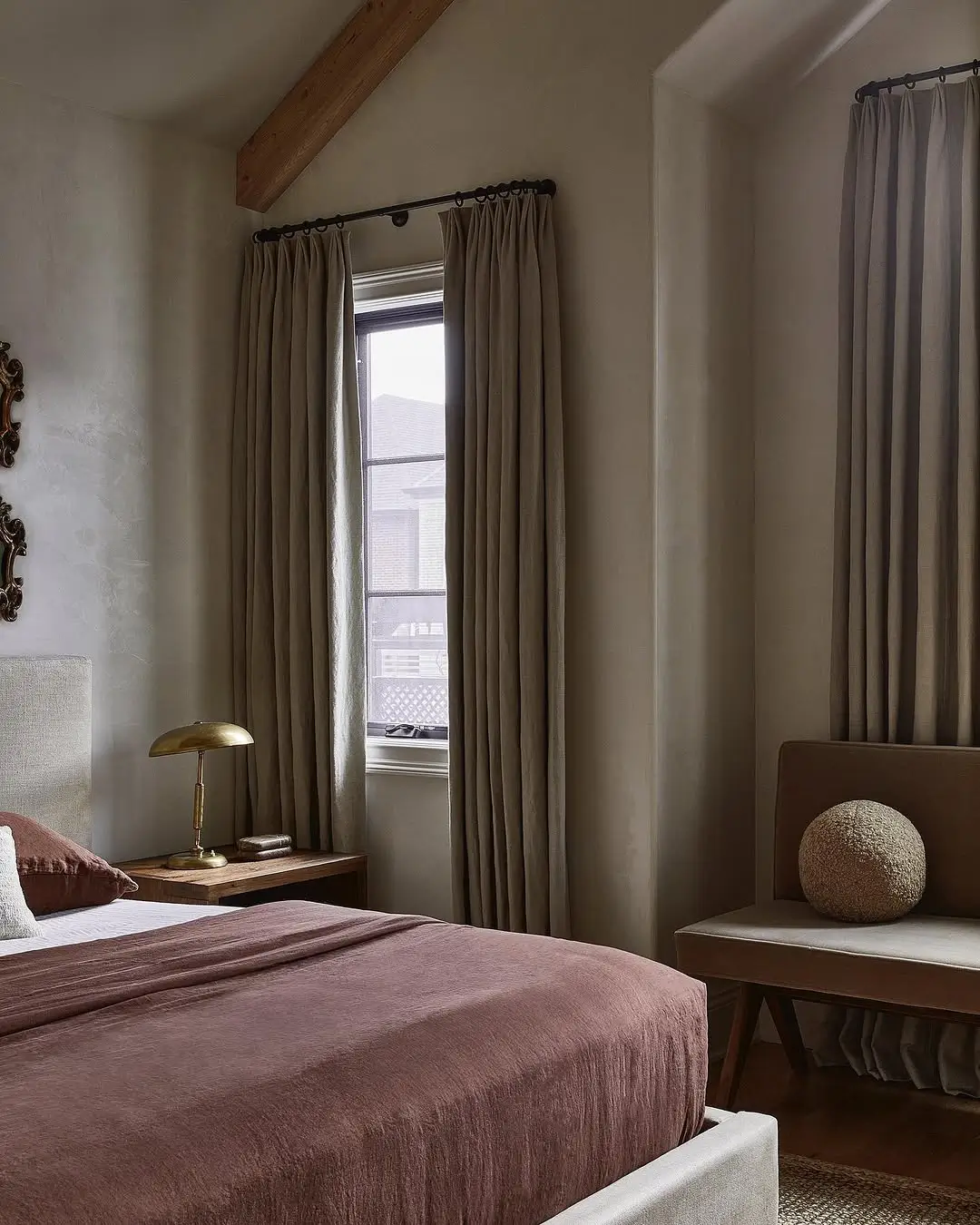
I know. Beige had a rough reputation for a while. But the new beige is not builder-basic beige.
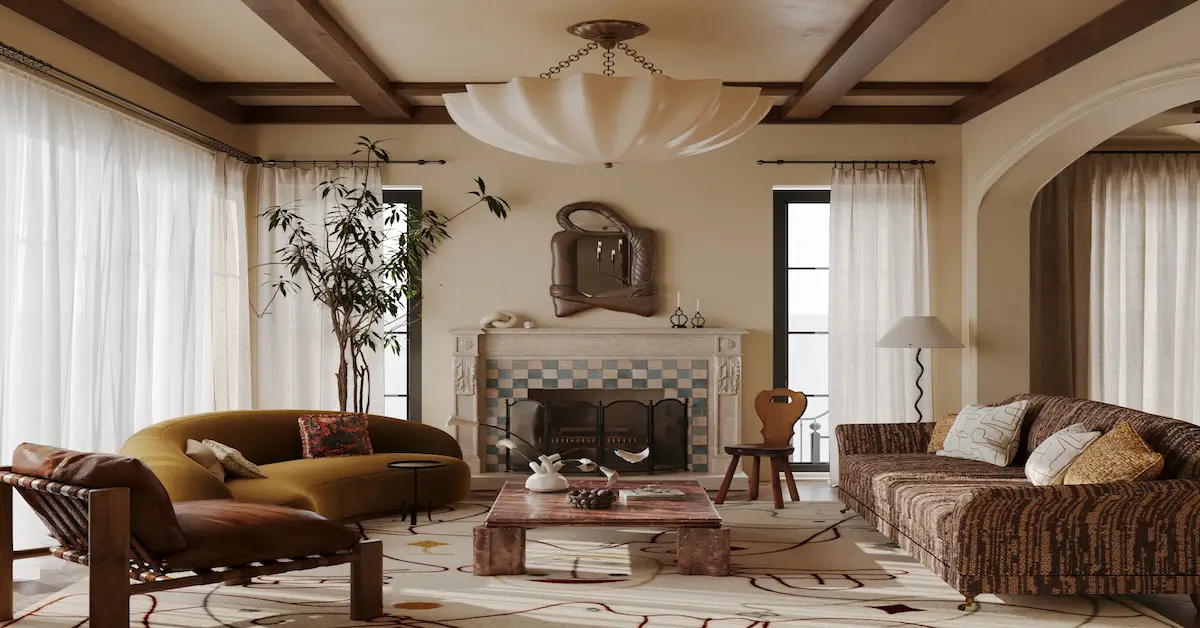
The 2026 version is creamy, rich, and actually gorgeous. Think oat milk, sand, clay, and warm putty tones that make a room feel glowy instead of flat.
And paired with texture? So good.
Terracotta & Clay Colors
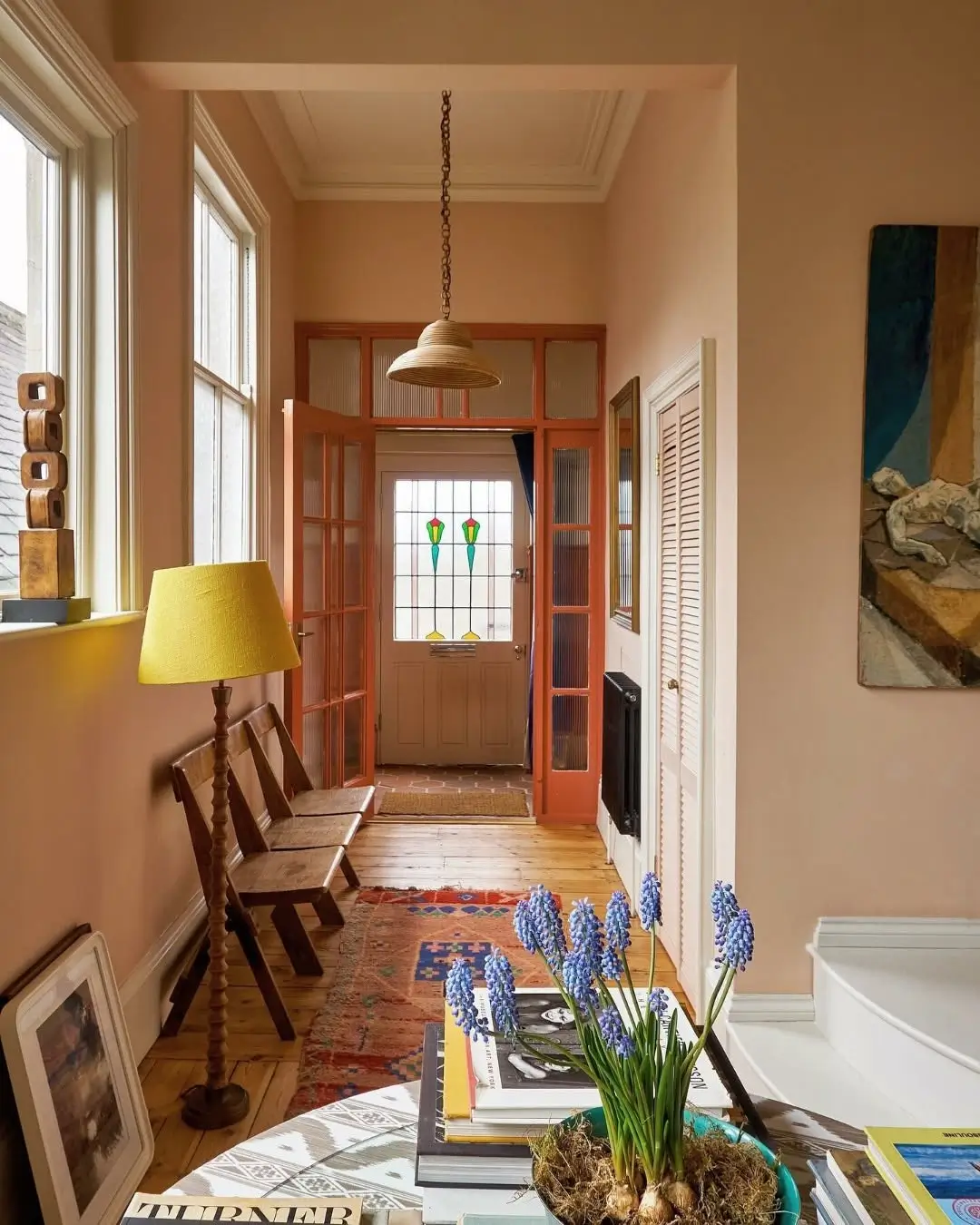
This is the other big reason gray is fading: people are craving warmth.
Terracotta, rust, cinnamon, blush clay, and sunbaked earth tones instantly make interiors feel softer and more lived-in. Even subtle versions of these shades can completely transform a space.
Jodie Hazlewood‘s beautiful hallway is a perfect example. The warm peachy-clay walls, natural wood floors, vintage rug, and soft lighting create that cozy collected feeling that cool gray interiors often lacked. It feels personal, relaxed, and full of character — which is exactly where design is heading in 2026.
Even just adding a few earthy accessories or warmer paint tones can completely soften a gray-heavy room.
So… Is Gray Completely Out?
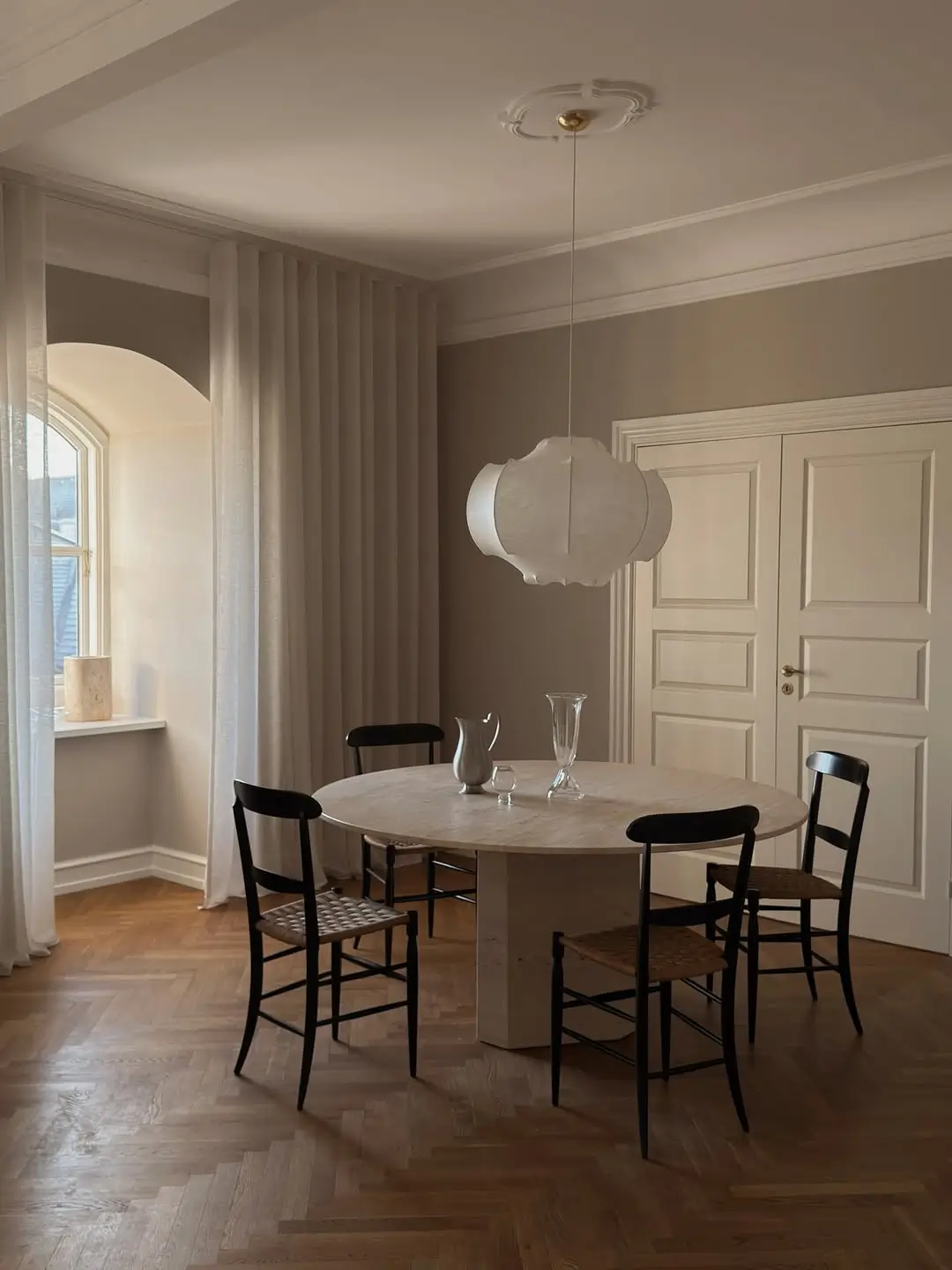
Image: Carla Sofie Molge
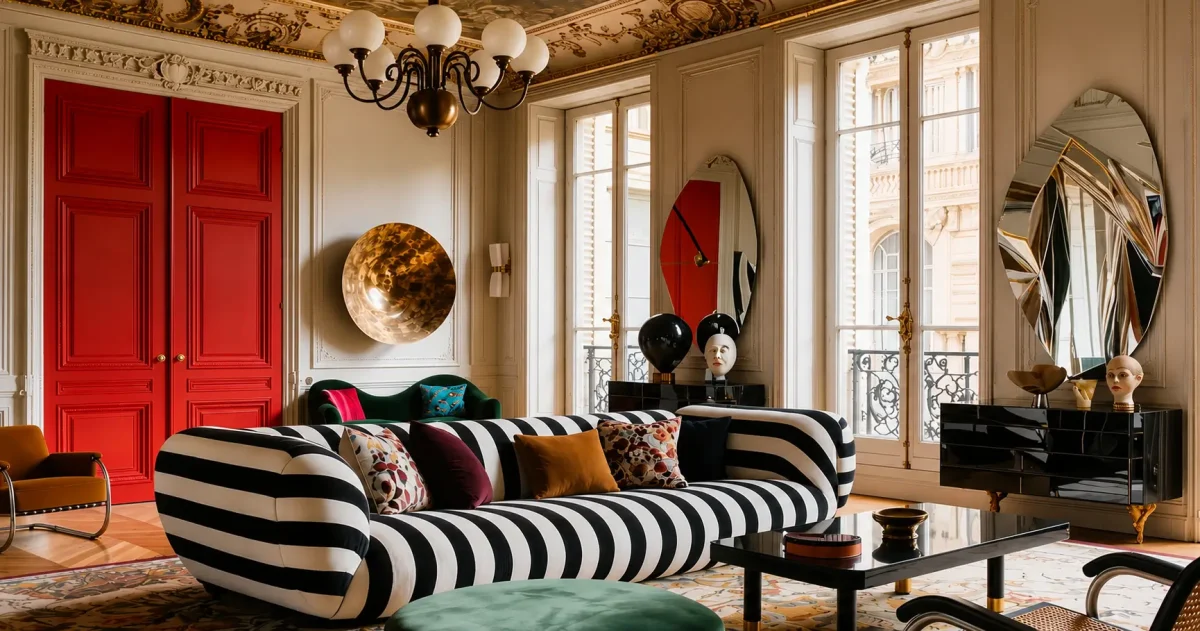
Not entirely. Warm grays still work beautifully. But the icy blue-gray look that dominated the 2010s is definitely starting to feel dated.
The difference in 2026 is how designers are using it. Today’s gray living rooms feel warmer, softer, and far more layered than the cool-toned spaces that dominated the 2010s. Think cozy textures, earthy undertones, warm woods, and moody color pairings instead of flat minimalist palettes. If you want inspiration that feels current (without making your living room look icy or dated), these modern gray living room ideas show exactly how designers are updating the color for 2026.
Discover more from Decoholic
Subscribe to get the latest posts sent to your email.