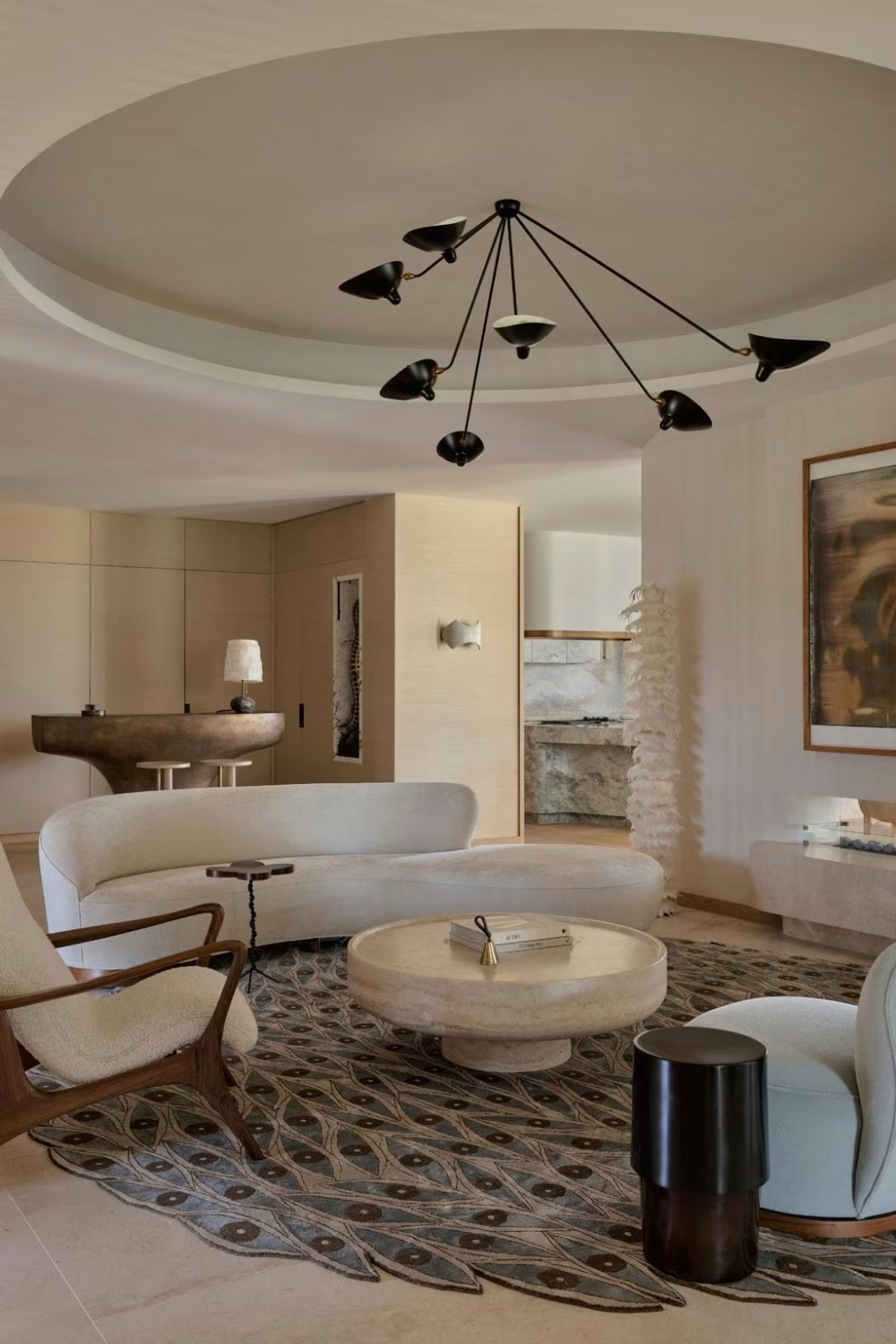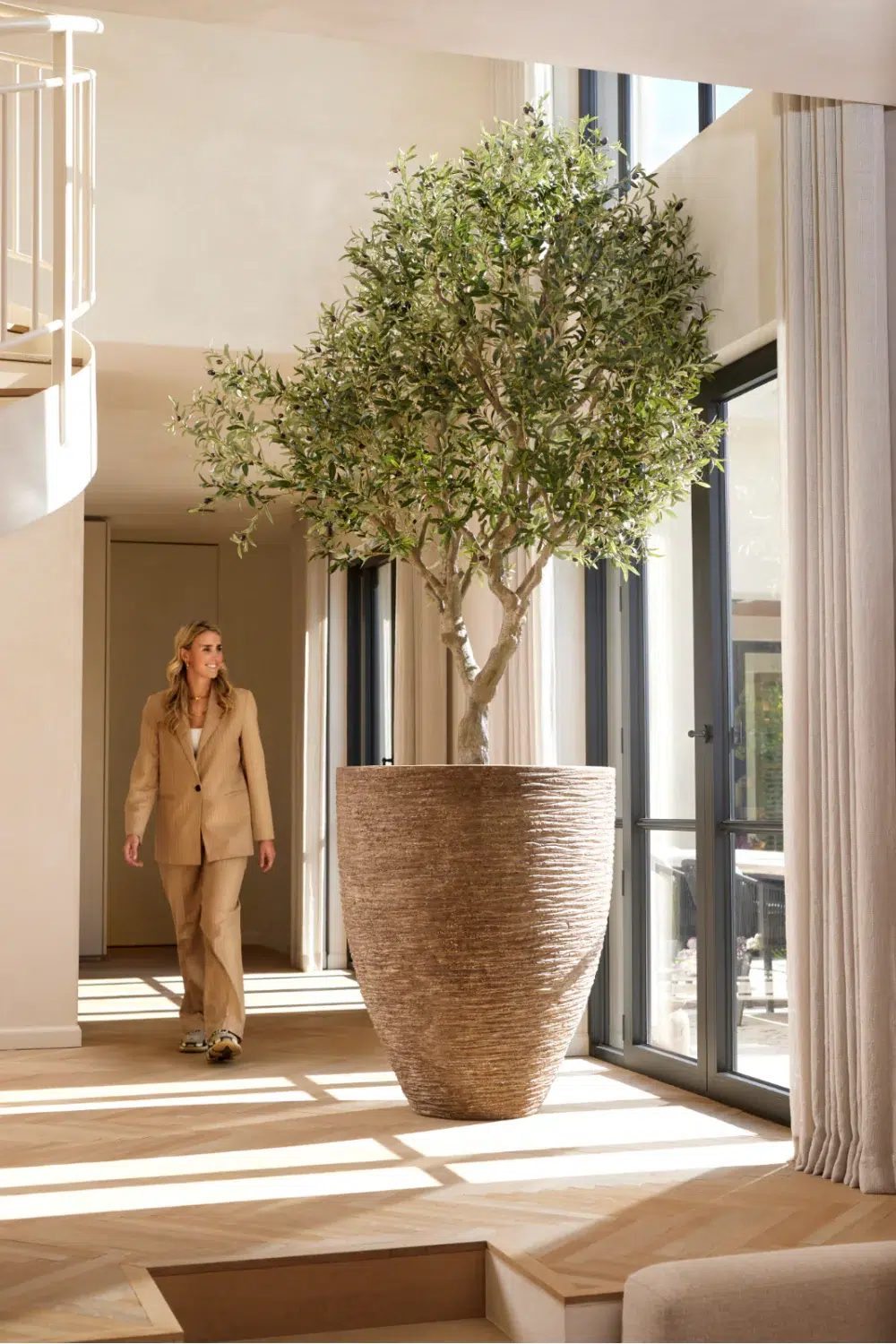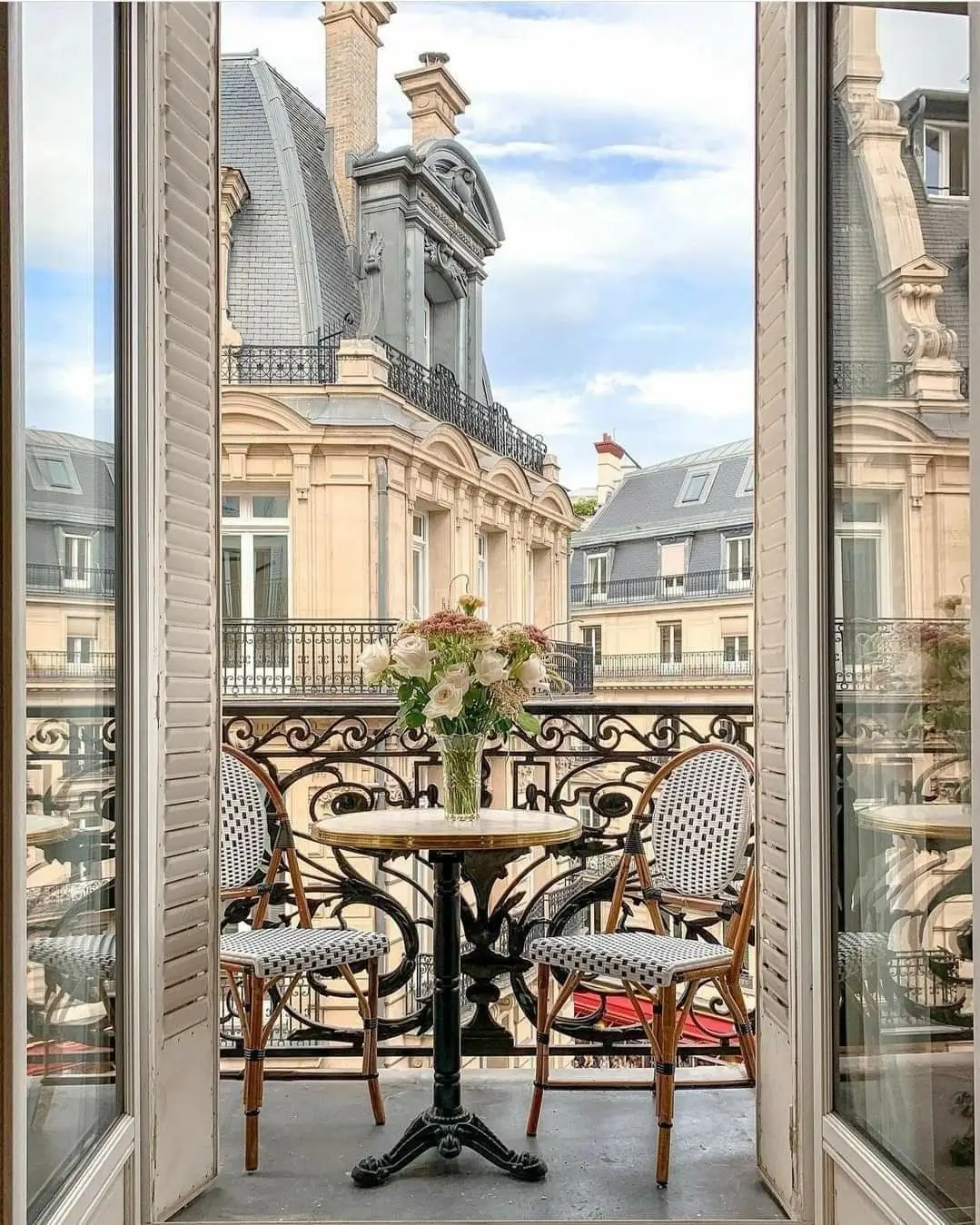
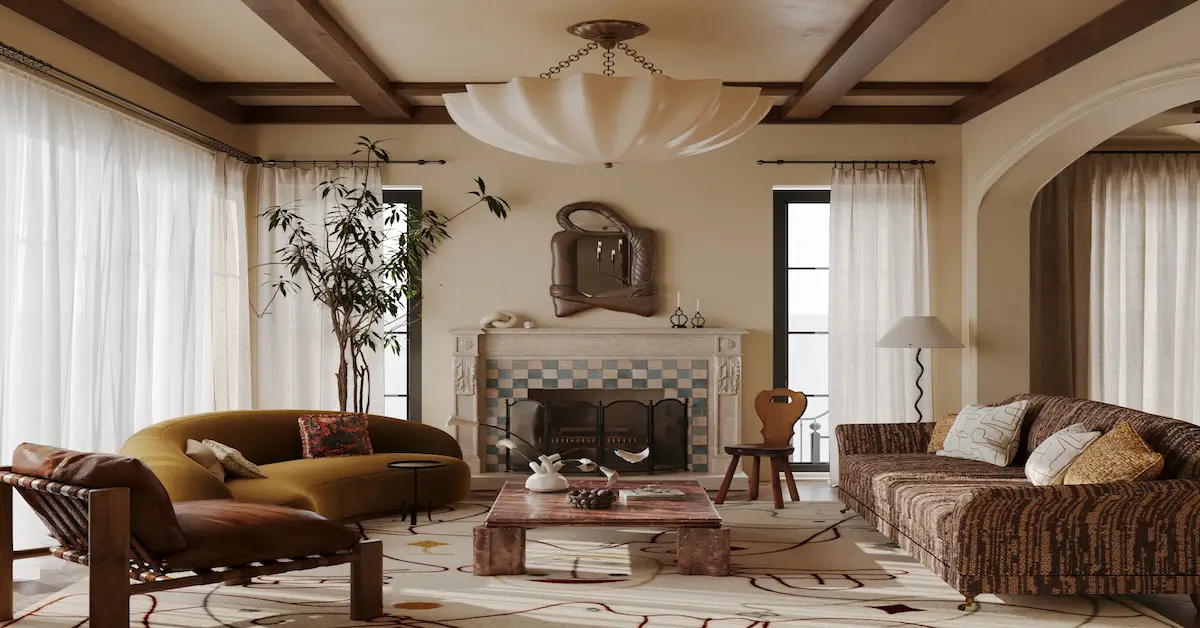
Ever walked into a home that instantly felt calm, bright, and easy to breathe in?
And then another one that felt strangely heavy or draining — even if it was beautifully decorated?
According to Feng Shui, your home’s orientation may have a lot to do with that.
And honestly, this idea isn’t as “mystical” as it sounds. We already know that natural light, fresh air, uncluttered spaces, and thoughtful layouts affect our mood, stress levels, sleep, and overall wellbeing. Feng Shui simply noticed these patterns thousands of years ago and built an entire philosophy around them.
The direction your home faces influences how light moves through the space, how rooms feel throughout the day, and where energy naturally gathers. Some orientations feel more energizing, others calmer, more social, more creative, or more grounding.
Of course, orientation isn’t everything. The layout, materials, colors, and the way you actually live in a home matter just as much. Think of Feng Shui less as a strict rulebook and more as a lens for understanding why certain spaces simply feel better than others.
So first things first: how do you know your home’s orientation?
It’s simple. Stand at your main entrance facing outward and use a compass — or the compass app on your phone. The direction you’re facing is your home’s orientation.
That said, individual rooms can also have completely different energy depending on their windows and light exposure. A north-facing home may still have a bright east-facing bedroom filled with morning light, or a warm west-facing living room that glows in the afternoon.
This is also why different rooms naturally suit different colors, materials, and moods. Some spaces feel better with lighter woods, soft neutrals, and airy textures, while others can handle deeper colors, moodier palettes, or richer materials beautifully.
Some shades may also create imbalance in high-energy spaces like the kitchen. These common kitchen Feng Shui color mistakes can make a space feel visually overwhelming and energetically chaotic.
Think of your home’s main orientation as the overall atmosphere — while each room develops its own personality within it.
And once you know this, a lot of things suddenly start to click.
East-Facing Spaces: Health, Family & New Beginnings
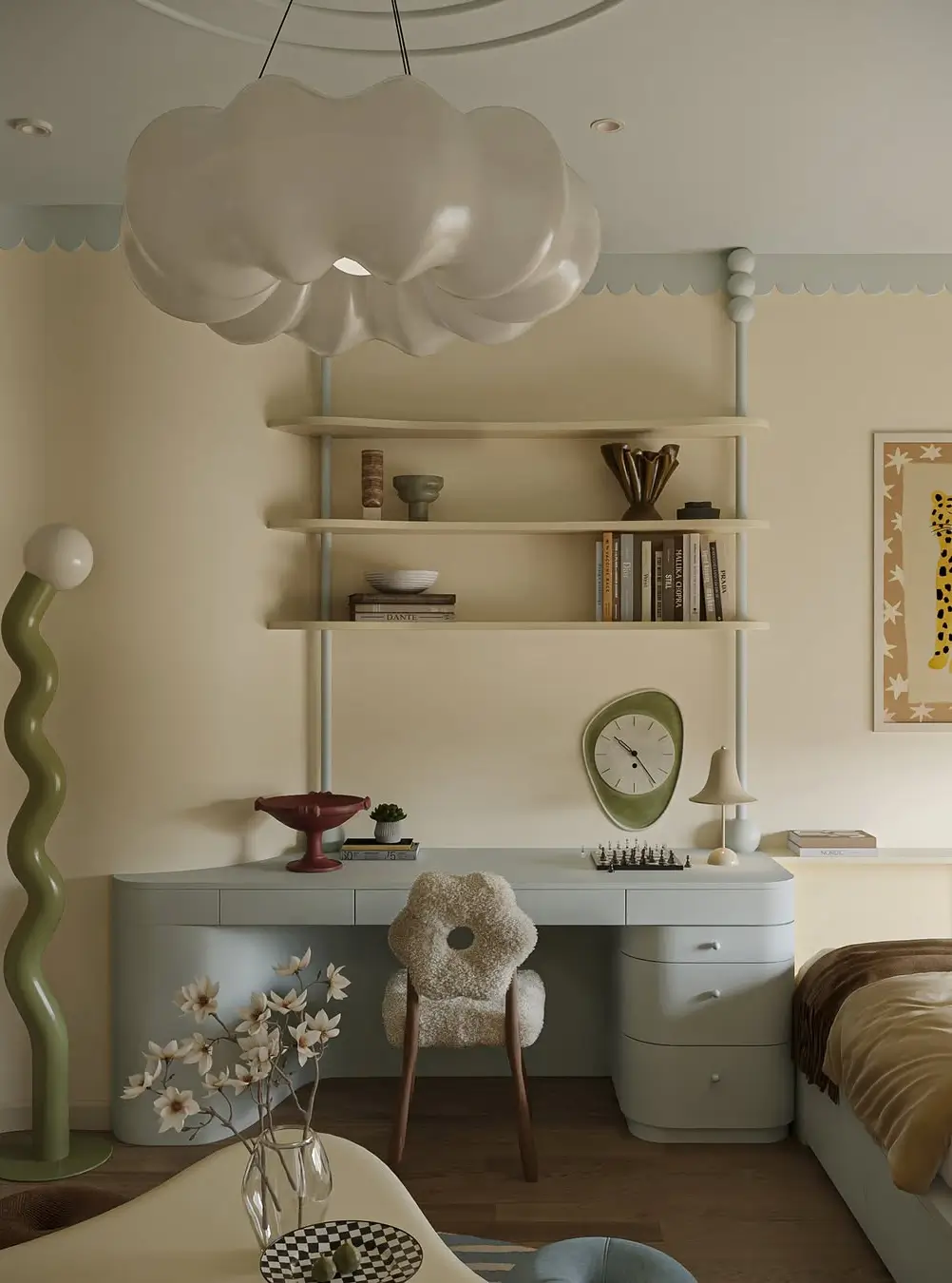
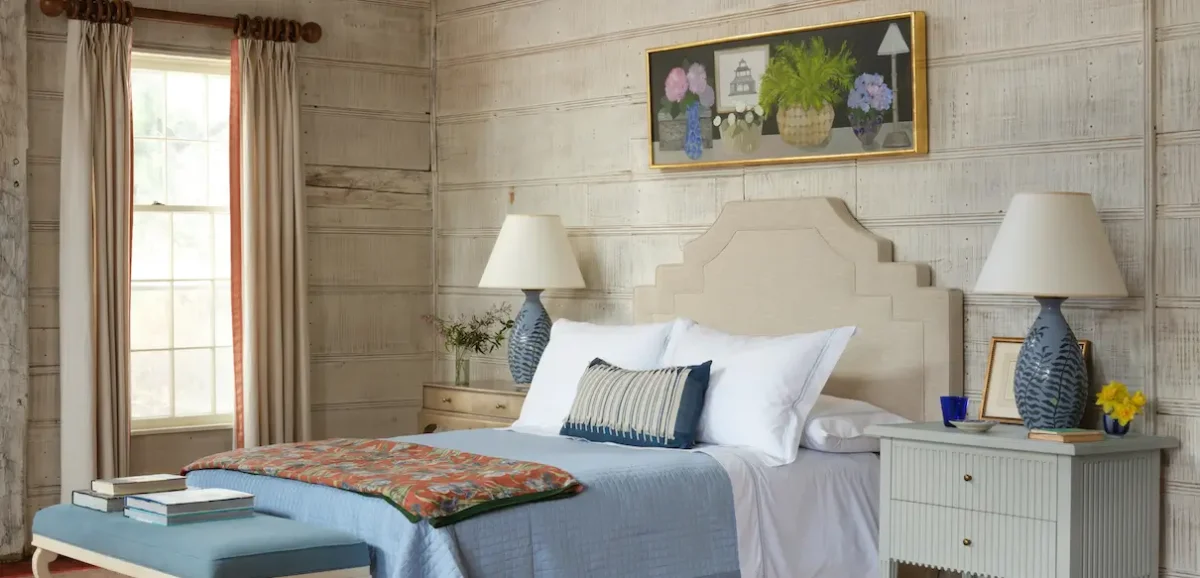
Image: Elemental Design
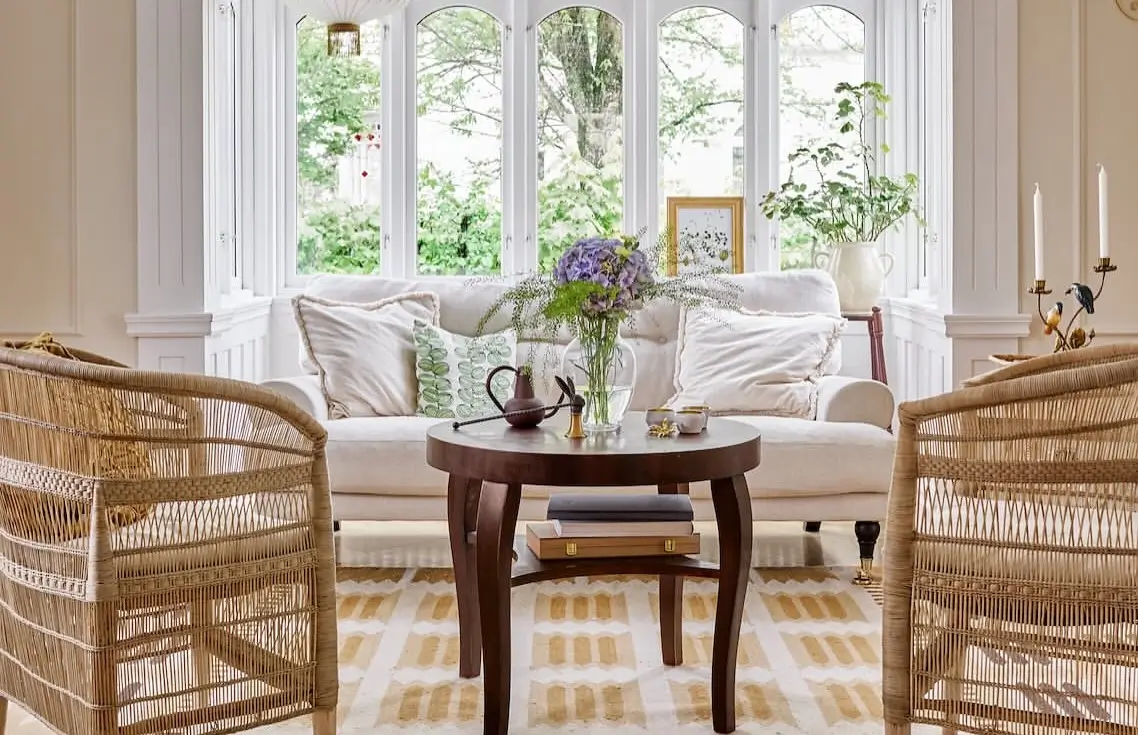
East-facing Spaces tend to feel fresh, optimistic, and quietly energizing — especially in the morning, when soft sunlight fills the space early in the day.
In Feng Shui, East is connected to the Wood element and symbolizes growth, vitality, and renewal.
What it enhances
Health, family connections, emotional balance, fresh starts
How to enhance it
- Bring in natural wood, linen, rattan, and organic textures
- Add healthy plants and greenery
- Use soft greens, warm neutrals, and muted blues
- Let in as much natural light as possible
- Display meaningful family photos or sentimental objects
What to avoid
- Heavy metallic décor — Metal cuts Wood.
- Dark, overly moody color palettes
- Excess clutter or neglected corners
- Too many harsh reds — Fire consumes Wood.
Personal note
If I had to choose just one orientation, it would probably be East. Health and family mean everything to me. Because when those things are strong, everything else feels easier. And family doesn’t only mean blood — sometimes it’s simply the people we build our lives around.
South-Facing Spaces: Confidence, Visibility & Recognition
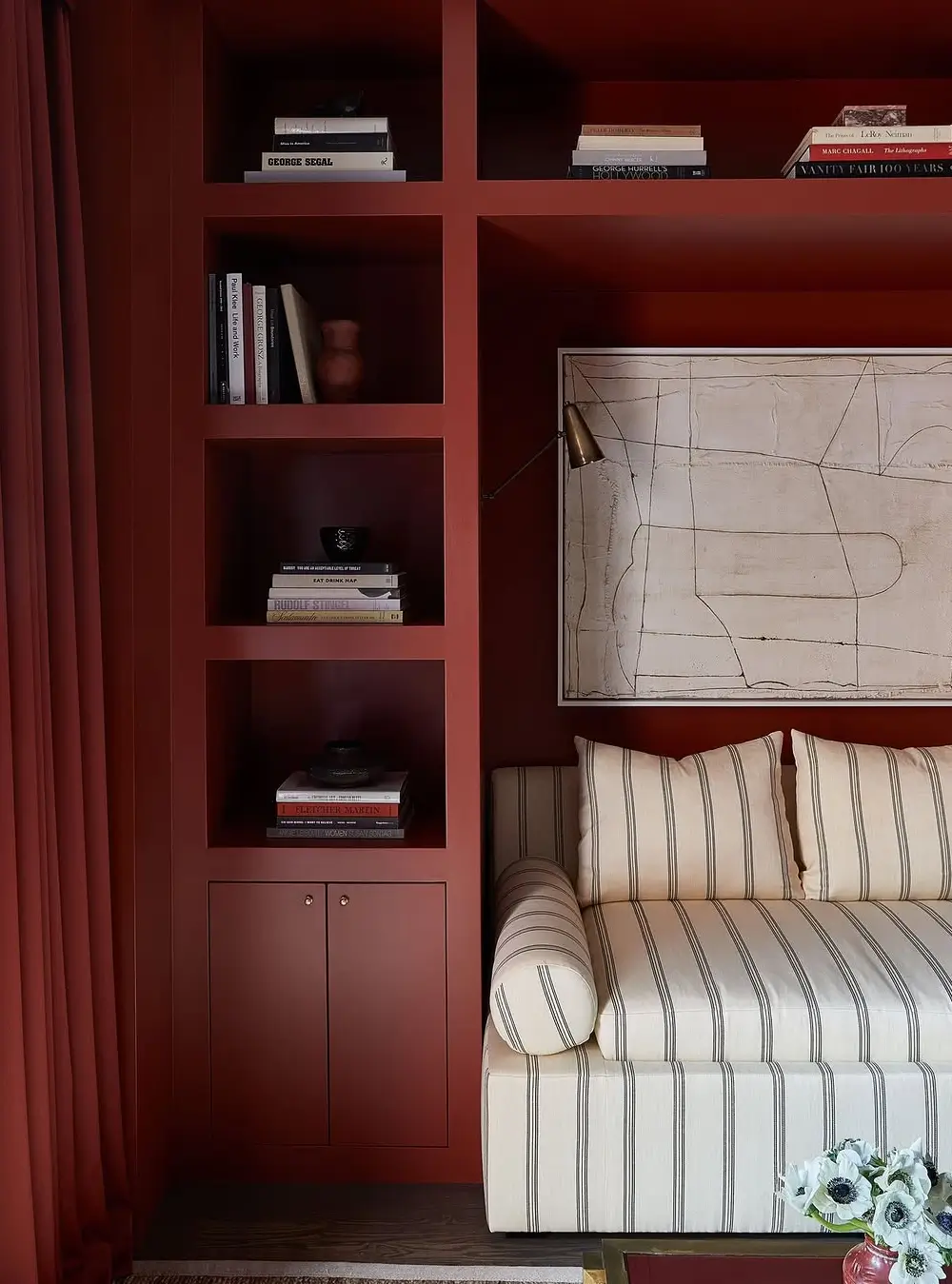
Image: Wendy Labrum Interiors
South-facing spaces usually feel brighter, more social, and more expressive. These are the kinds of spaces that naturally attract attention and energy.
In Feng Shui, South is ruled by the Fire element — passionate, bold, and highly visible.
What it enhances
Confidence, reputation, creativity, leadership, recognition
How to enhance it
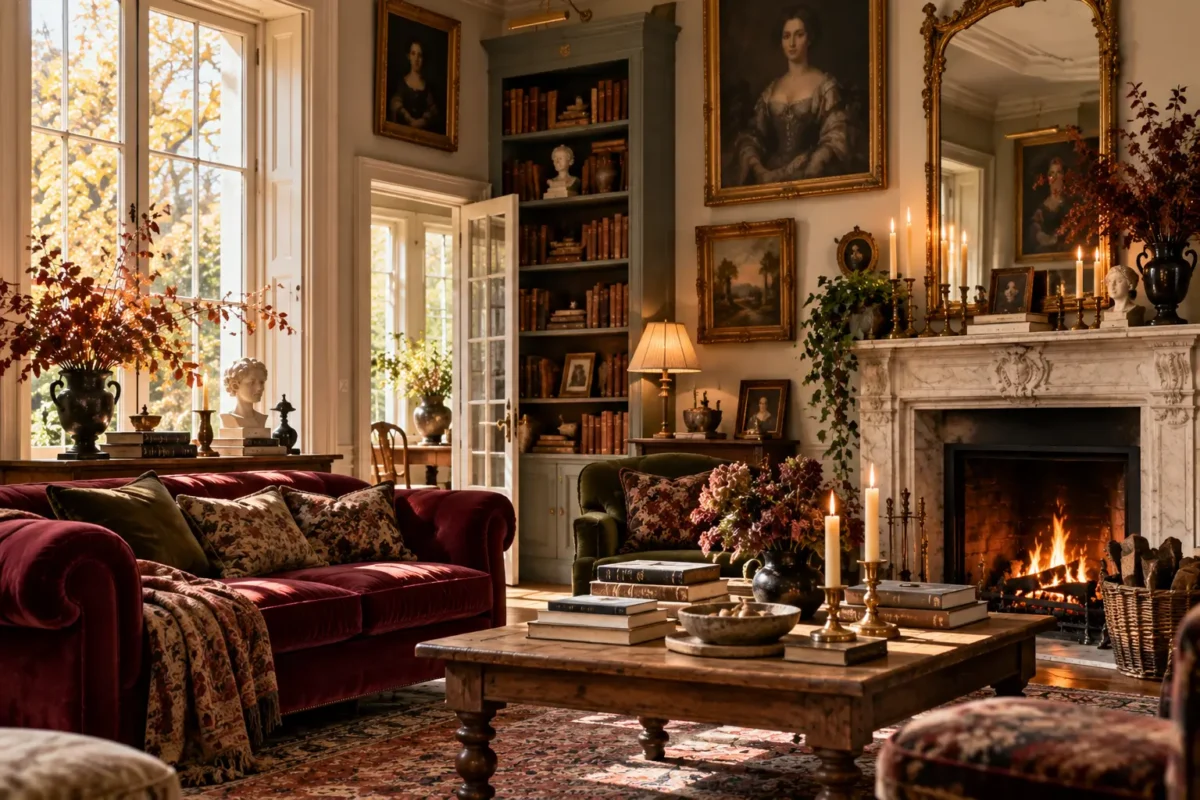
- Incorporate warm tones like terracotta, rust, coral, or deep red
- Use candles, layered lighting, and warm ambient lamps
- Display artwork, books, or pieces that reflect your personality
- Add triangular shapes or sculptural décor
What to avoid
- Too many cool blues or water imagery — Water extinguishes Fire.
- Harsh overhead lighting without warmth
- Overdoing fiery colors to the point the space feels intense or chaotic
- Dark rooms with little natural light
South-facing spaces want to feel alive — not aggressive, but vibrant.
West-Facing Spaces: Creativity, Pleasure & Self-Expression
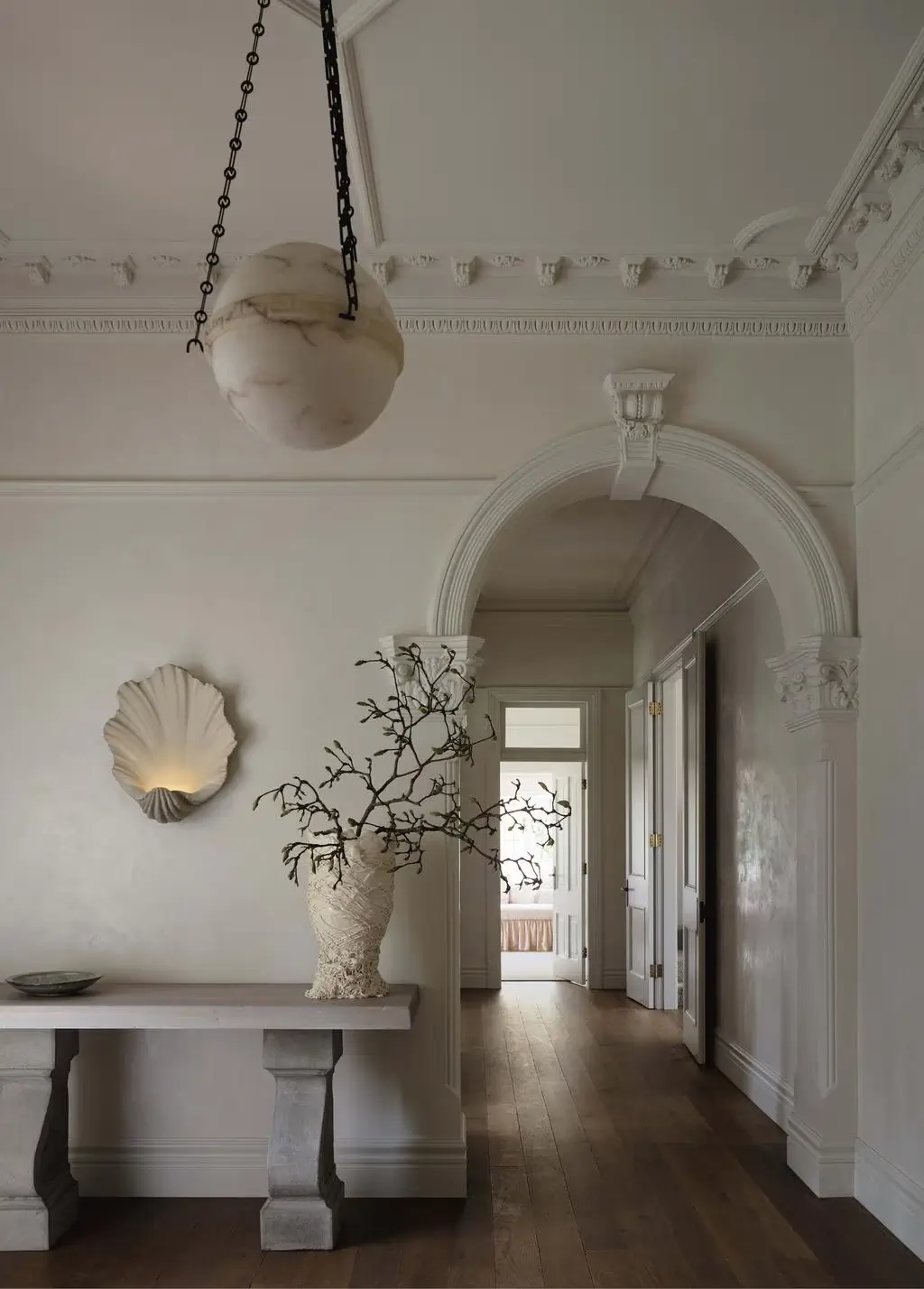
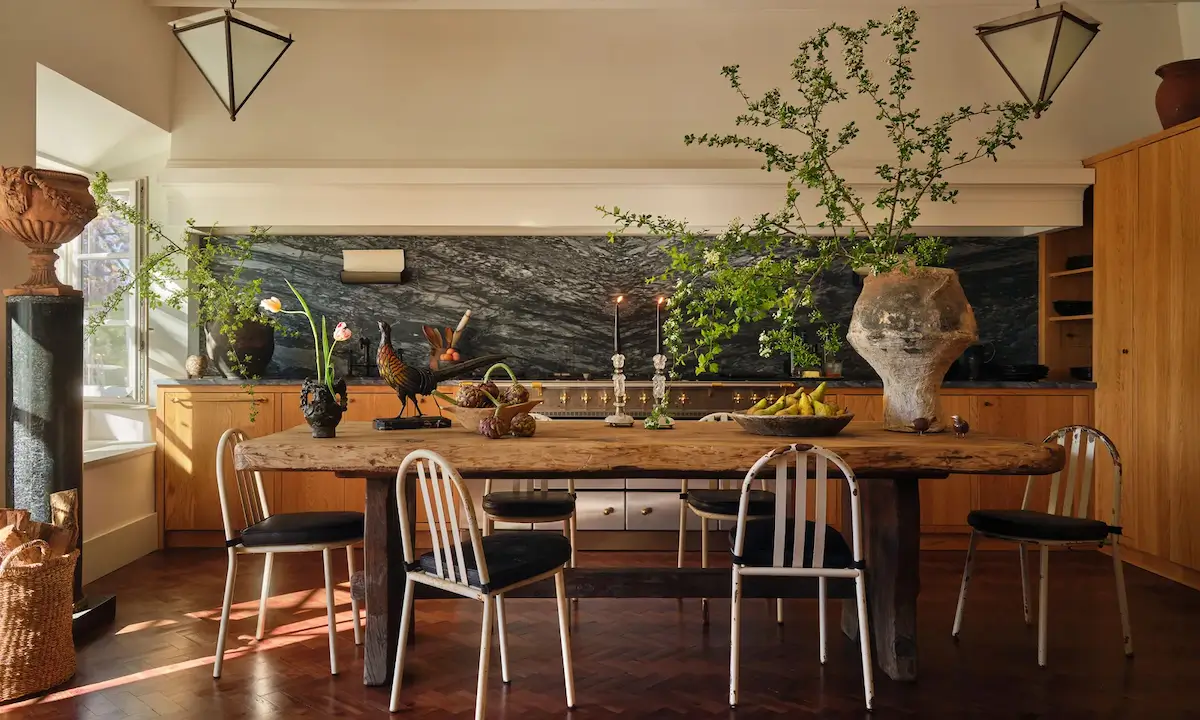
Image: Vogue Australia
Shop the room:
Handmade Candle holder, $278.60
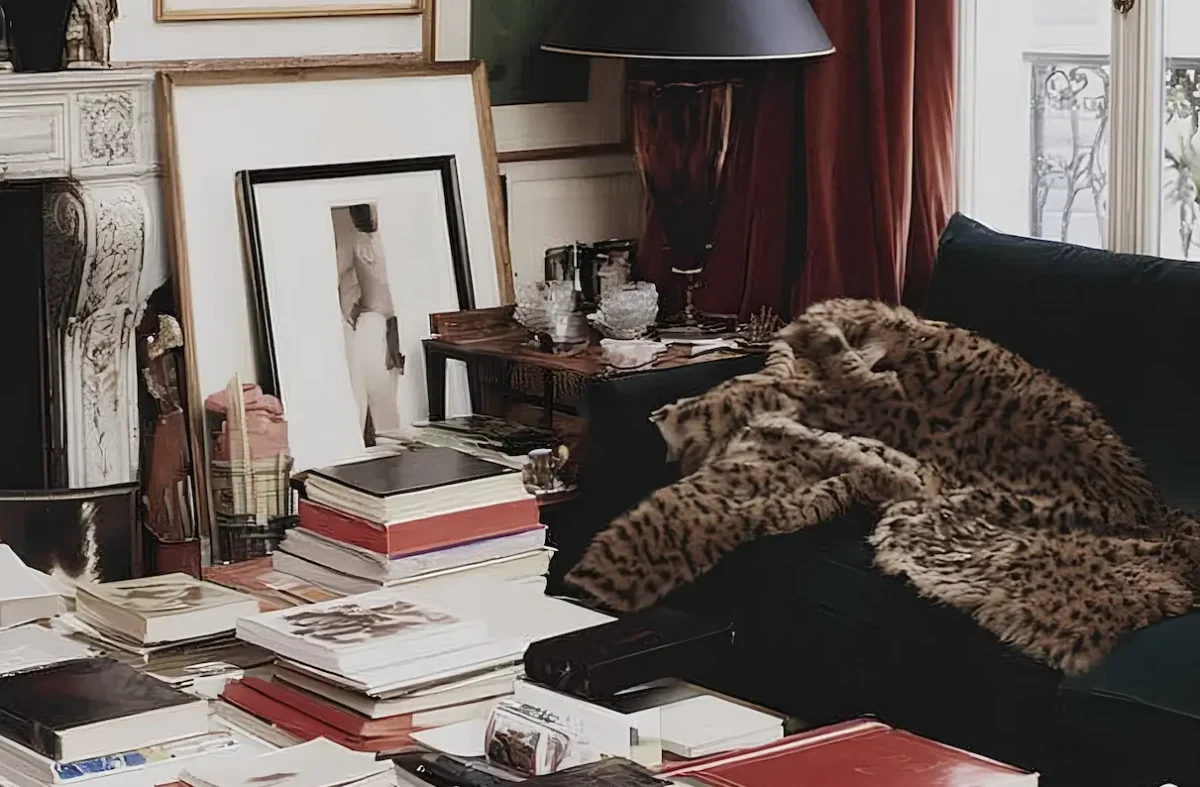
West-facing spaces often feel softer and more relaxed during the day, then warm and golden in the late afternoon. There’s usually something playful and comforting about them.
In Feng Shui, West is associated with the Metal element, but in a lighter, more creative way.
What it enhances
Creativity, joy, self-expression, hobbies, children, passion projects
How to enhance it
- Add metallic accents in subtle ways
- Use whites, soft greys, creams, or warm beige tones
- Display creative tools, books, ceramics, or art
- Keep the atmosphere open, relaxed, and inspiring
What to avoid
- Excessive fiery colors — Fire melts Metal.
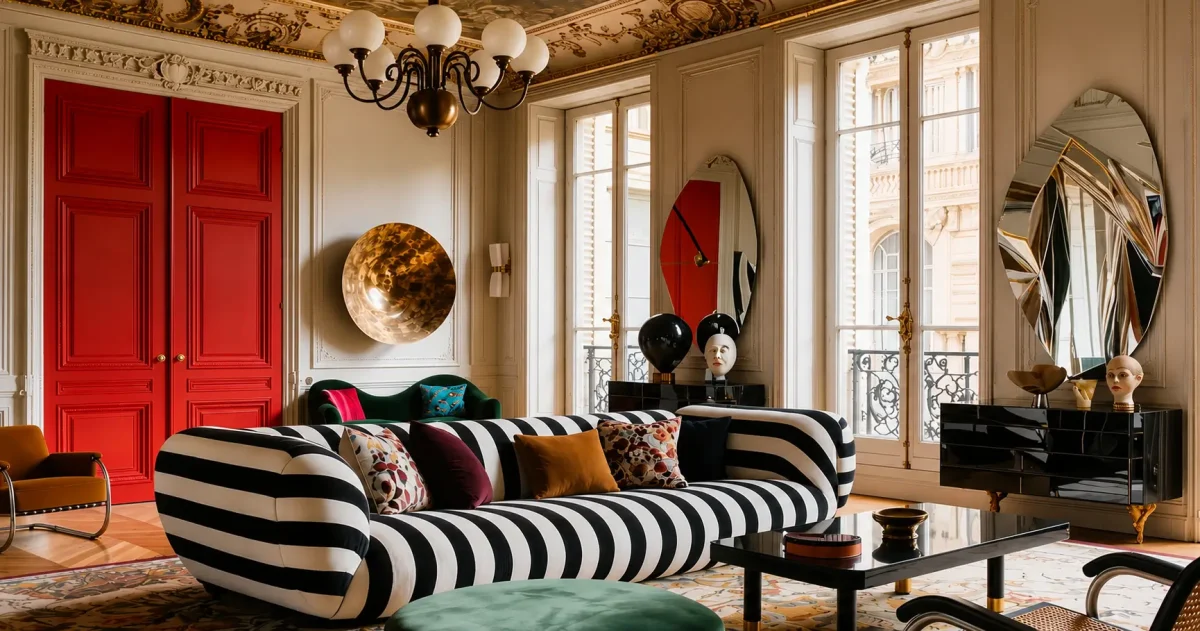
- Heavy, dark furniture that visually weighs the room down. In Feng Shui, soft silhouettes help energy move more naturally through a space, which is why many designers prefer curved furniture for better energy.
- Overly formal or “untouchable” interiors
- Spaces that feel too serious or rigid
West-facing spaces tend to thrive when they feel lived in and expressive rather than overly polished.
North-Facing Spaces: Career, Purpose & Life Path
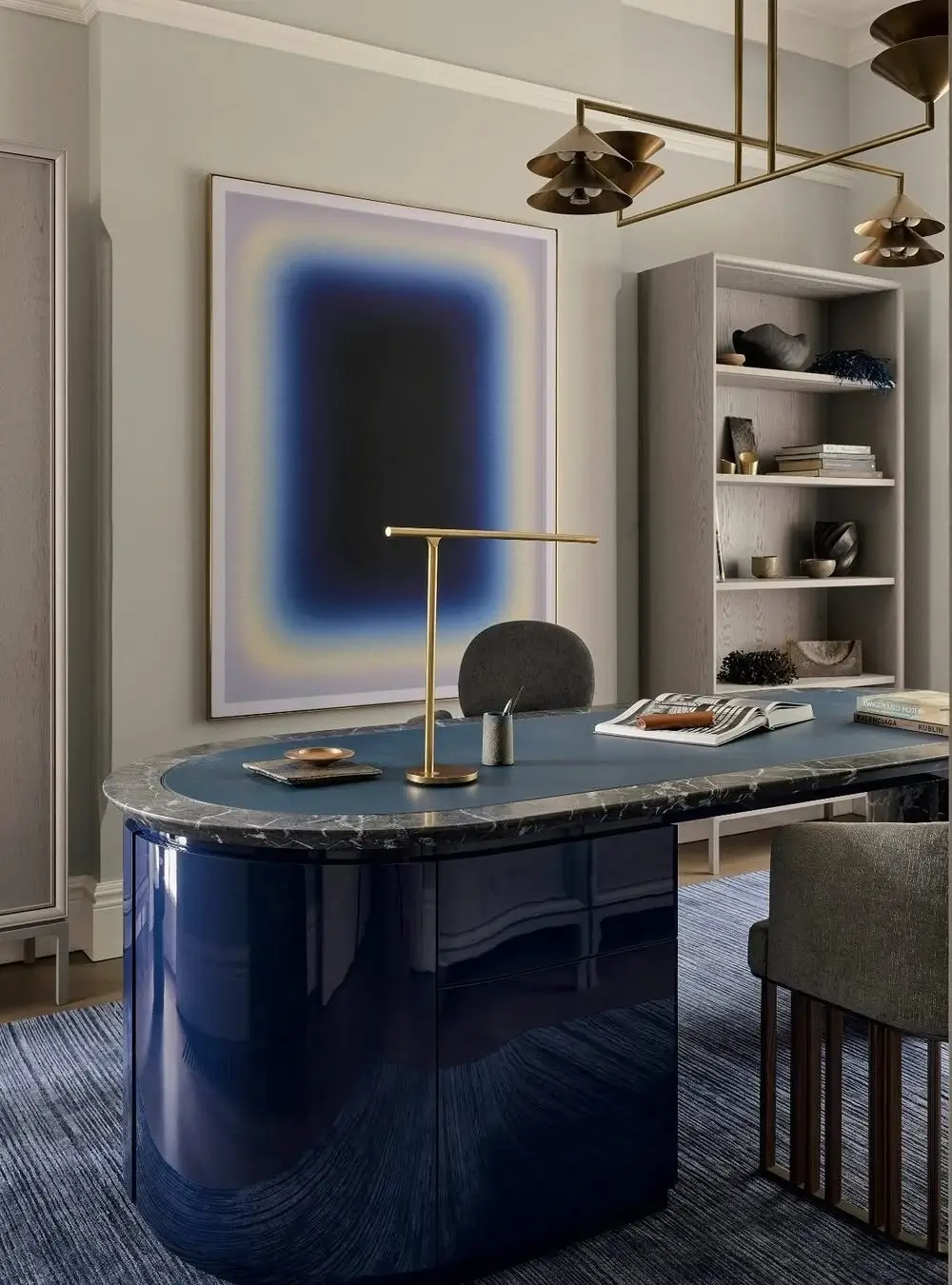
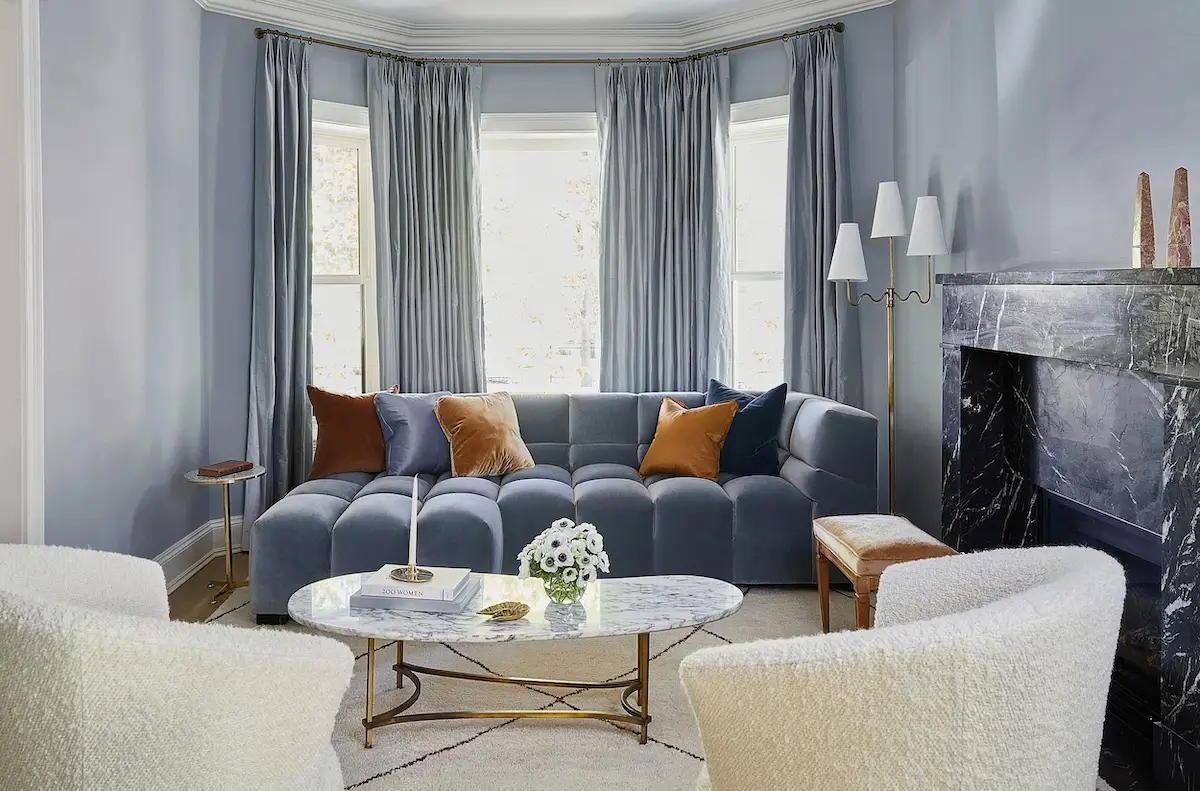
Image: Vogue Australia / Design by Mim Design / Photography by Anson Smart / Styling by Claire Delmar
North-facing spaces often feel quieter, moodier, and more introspective. They can be incredibly calming when designed well, but heavy when neglected.
In Feng Shui, North is connected to the Water element — deep, intuitive, reflective, and strategic.
What it enhances
Career flow, purpose, opportunities, intuition
How to enhance it
- Use charcoal, navy, deep blue, black, or smoky tones
- Add mirrors to reflect light and movement
- Keep layouts clean and visually uncluttered
- Focus on simplicity and flow
What to avoid
- Excessive reds and oranges — Fire dries Water.
- Blocked entryways or crowded hallways
- Chaotic layouts with too much visual noise
- Heavy spaces with poor lighting
North-facing spaces benefit enormously from clarity, softness, and thoughtful lighting.
Northwest-Facing Spaces: Helpful People, Travel & Opportunities
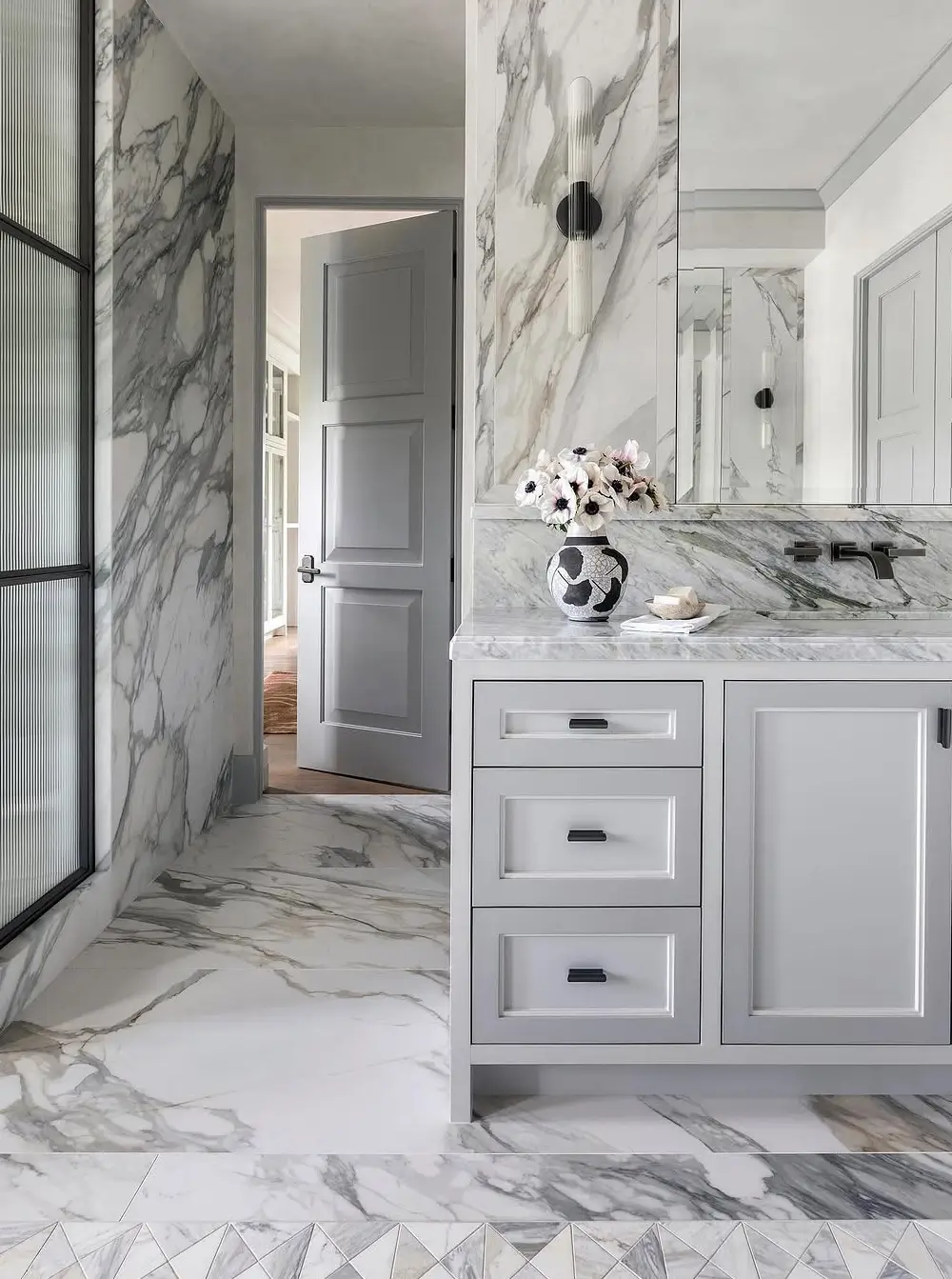
Design by Benjamin Johnston Design
Northwest-facing spaces often feel structured, mature, and quietly powerful. There’s usually a sense of movement and support around these spaces — like things naturally connecting or opening up.
In Feng Shui, Northwest is associated with the Metal element and is linked to mentors, helpful people, networking, and travel.
What it enhances
Support systems, connections, travel, guidance, opportunities
How to enhance it
- Use whites, greys, stone tones, or metallic accents
- Keep the space organized and intentional
- Add round shapes, sculptural objects, or textured metals
- Display meaningful travel pieces or objects connected to personal growth
What to avoid
- Excessive fiery colors — Fire melts Metal.
- Cluttered entryways or chaotic layouts
- Too many heavy dark tones
- Spaces that feel emotionally cold or impersonal
Northwest-facing spaces feel best when they balance structure with warmth.
Southeast-Facing Spaces: Wealth & Abundance
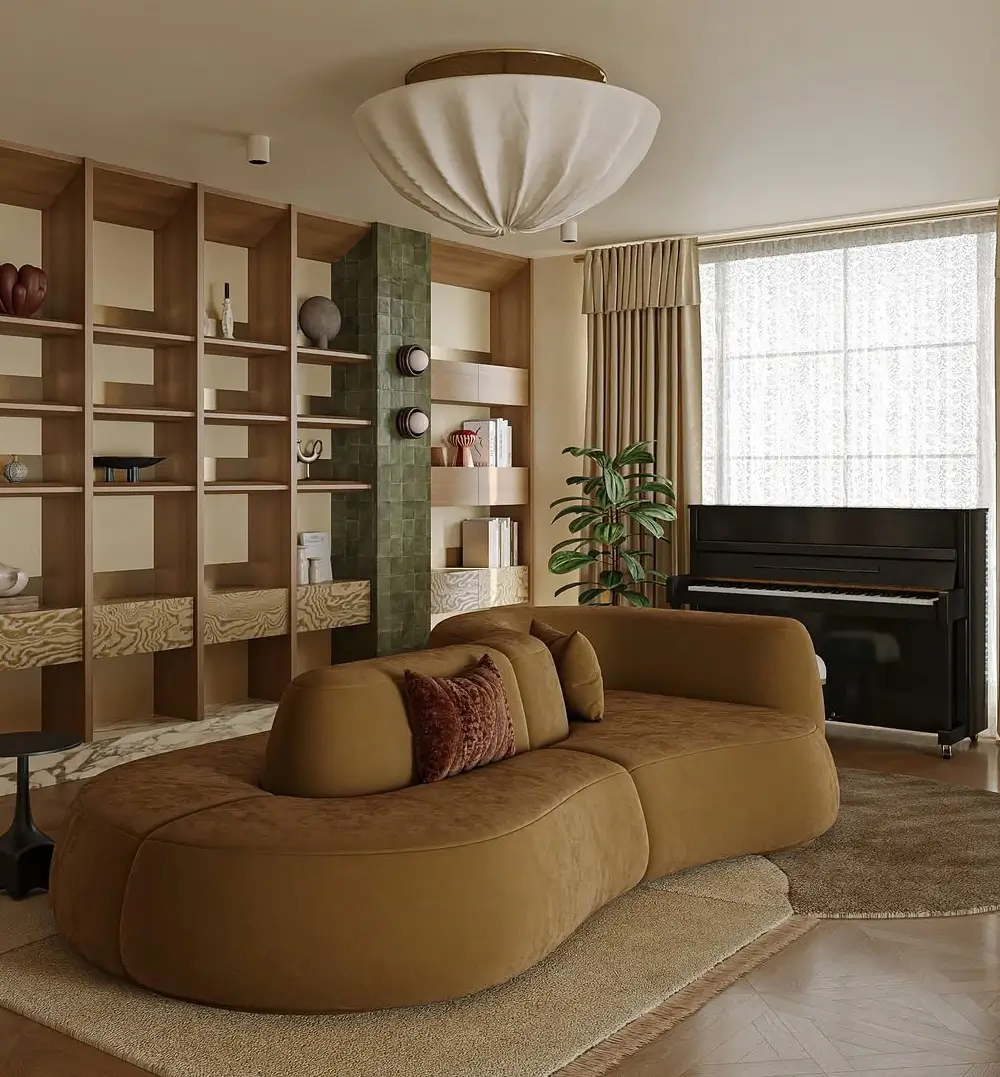
Image: Elemental Design
Southeast-facing spaces are strongly connected to growth, expansion, and abundance in Feng Shui. The energy here is nurturing, steady, and deeply tied to self-worth.
This orientation blends Wood and Water energy, which is why it often responds beautifully to care and consistency.
What it enhances
Financial growth, prosperity, confidence, abundance
How to enhance it
- Add healthy plants and living greenery
- Incorporate natural materials like wood, stone, or linen
- Use touches of green, soft earth tones, or muted gold
- Keep the space intentional and well cared for
What to avoid
- Broken décor or neglected areas
- Storage overflow and forgotten clutter
- Harsh lighting that makes the space feel stressful
- Too much metal — Metal cuts Wood.
In Feng Shui, abundance isn’t just about money — it’s also about feeling supported by your environment.
Southwest-Facing Spaces: Love, Stability & Relationships
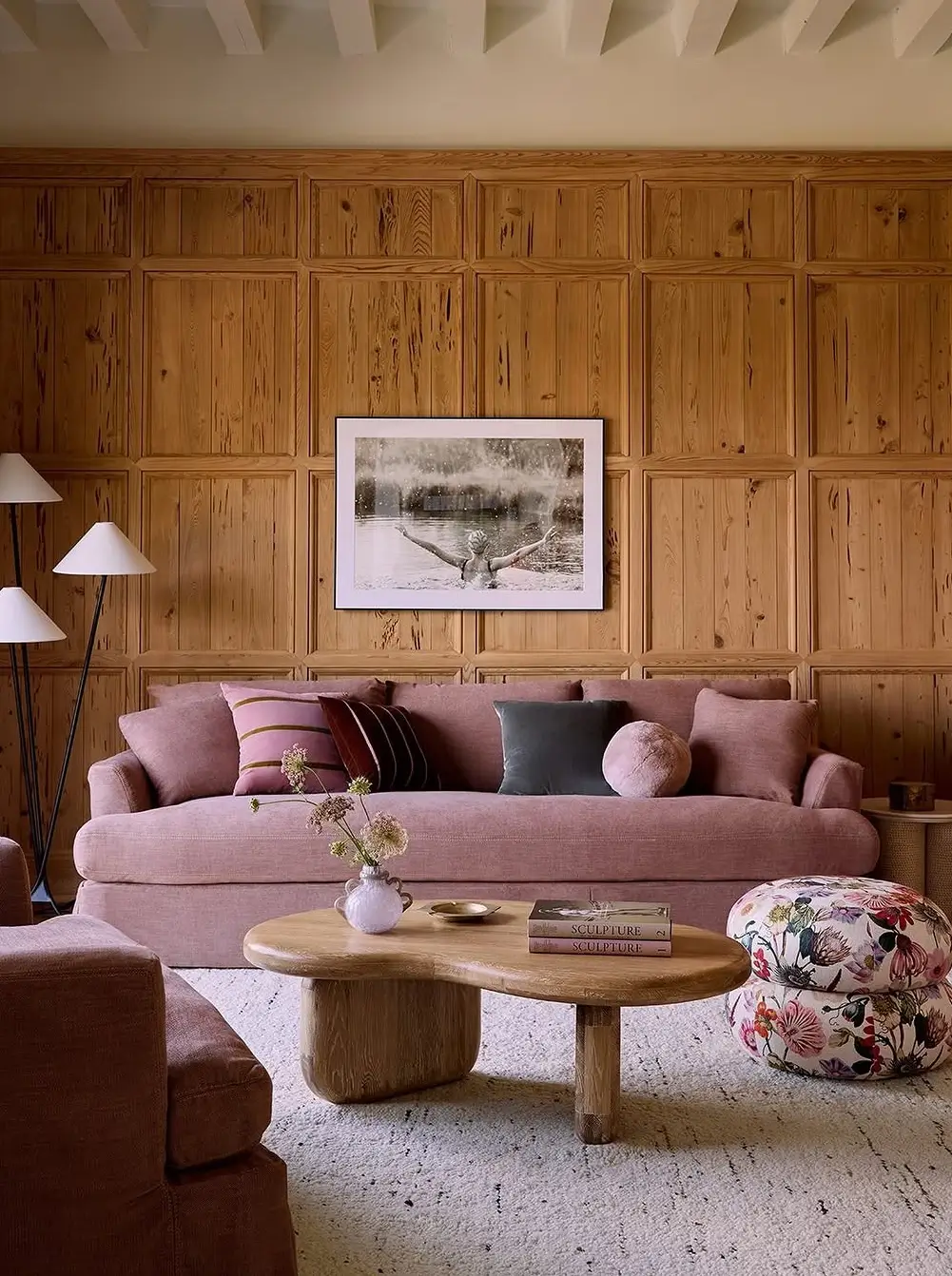
Southwest-facing spaces tend to feel grounding, warm, and emotionally comforting. These are often the spaces people naturally gather in.
In Feng Shui, Southwest energy is connected to relationships, partnership, and emotional stability.
What it enhances
Love, connection, trust, emotional grounding
How to enhance it
- Use warm neutrals, clay tones, dusty pinks, or earthy colors
- Add pairs of objects for balance and symbolism
- Incorporate soft textures and layered materials
- Create cozy, inviting seating areas
What to avoid
- Cold, sterile interiors
- Too much metal — Metal weakens Earth.
- Emotional clutter or neglected shared spaces
- Harsh lighting
Southwest-facing spaces feel best when they feel nurturing and deeply lived in.
Northeast-Facing Spaces: Wisdom, Reflection & Spiritual Growth
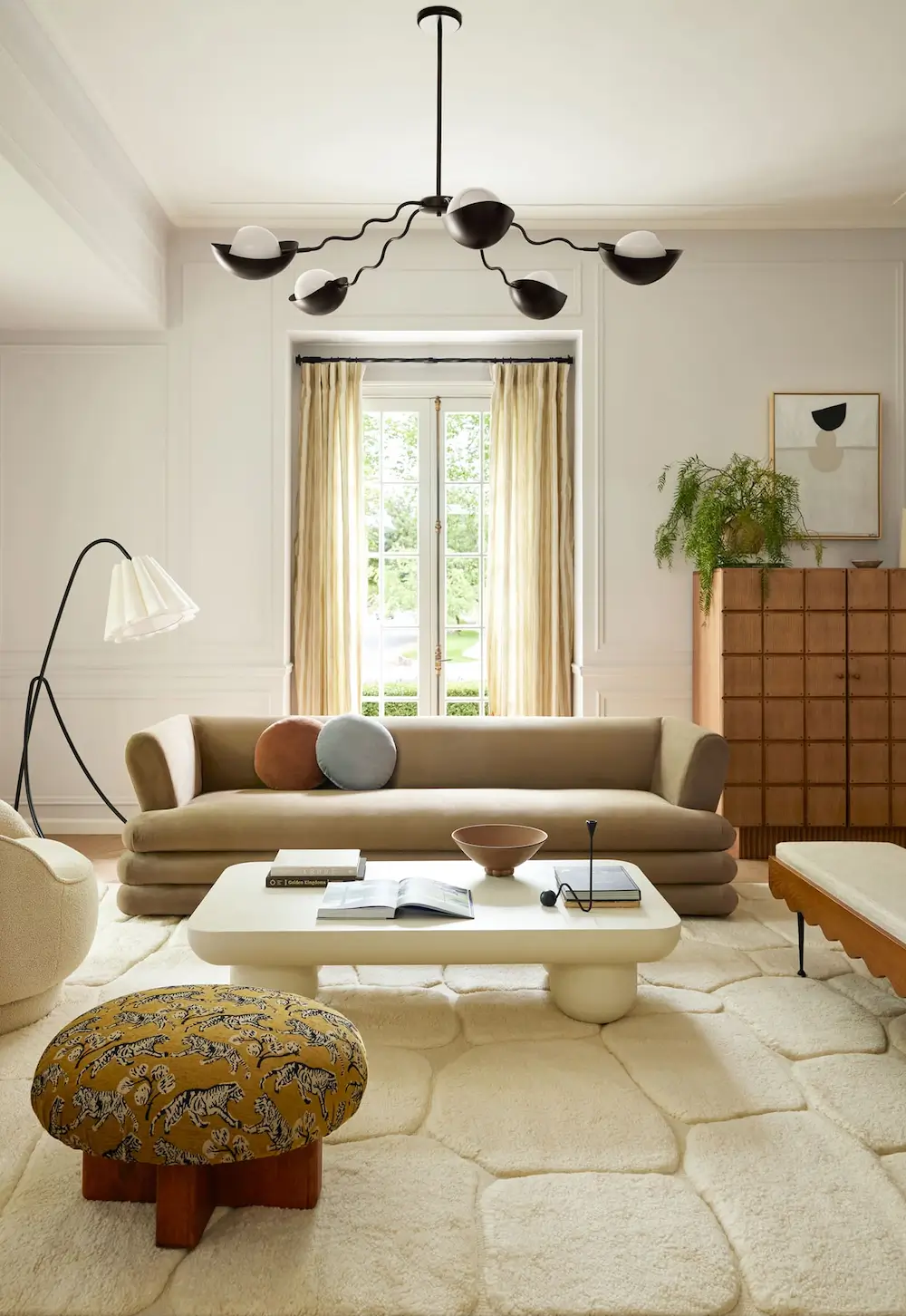
Northeast-facing spaces often feel quiet, introspective, and deeply calming. These are the kinds of spaces that naturally invite slowing down, thinking clearly, and reconnecting with yourself.
In Feng Shui, Northeast is connected to the Earth element and is associated with wisdom, learning, spirituality, and self-development.
What it enhances
Focus, reflection, study, inner growth, mindfulness
How to enhance it
- Use warm earth tones, soft beige, sand, clay, or stone colors
- Incorporate natural materials like linen, ceramics, wood, or textured plaster
- Create quiet corners for reading, journaling, or meditation
- Keep the atmosphere calm, grounded, and uncluttered
What to avoid
- Too much greenery — Wood weakens Earth.
- Overly stimulating décor or chaotic layouts
- Excessive mirrors or visual noise
- Harsh lighting that feels mentally draining
Northeast-facing spaces tend to feel best when they support stillness, clarity, and a sense of grounding.
The Center of the Home: Balance, Stability & Overall Energy
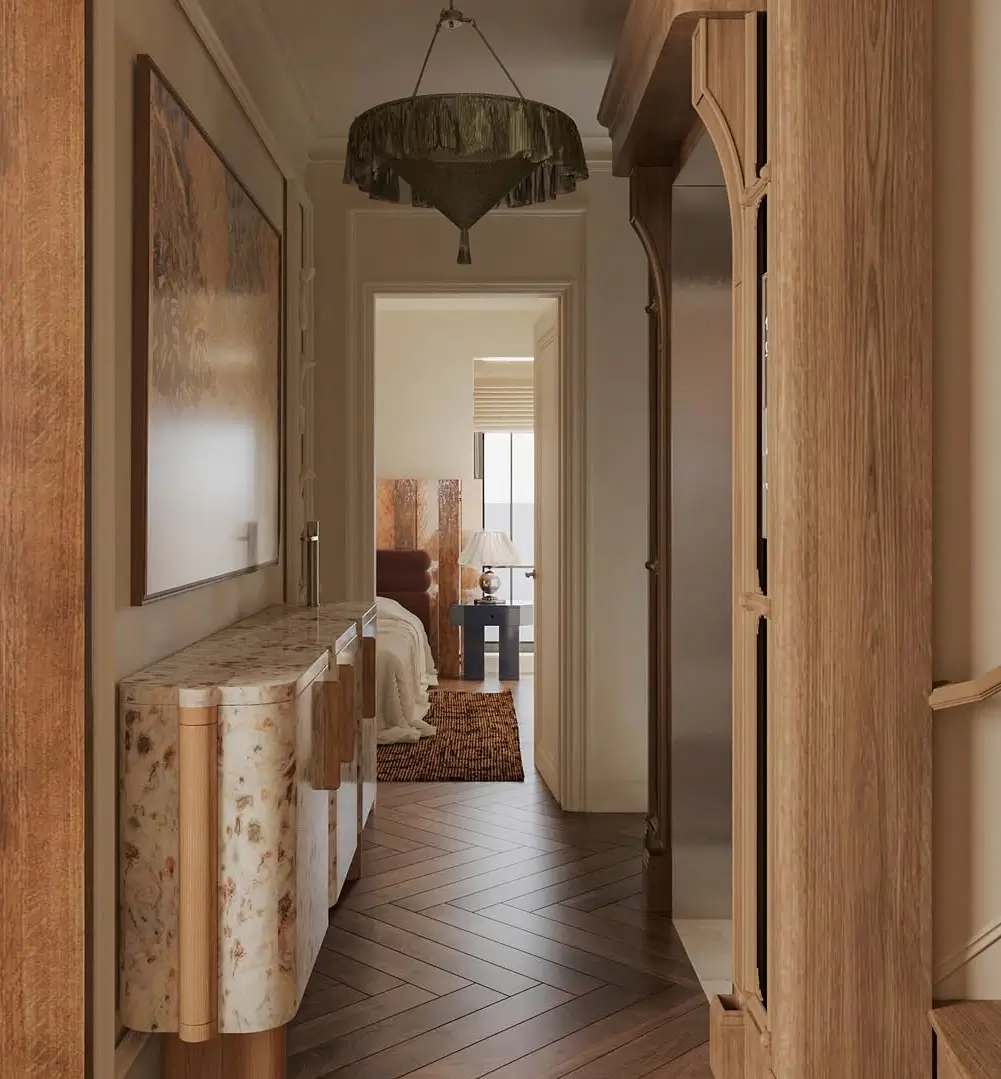
Image: Elemental Design
Unlike the other areas, the center of the home isn’t connected to a direction. It refers to the physical heart of the house — the space that energetically connects everything around it.
Practically speaking, if you imagine your floor plan as a square or rectangle, the center is roughly the middle point of the home.
In Feng Shui, this area is considered the foundation of the entire space. When the center feels calm, open, and grounded, the whole home tends to feel more harmonious.
What it enhances
Balance, stability, wellbeing, emotional grounding
How to enhance it
- Keep the area open and easy to move through
- Use warm neutrals, earthy textures, and natural materials
- Incorporate soft lighting and balanced décor
- Focus on simplicity and visual calm
What to avoid
- Heavy clutter or blocked pathways
- Sharp furniture edges or visually chaotic arrangements
- Excessive dark colors that make the space feel heavy
- Too much wood energy — Wood disrupts Earth.
The center of the home doesn’t need to be perfect. It simply needs to feel supportive, calm, and connected to the rest of the space.
At the End of the Day…
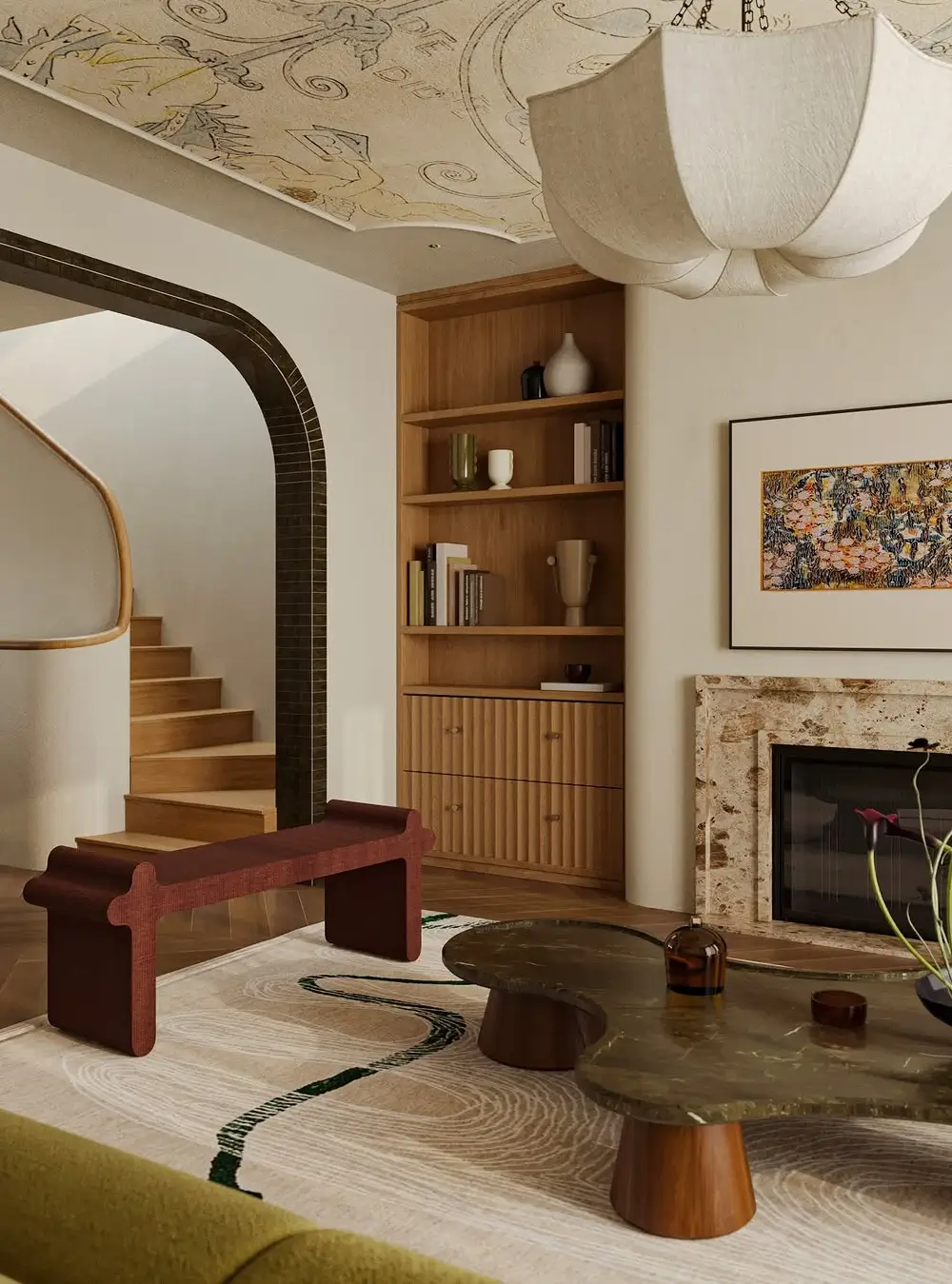
Image: Elemental Design
Good Feng Shui isn’t really about superstition. It’s about paying attention to how your home makes you feel.
The light. The atmosphere. The flow. The calm.
Sometimes the smallest changes — moving furniture, clearing clutter, adding warmth, letting in more natural light — completely shift the energy of a space.
And whether you fully believe in Feng Shui or simply love the idea of creating a home that supports your wellbeing, there’s something undeniably powerful about designing with intention.
Discover more from Decoholic
Subscribe to get the latest posts sent to your email.