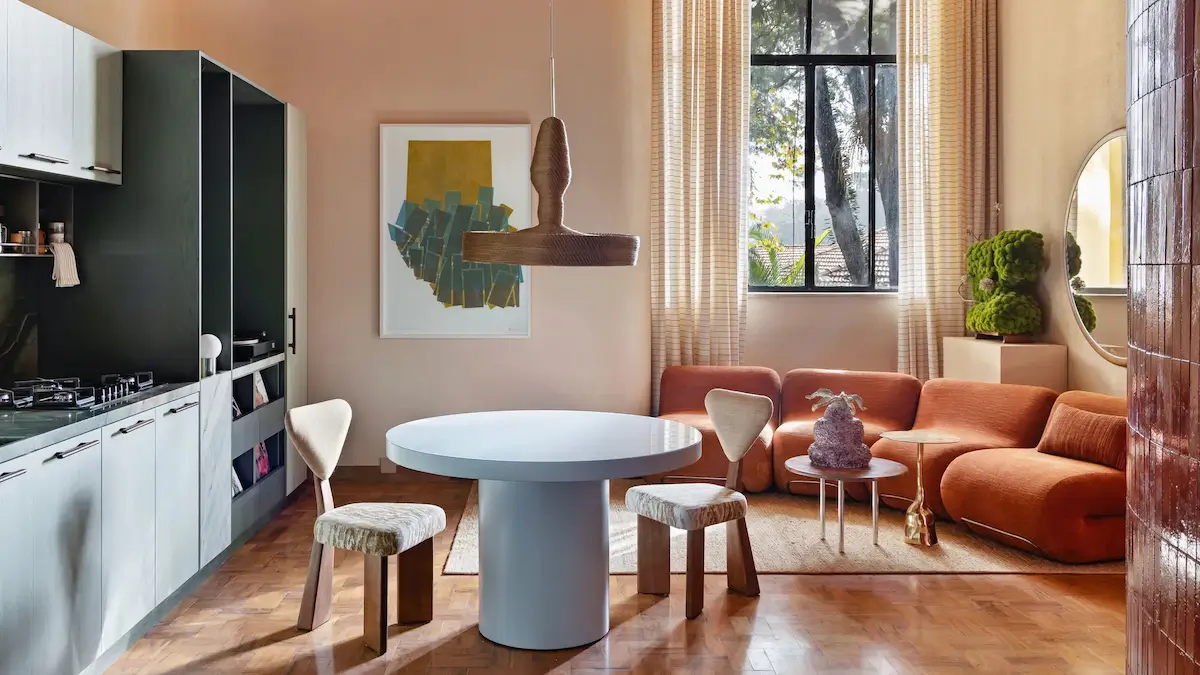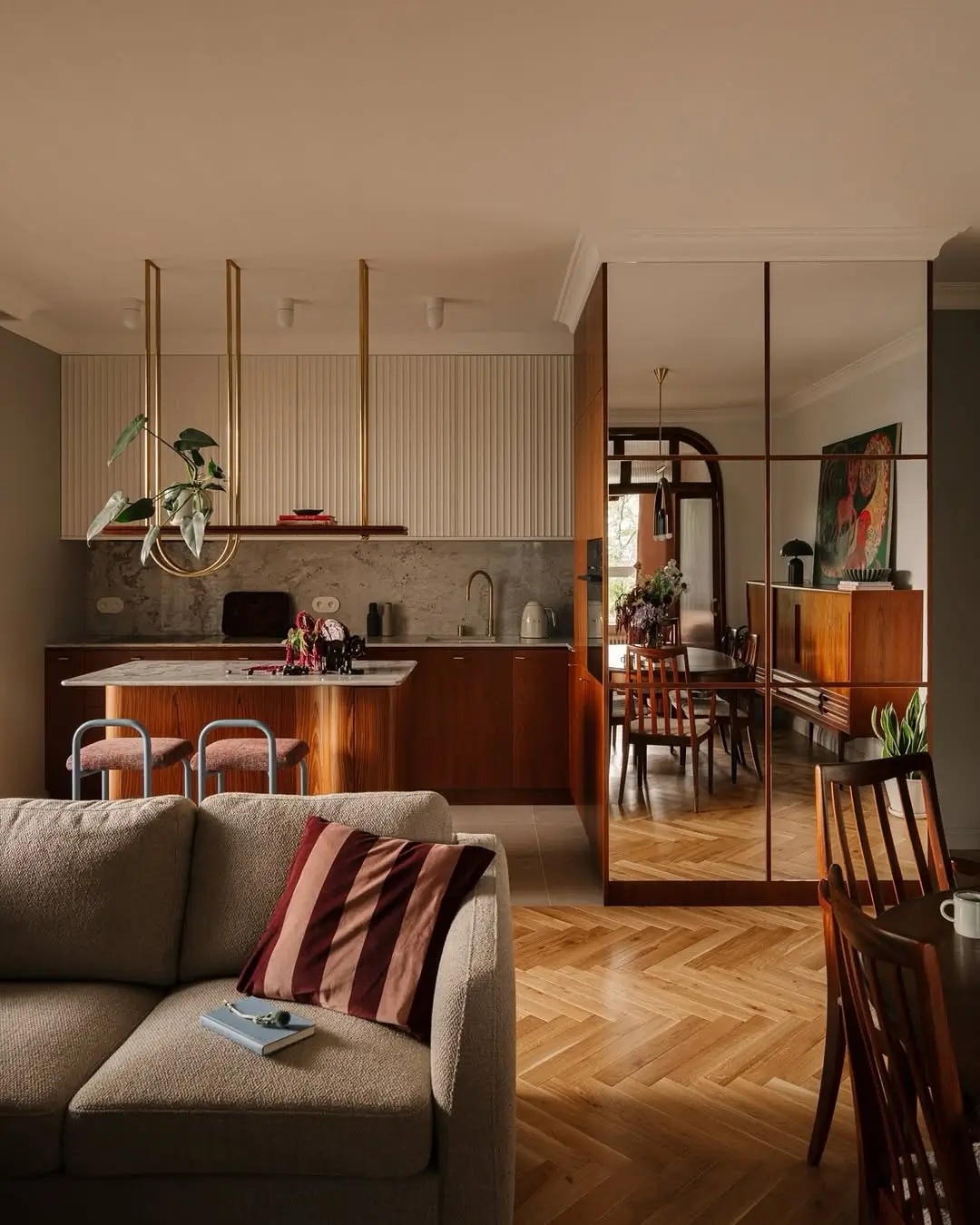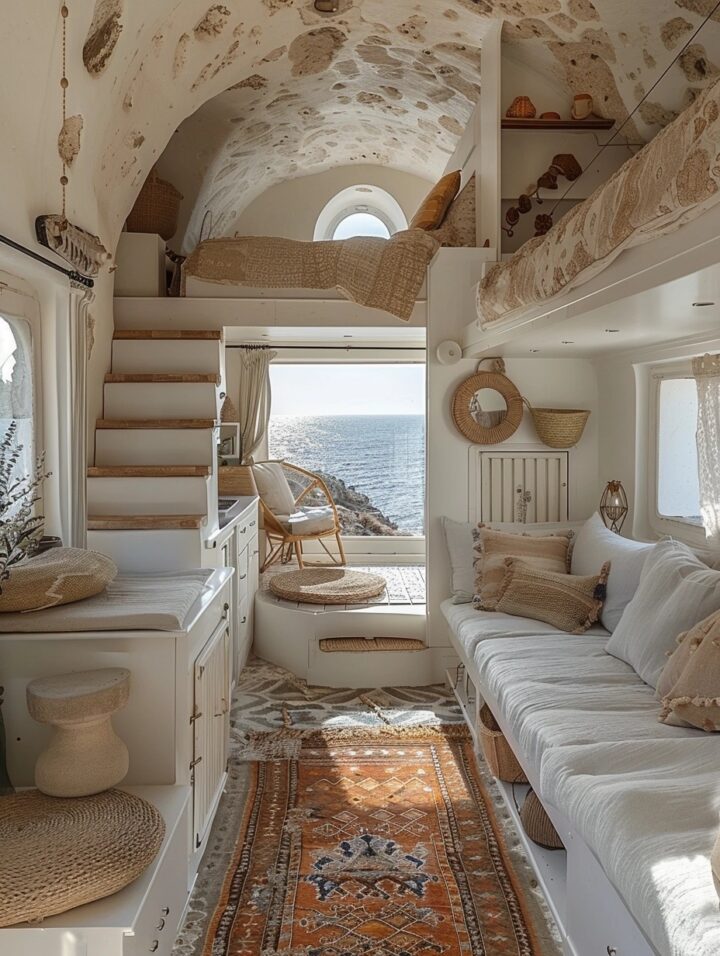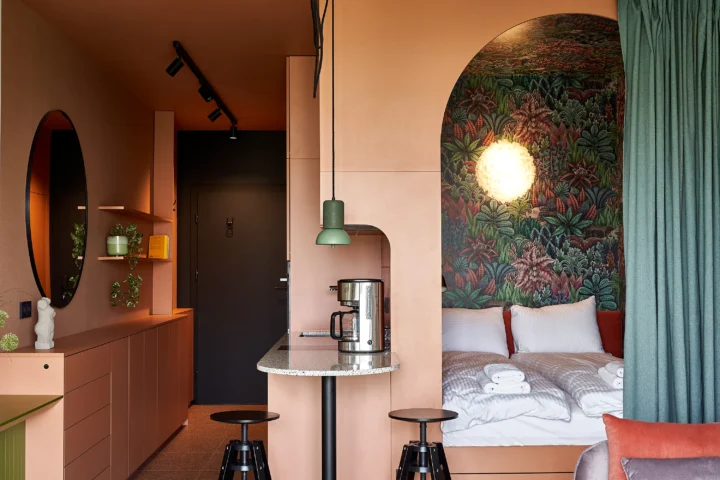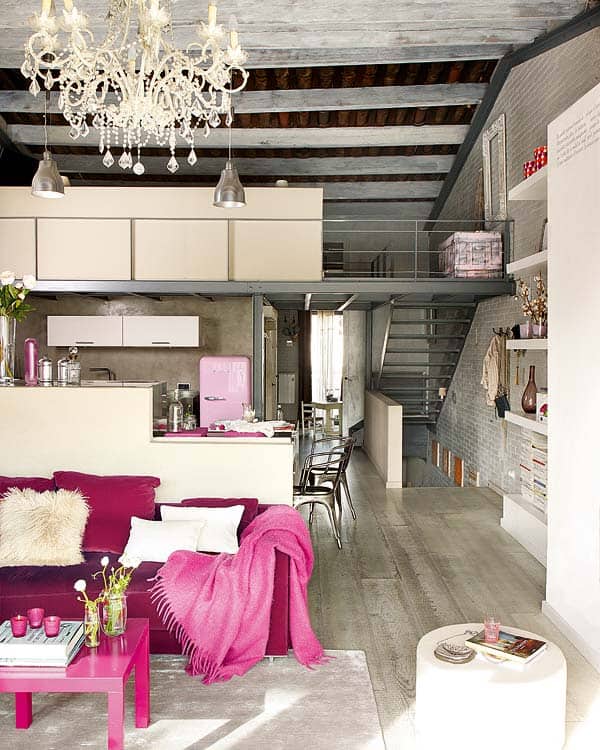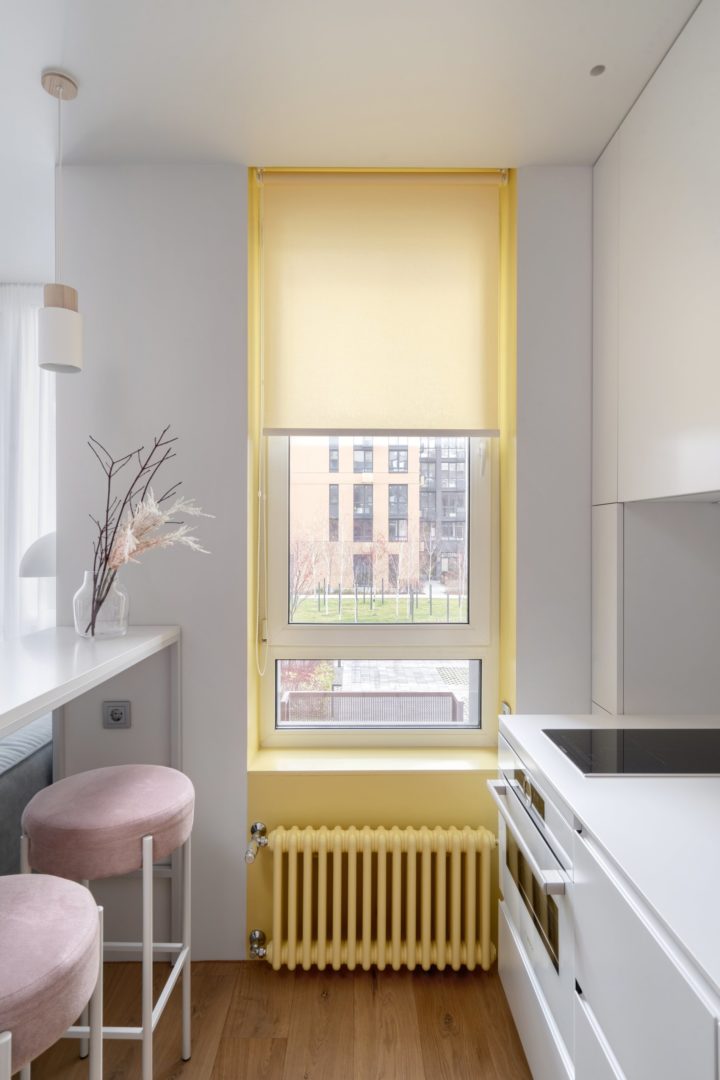

There’s a curious phenomenon in interior design: tiny apartments, snug studios, and compact homes often capture more imagination than sprawling estates or McMansions. It’s not about envy, it’s about fascination. Small spaces are magnetic. They invite creativity, personality, and—let’s be honest—a certain mischievous charm that massive homes rarely possess.
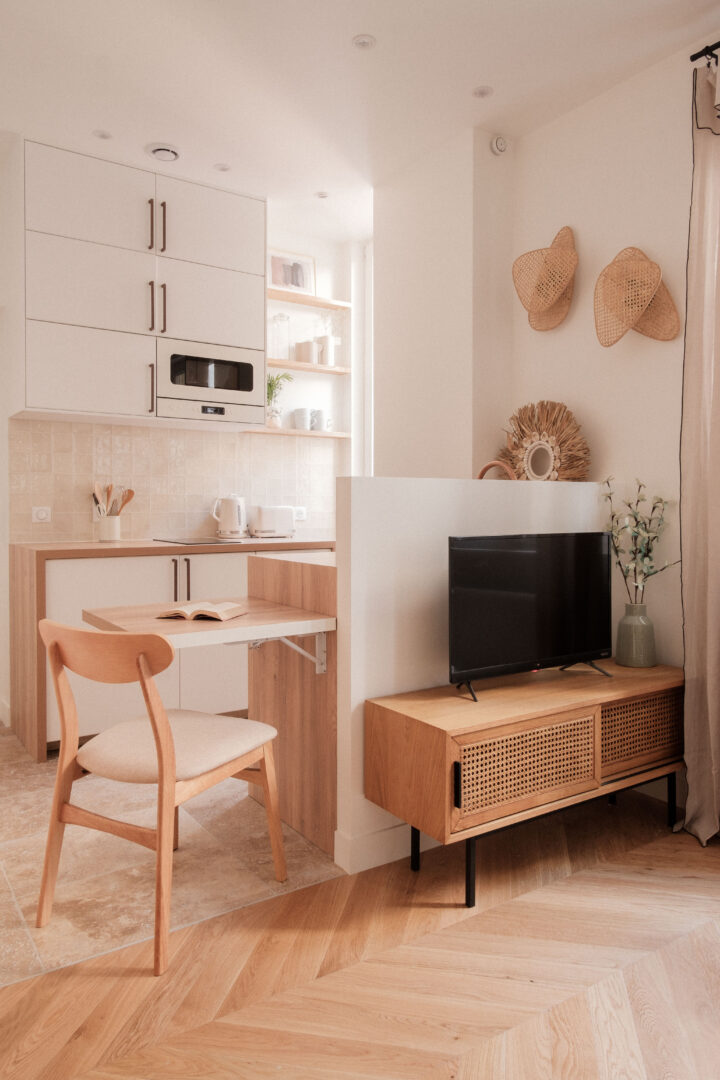
Image: entrance makleri
1. Constraints Breed Creativity


Images: BHDM
Big homes give the illusion of freedom. Small spaces actually force it. Every corner, wall, and shelf must serve a purpose. There’s no room for randomness.
- Clever storage solutions: Floating shelves, under-bed drawers, hidden cubbies.
- Multifunctional furniture: A coffee table doubles as storage; a couch doubles as a bed; a chair doubles as an exercise bench if you must.
- Intentional layout: Each piece earns its place. Nothing is left to chance.
Constraints push designers—and homeowners—to innovate. Small spaces turn “problem” into “opportunity.” Large homes? They rarely inspire risk or imagination because there’s simply too much room to play it safe.
2. Cozy Trumps Cavernous


Images: historiska hem
Small spaces feel like a warm hug. They foster connection, conversation, and occasional bumping into each other (which can be charming, not hazardous).
- Reading nooks: Tiny corners bathed in natural light.
- Kitchen intimacy: Compact kitchens that encourage shared cooking.
- Living spaces: No giant voids to echo loneliness.
Cozy isn’t just aesthetic—it’s emotional. Small homes invite life. Big homes? They can be beautiful but often feel like showrooms for furniture rather than spaces for people.
3. Personality Lives in the Nooks


Images: Alvhem
Small spaces encourage character. Every object, artwork, and design choice matters. A well-placed vase or a quirky lamp tells a story.
- Nooks and crannies: The tiny shelf that holds all your favorite books.
- Curated clutter: Odd trinkets that spark conversation.
- Unexpected art: A bold painting in a small hallway can transform the entire space.
McMansions, by contrast, often prioritize symmetry and perfection over personality. They impress the eyes but rarely capture the imagination.
4. Efficiency Is Clever

Image: Lawahl
Smaller homes demand efficiency—not just in furniture, but in lifestyle.
- Minimalist living: Less space, less clutter, more intention.
- Energy efficiency: Smaller footprints mean lower bills and less wasted space.
- Functional furniture: Every piece has to pull double—or triple—duty.
The clever use of space is inherently satisfying. There’s joy in figuring out how a 200-square-foot apartment can house your life without feeling cramped. Large homes rarely require such ingenuity, which is why they sometimes feel empty and uninspired.
5. Humor Hides in the Details


Images: kilo honc
Small spaces are funny. They demand humility. They turn mundane challenges into daily comedy.
- The chair conundrum: Guests balance on a fold-out chair that wobbles slightly—excitement!
- The cereal spill adventure: Every spill is a tactical challenge.
- The closet Tetris: Shoe organization becomes a puzzle worthy of its own reality show.


Images: HOUSE & GARDEN
Life in a small space comes with unavoidable hilarity. It’s part of the charm.
6. Instagram Gold


Images: LEVA&BO
Small spaces photograph beautifully. Every corner is a vignette. Every shelf is a story.
- Tiny kitchen: Perfect lighting makes it look like a Pinterest shoot.
- Compact living room: Cozy textures, layered rugs, and thoughtful decor photograph naturally.
- Odd nooks: Small corners can become unexpected focal points.
Massive homes rarely capture this magic—they’re too big, too intimidating, too echo-y. Small spaces inspire delight in both real life and on-screen.
7. McMansions Are Overrated
Let’s be honest: McMansions are the reality TV of interior design. Loud, oversized, trying too hard.
- They impress with size, not creativity.
- They prioritize perfection over charm.
- They rarely invite personal expression or innovative solutions.

Small spaces, by contrast, reward ingenuity and personality. They tell stories, challenge expectations, and prove that design is about thoughtfulness, not square footage.
8. Actionable Small-Space Design Hacks


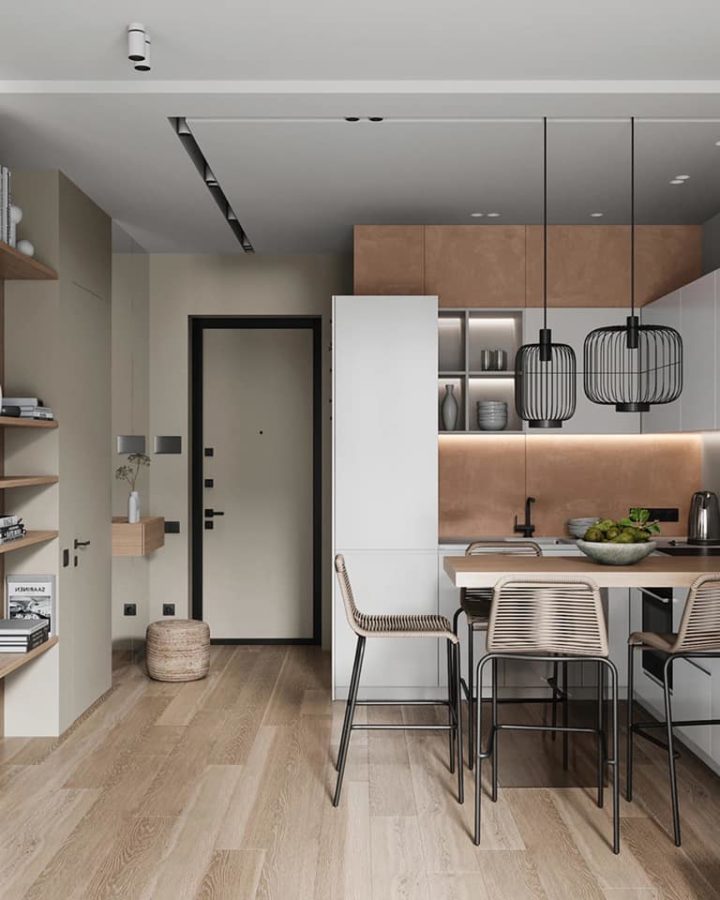
Images: entrance makleri
Want to make a small space truly shine? Here are some practical tips:
- Go Vertical: Shelves, hooks, and hanging storage free up floor space.
- Multifunctional Furniture: Think beds with drawers, ottomans with storage, and extendable tables.
- Light Colors + Mirrors: Reflective surfaces and soft tones make small spaces feel open.
- Layered Textures: Rugs, throws, and cushions add depth without crowding.
- Defined Zones: Even a studio can feel organized with clearly defined work, sleep, and relaxation areas.
- Odd Corners as Features: Turn a tiny nook into a reading space or a plant display.
- Minimal but Meaningful Decor: Each piece should earn its place, adding personality without clutter.
House With a Perfect Layered Lived-in Look
9. Why Small Spaces Win


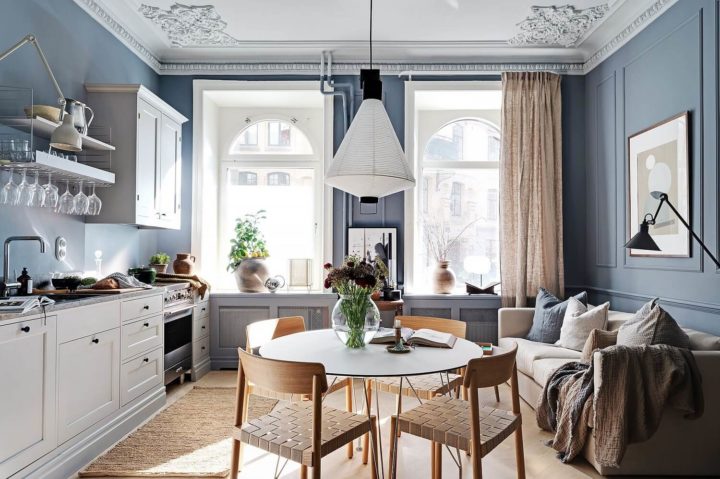
Images: Stadshem
- They invite creativity.
- They foster connection and warmth.
- They reward clever problem-solving.
- They’re full of humor, charm, and personality.
Big houses can impress the eyes. McMansions can awe with marble and chandeliers. But small spaces? They spark curiosity, creativity, and delight. They make life interesting, intentional, and—most importantly—fun.
Conclusion

Image: Stadshem
Square footage is irrelevant. Personality, creativity, and charm are what make a home interesting. Small spaces excel in all three, transforming limitations into opportunities. Large homes may impress, but small spaces captivate. Every nook, corner, and tiny wall has a story to tell—and that’s exactly why they’ll always be more fascinating than oversized estates.
Discover more from Decoholic
Subscribe to get the latest posts sent to your email.