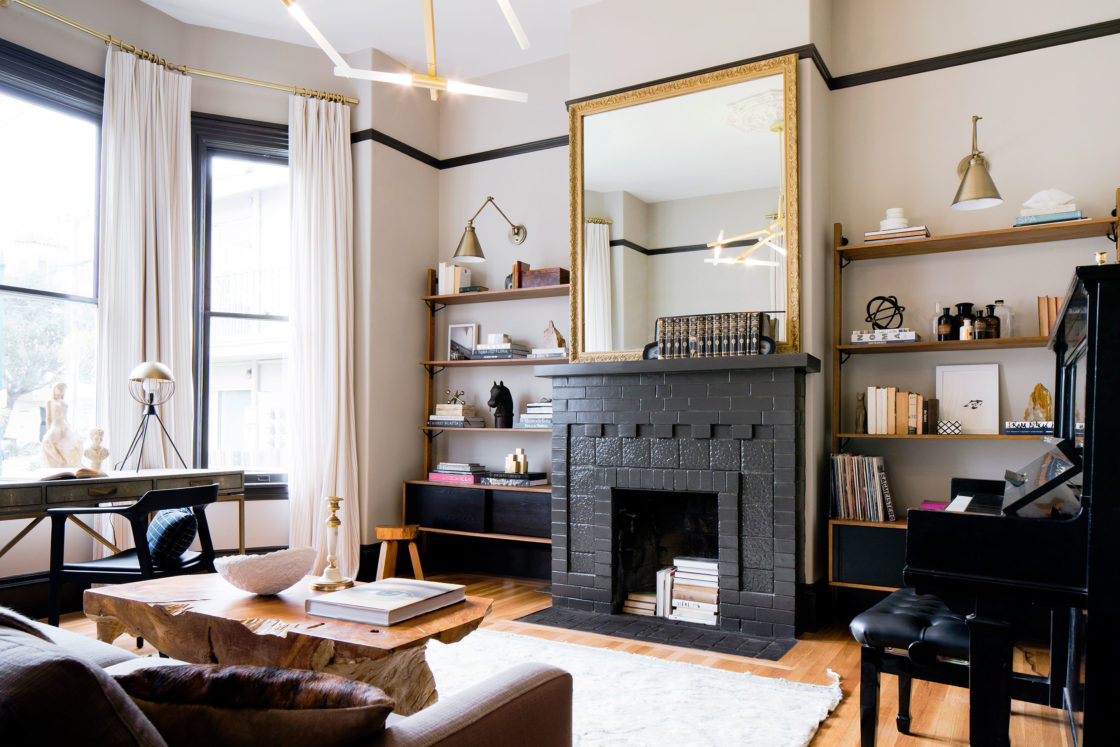
Renovating a Victorian home is always a balancing act. The original architecture deserves to be celebrated, but the interiors also need to support the way we live today. This beautifully restored 140-year-old house in Alameda, California, proves you don’t have to choose between preserving history and embracing modern design.
The extensive renovation was a creative collaboration between Landed Interiors & Homes and Sunset magazine’s Editor-in-Chief, Irene Edwards, whose adventurous taste and fashion-forward style helped shape the home’s personality. The project was later featured in Sunset magazine, and it’s easy to see why. Every room feels thoughtfully edited, combining historic character with contemporary comfort in a way that feels effortless rather than overly designed.
Let the Architecture Be the Star
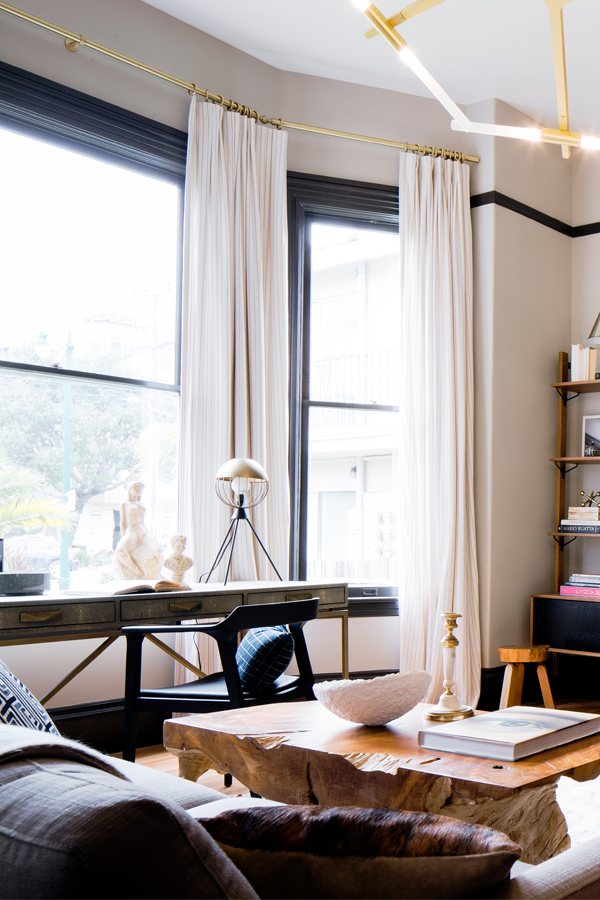
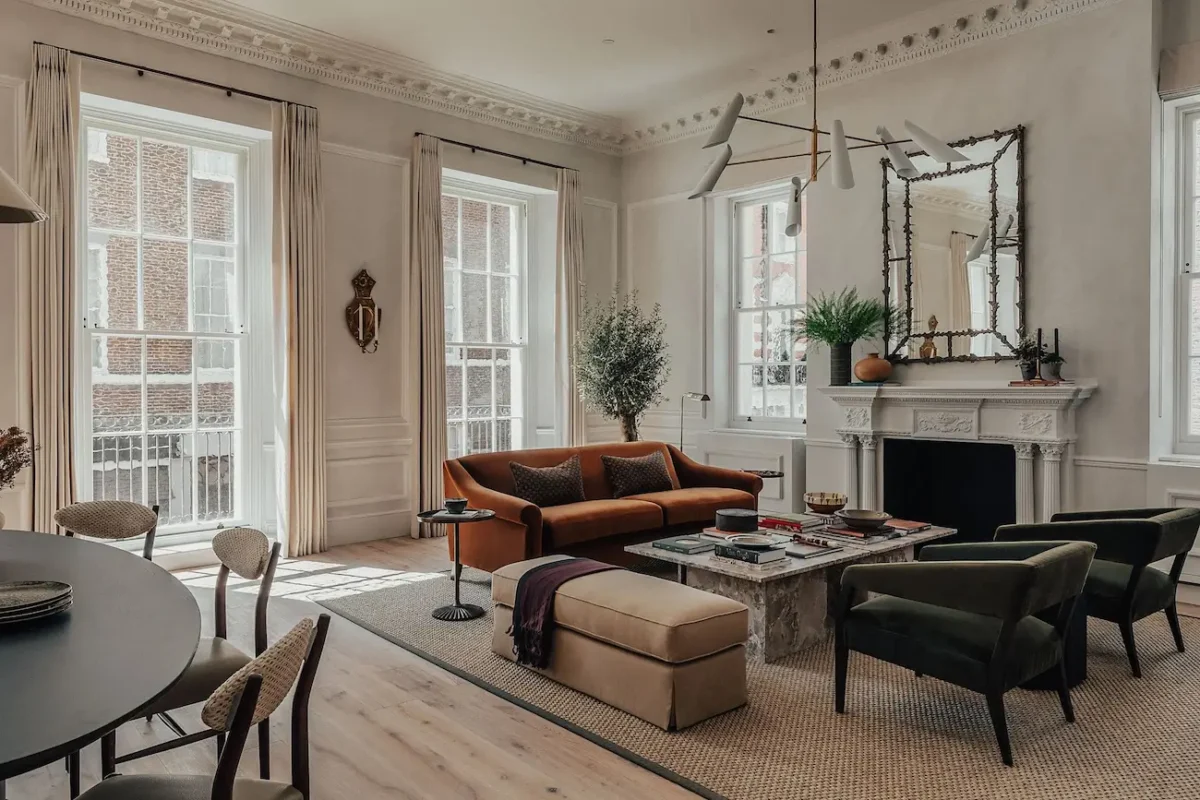
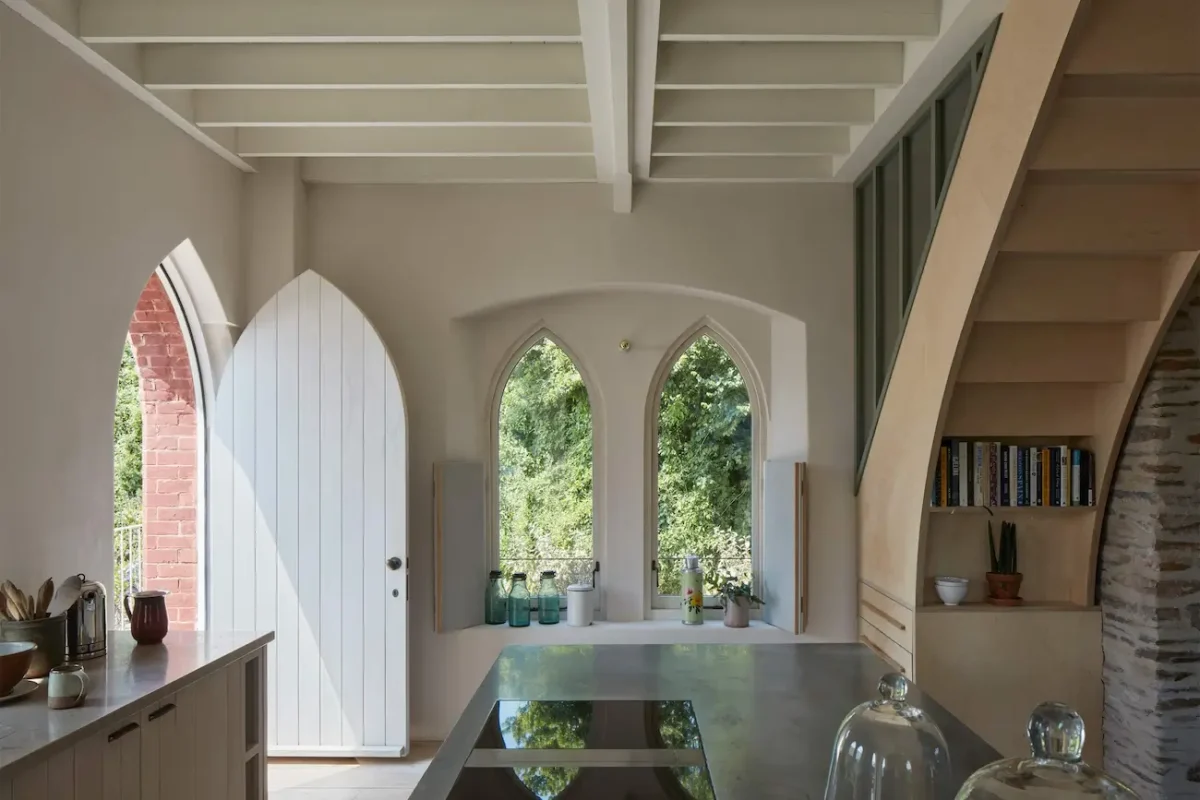
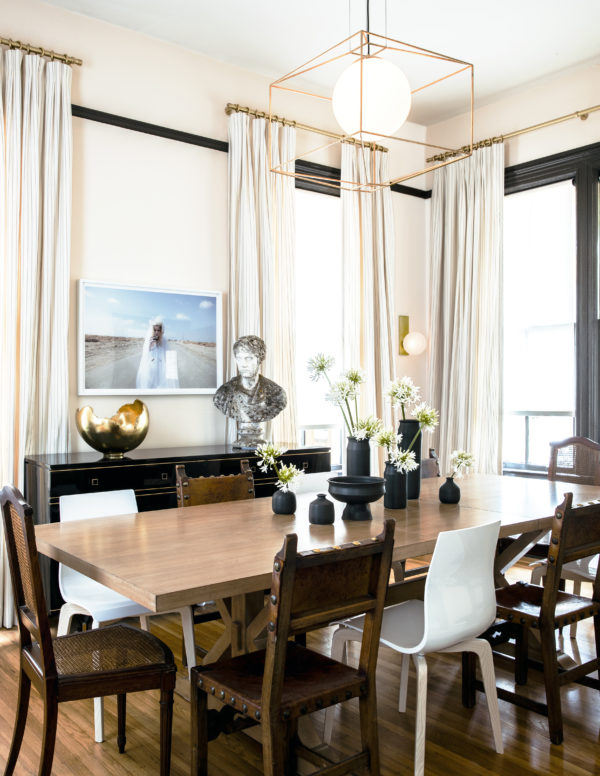
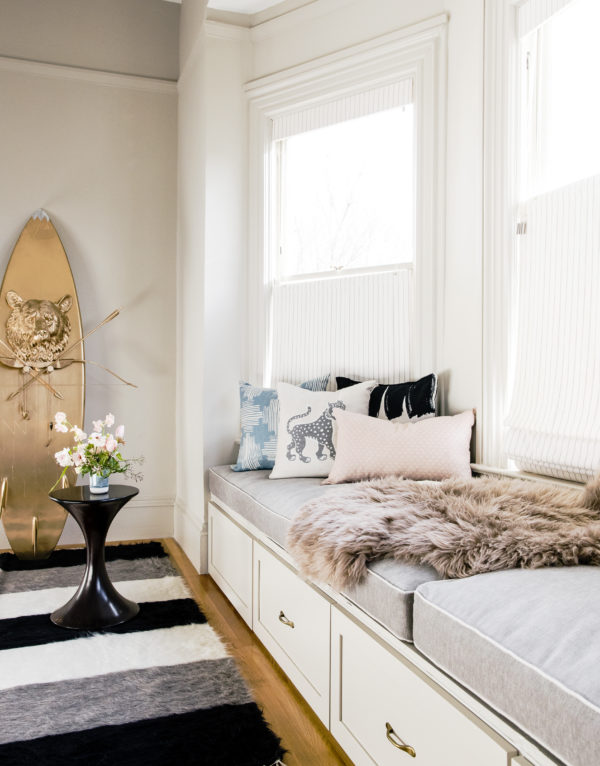
One of the smartest decisions throughout the renovation was keeping the palette soft and understated. Crisp white walls create a clean backdrop that naturally draws your attention to the original moldings and ceiling details. Instead of competing with the architecture, the paint quietly frames it.
It’s a reminder that Victorian homes don’t always need dramatic colors or patterned wallpaper to feel authentic. Sometimes, the most effective design choice is simply giving the original craftsmanship room to shine.
Natural light pouring through the oversized windows only enhances the effect, making every room feel airy while emphasizing the generous proportions that make period homes so appealing.
Modern Furniture Creates the Perfect Contrast
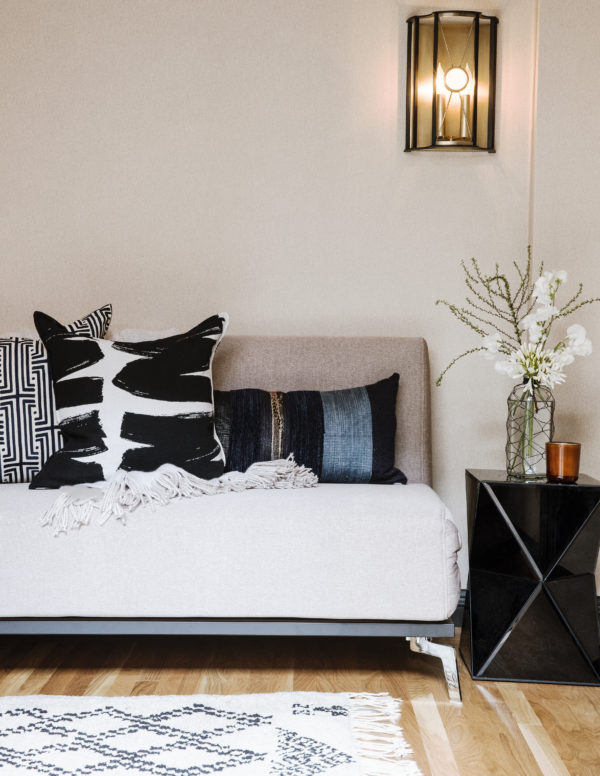
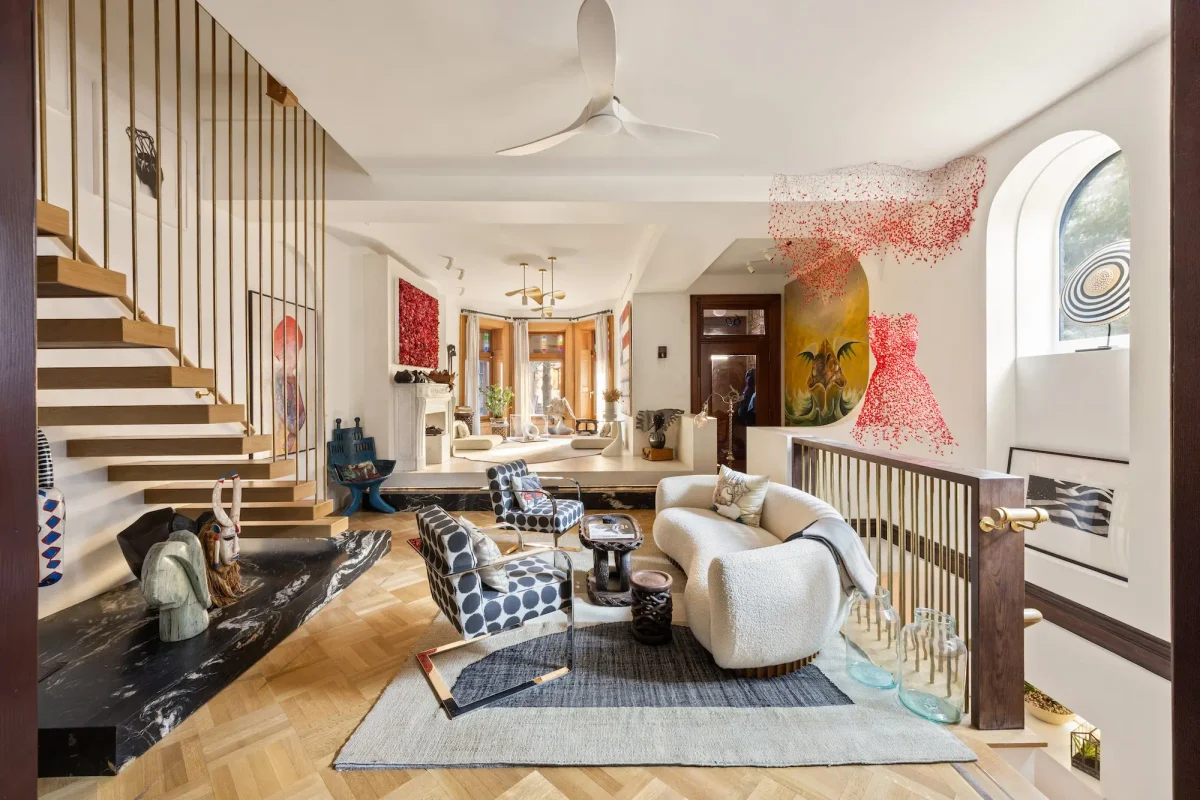
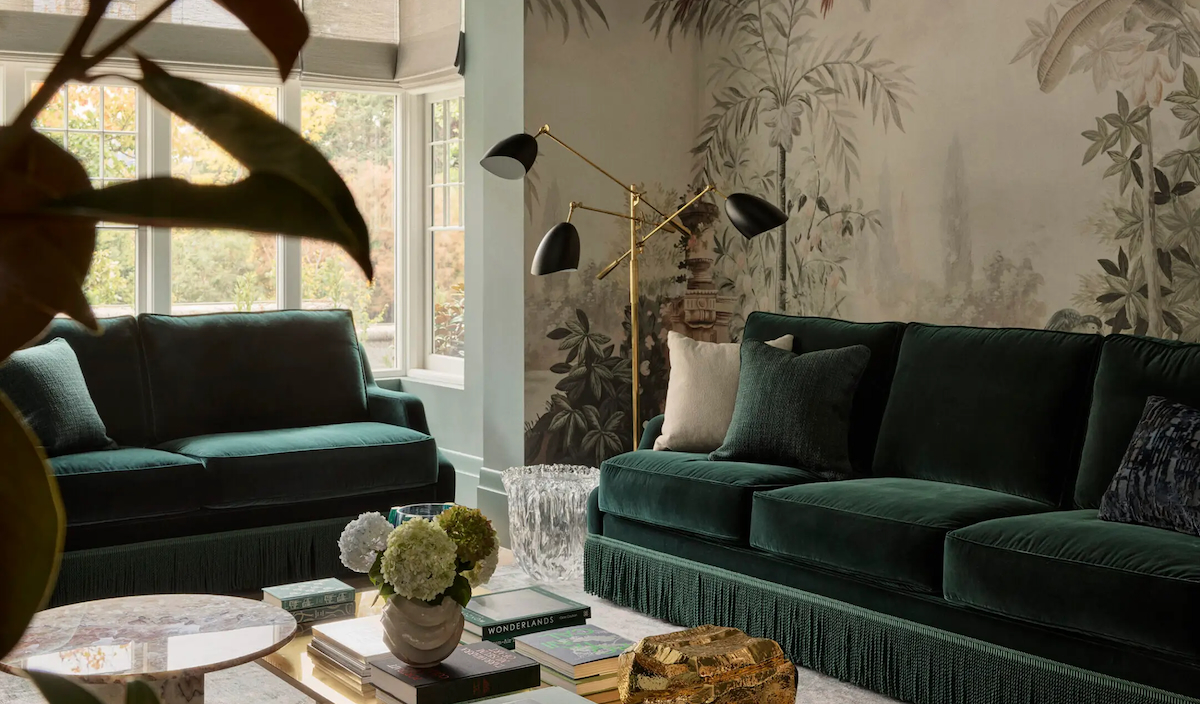
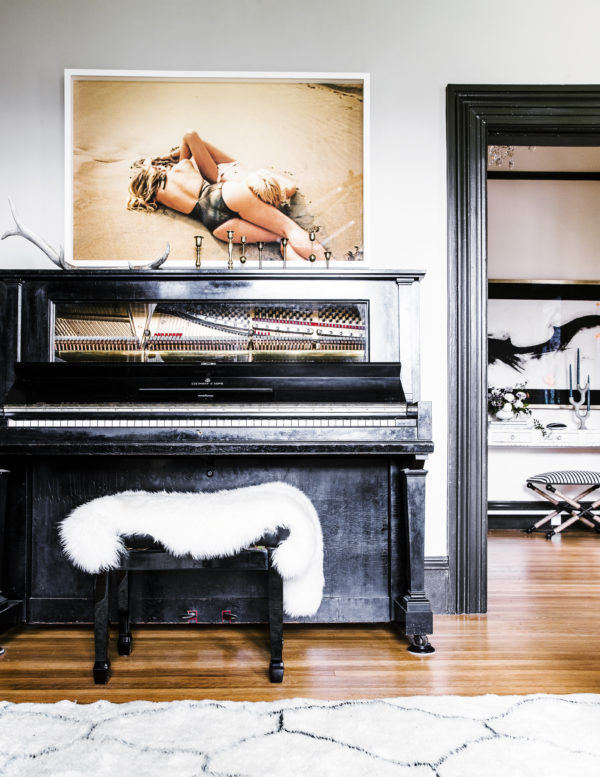
The furnishings follow the same philosophy. Clean-lined sofas, contemporary lighting, and understated accessories introduce a modern rhythm without trying to steal the spotlight.
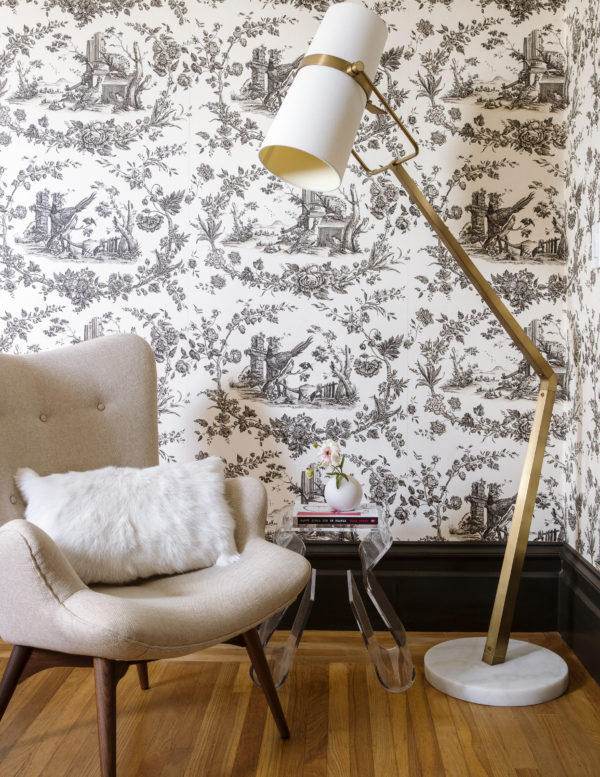
This contrast is what makes the interiors feel so balanced. If every piece of furniture were antique, the rooms could easily become heavy or overly formal. By mixing contemporary silhouettes with historic architecture, the home feels lived-in rather than staged.
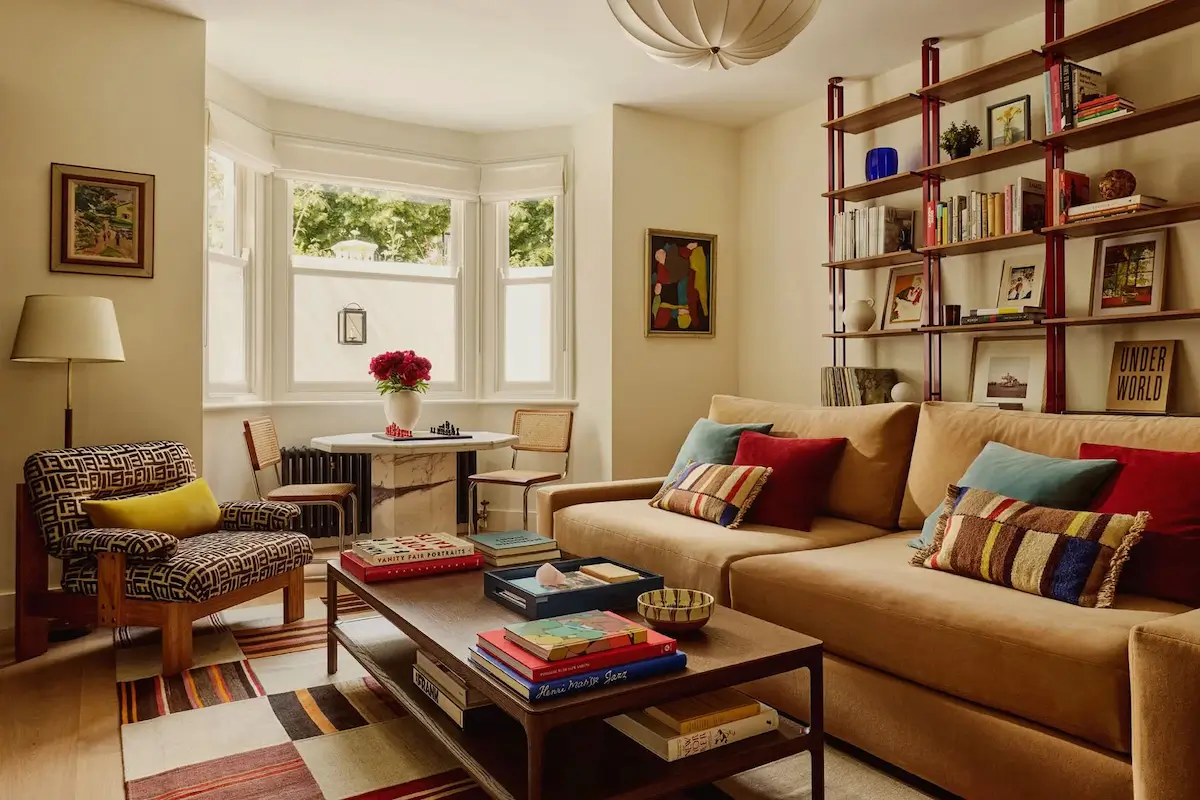
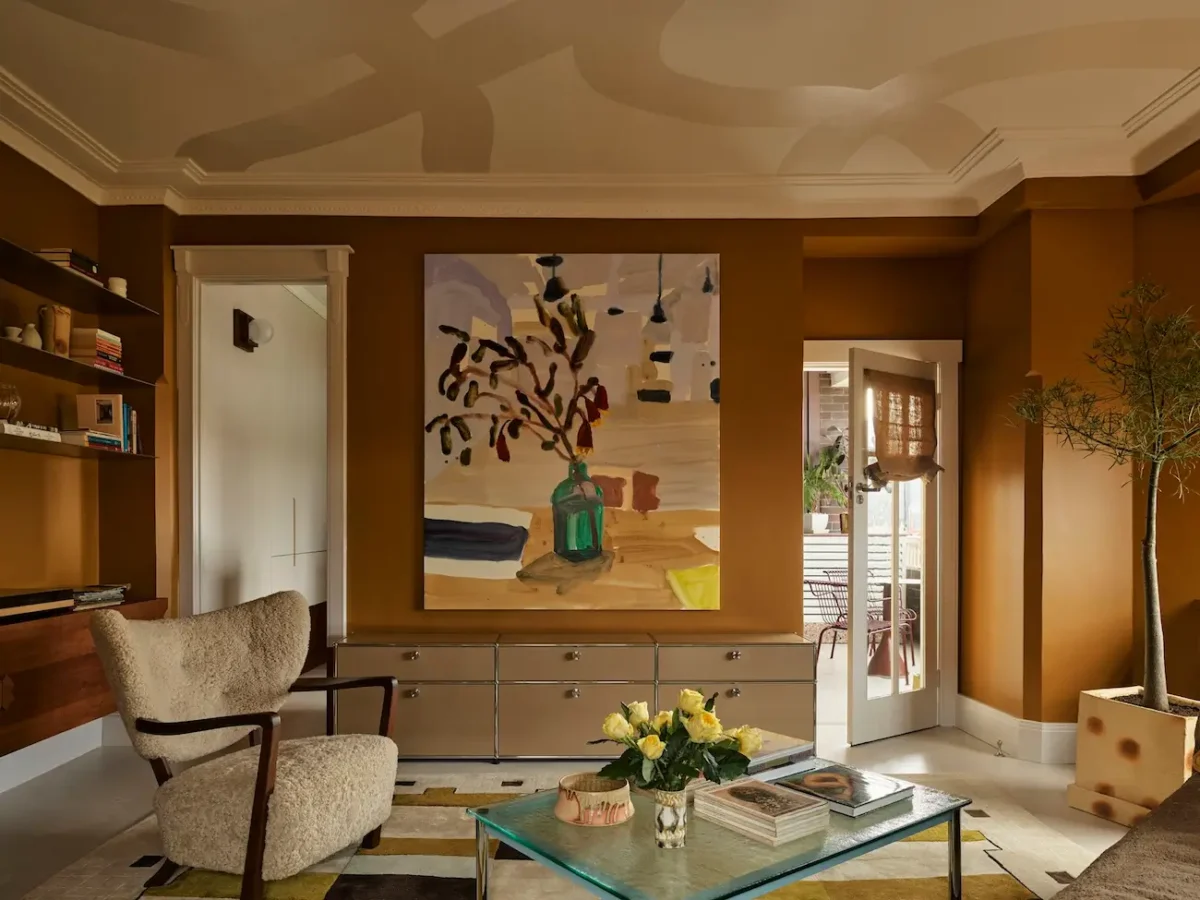
Soft textiles, cozy throws, and layered rugs add warmth, while carefully chosen artwork keeps the spaces personal instead of predictable.
A Kitchen That Feels Fresh Without Chasing Trends
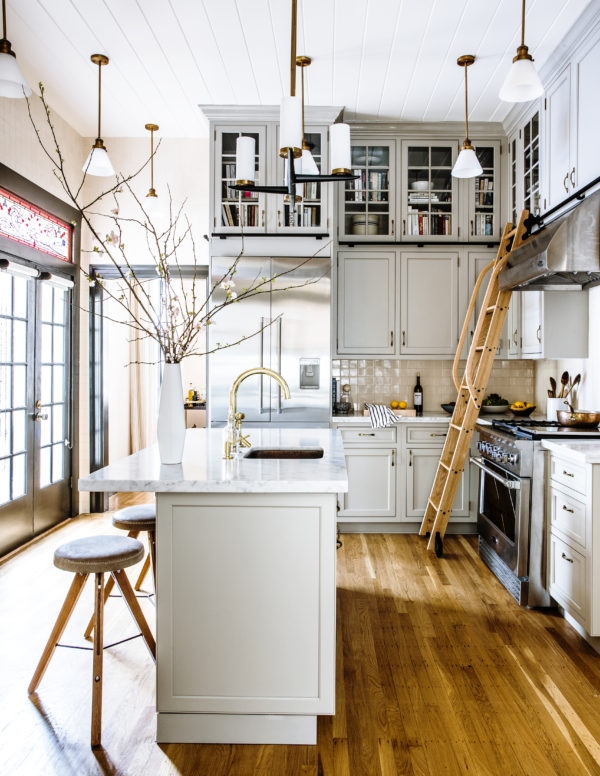
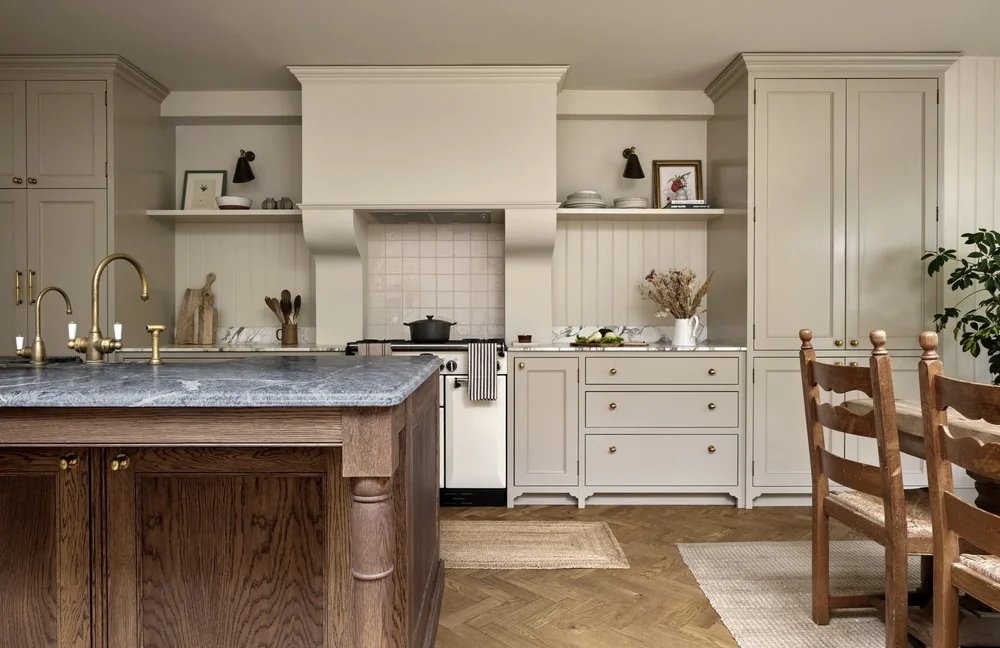
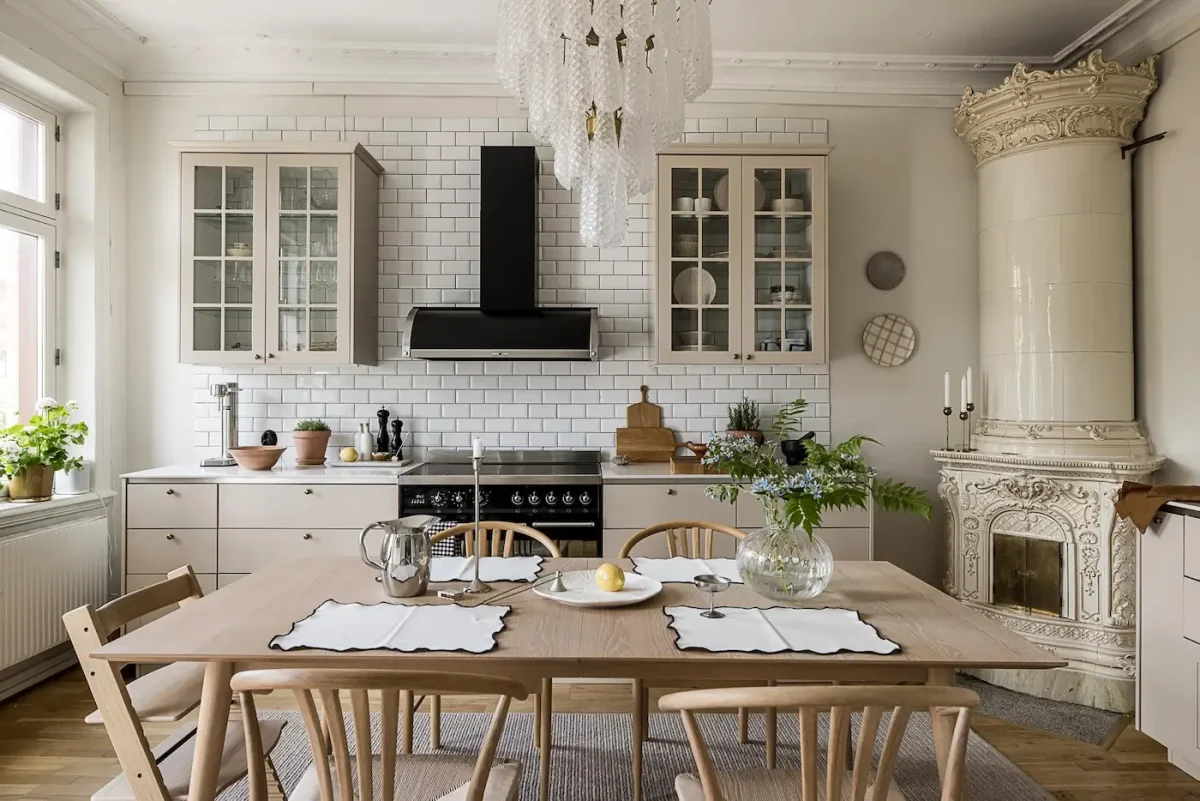
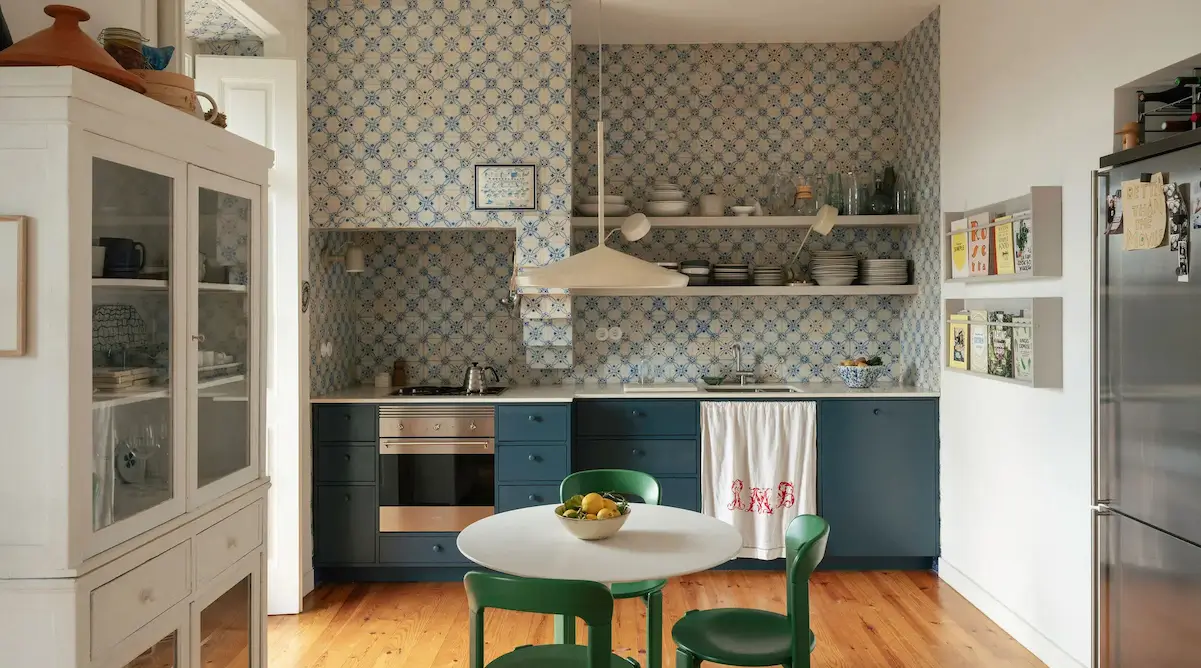
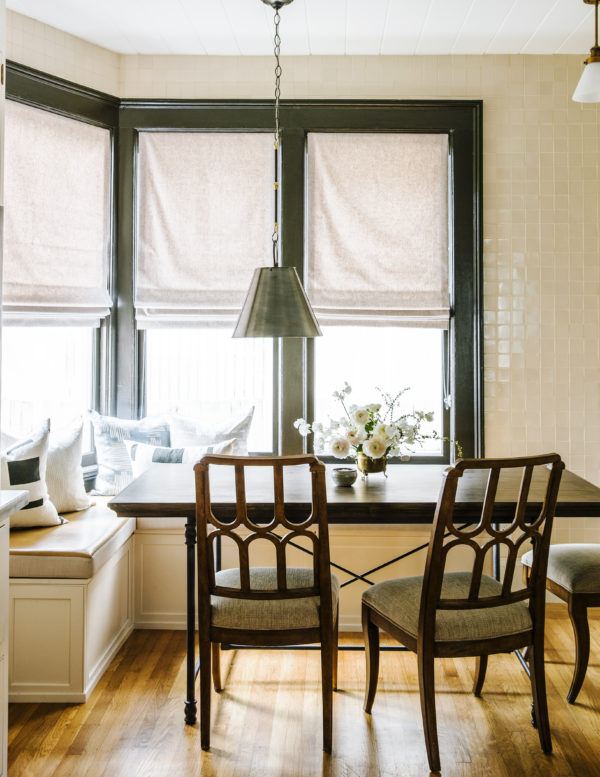
The kitchen embraces simplicity while respecting the age of the home. Streamlined cabinetry, light surfaces, and warm timber elements create an inviting space that connects naturally with the rest of the house.
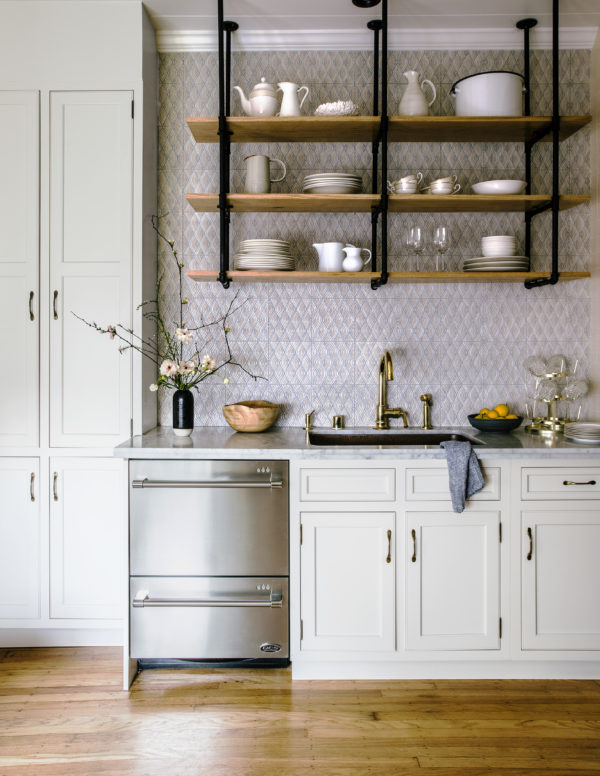
Rather than relying on bold colors or trendy finishes, the design focuses on timeless materials that will age gracefully. Brass fixtures introduce just enough warmth to keep the space from feeling clinical, while subtle black accents provide definition and contrast.
It’s the kind of kitchen that feels equally appropriate today as it will a decade from now.
The Beauty of Repeating Materials
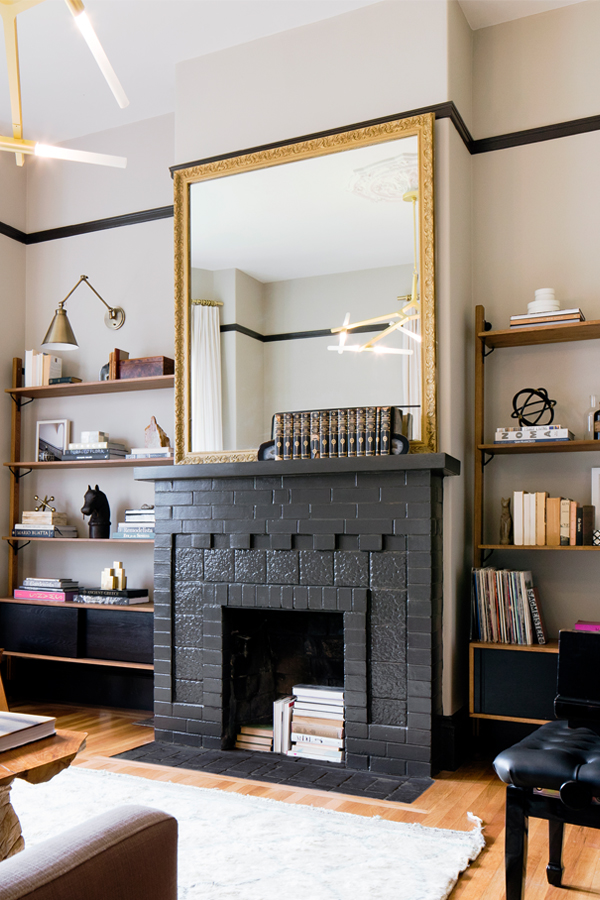
One detail that quietly ties the entire house together is the thoughtful repetition of finishes.
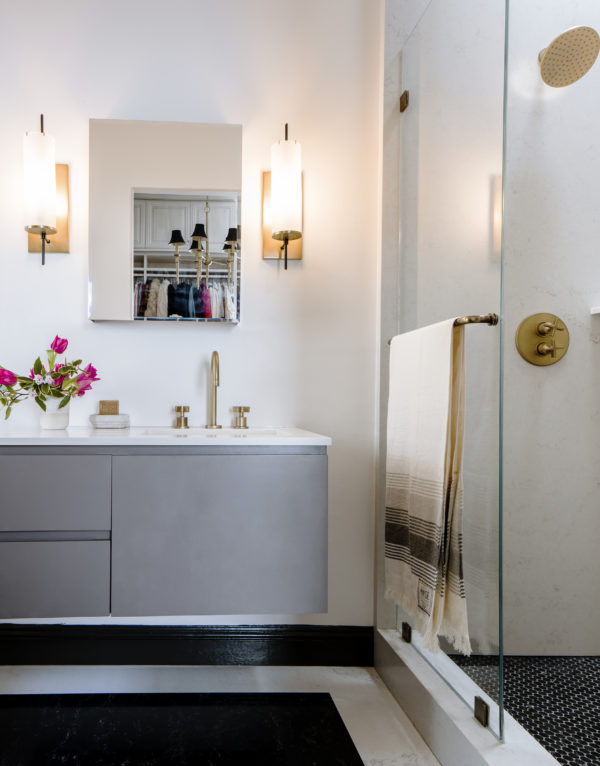
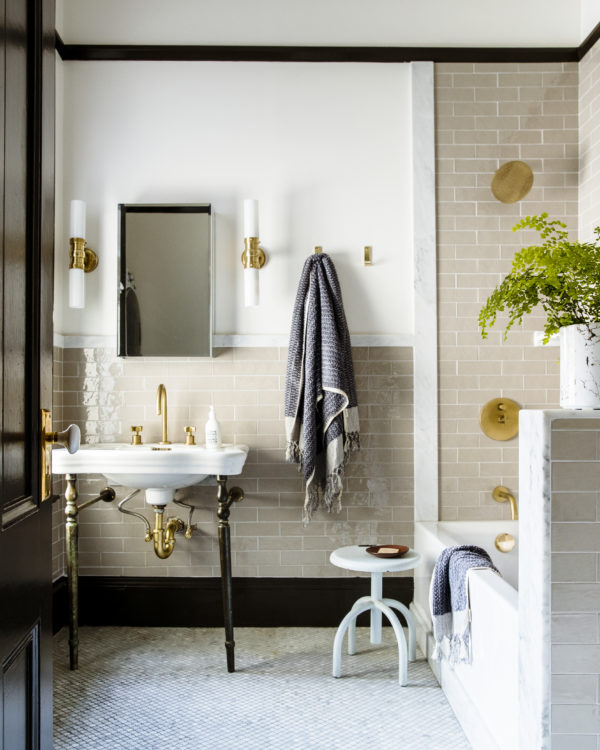
Brass appears in lighting, cabinet hardware, faucets, and decorative accents without becoming overpowering. Natural wood brings warmth to nearly every room, while white walls create continuity from one space to the next.
Instead of filling each room with something different, the designers allowed a handful of materials to repeat throughout the home. That consistency makes the interiors feel calm and cohesive, even as each room develops its own personality.
Bedrooms Designed for Rest
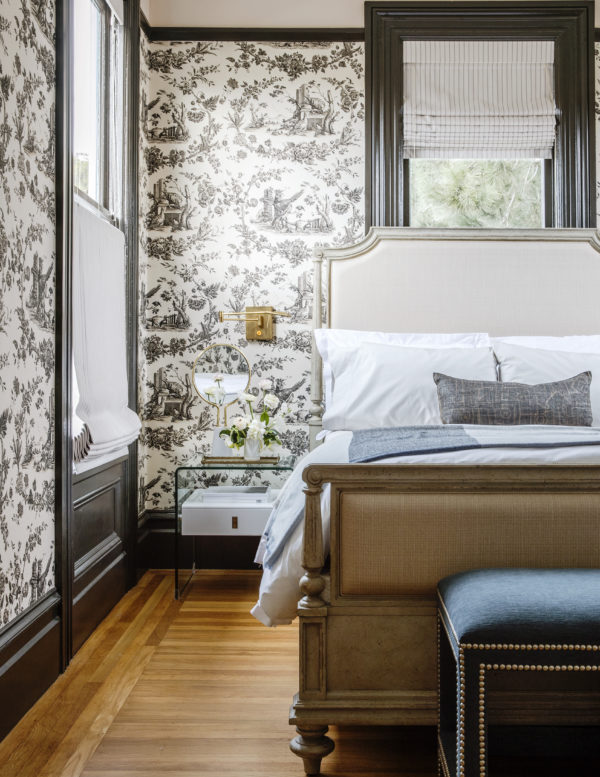
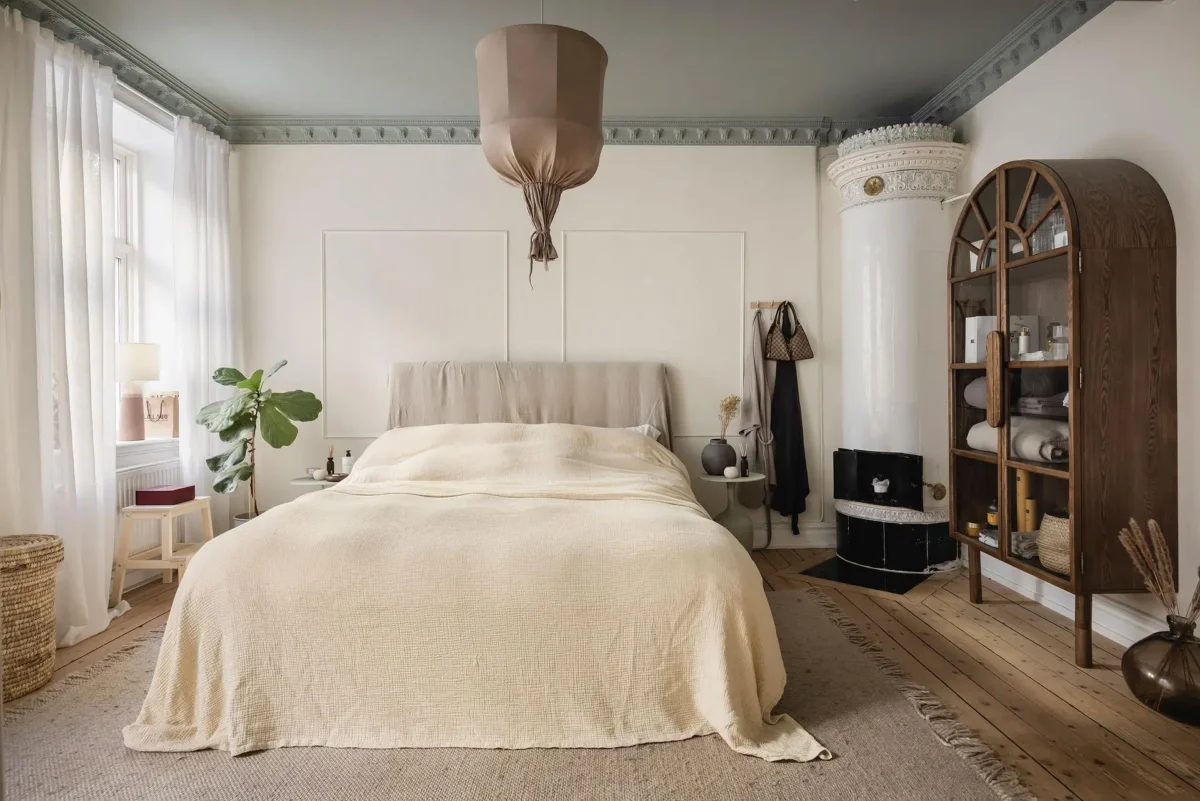
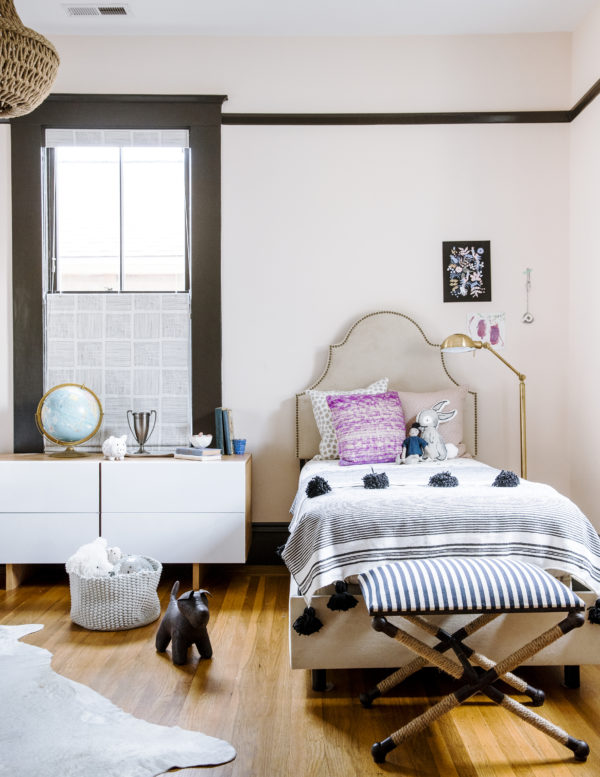
The bedrooms continue the restrained approach with soft linens, neutral colors, and minimal decoration. Original fireplaces and period moldings provide enough visual interest that the rooms never feel plain.
Rather than layering on excessive décor, the styling focuses on texture—washed linen bedding, natural wood furniture, woven baskets, and gentle lighting create spaces that feel peaceful and inviting.
It’s proof that character doesn’t always come from adding more. Sometimes it comes from knowing what to leave untouched.
Design Lessons to Borrow
If you’re renovating an older home, there are plenty of ideas worth stealing from this project:
- Preserve original architectural details whenever possible—they’re impossible to replicate authentically.
- Use a restrained color palette to highlight period features rather than compete with them.
- Mix contemporary furniture with historic architecture to keep rooms feeling fresh.
- Repeat materials like brass, timber, and natural textiles throughout the home for a cohesive look.
- Let quality materials and craftsmanship take center stage instead of relying on trends.
A Home That Respects Its Past While Looking Forward
The most successful Victorian renovations don’t ask you to choose between old and new—they celebrate both.
This home demonstrates that preserving history doesn’t mean sacrificing comfort or contemporary living. By keeping the original architectural details intact while introducing clean-lined furniture, warm natural materials, and thoughtful modern updates, the designers have created interiors that feel timeless rather than fashionable.
It’s exactly the kind of renovation that reminds us why Victorian homes continue to capture our imagination. Their craftsmanship provides the character, while sensitive modern design ensures they’re ready for another century of everyday life.
Discover more from Decoholic
Subscribe to get the latest posts sent to your email.