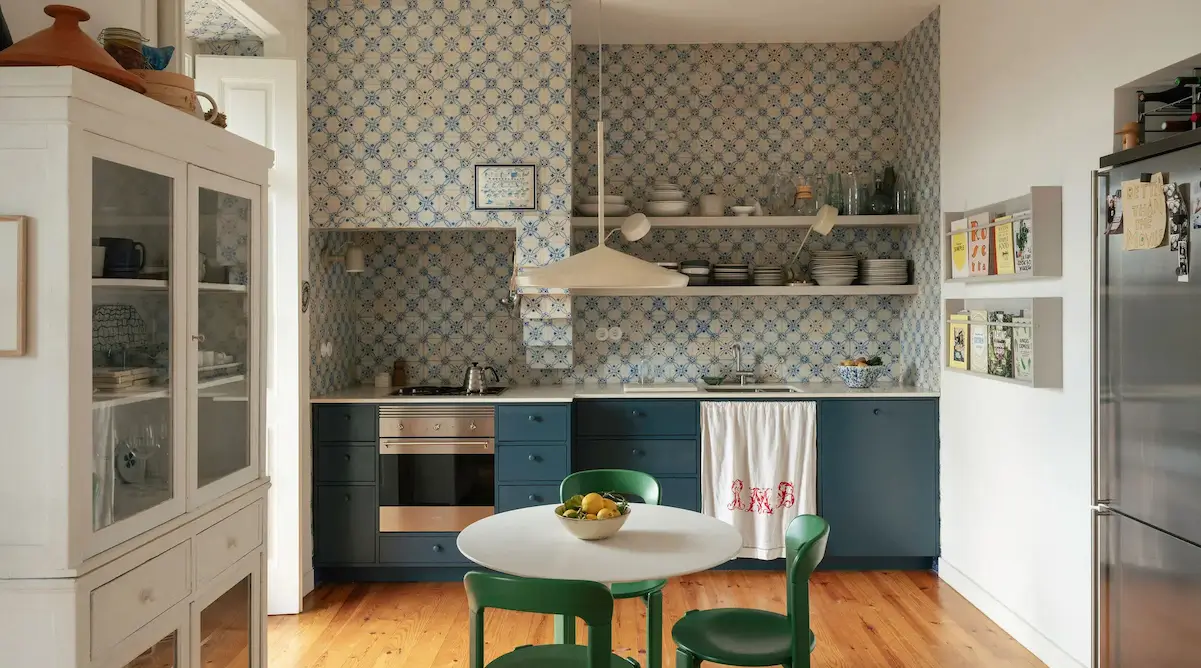
There’s a particular kind of home that instantly lowers your blood pressure. Not because it’s minimalist. Not because it’s perfectly styled. But because it feels deeply comfortable in its own skin.
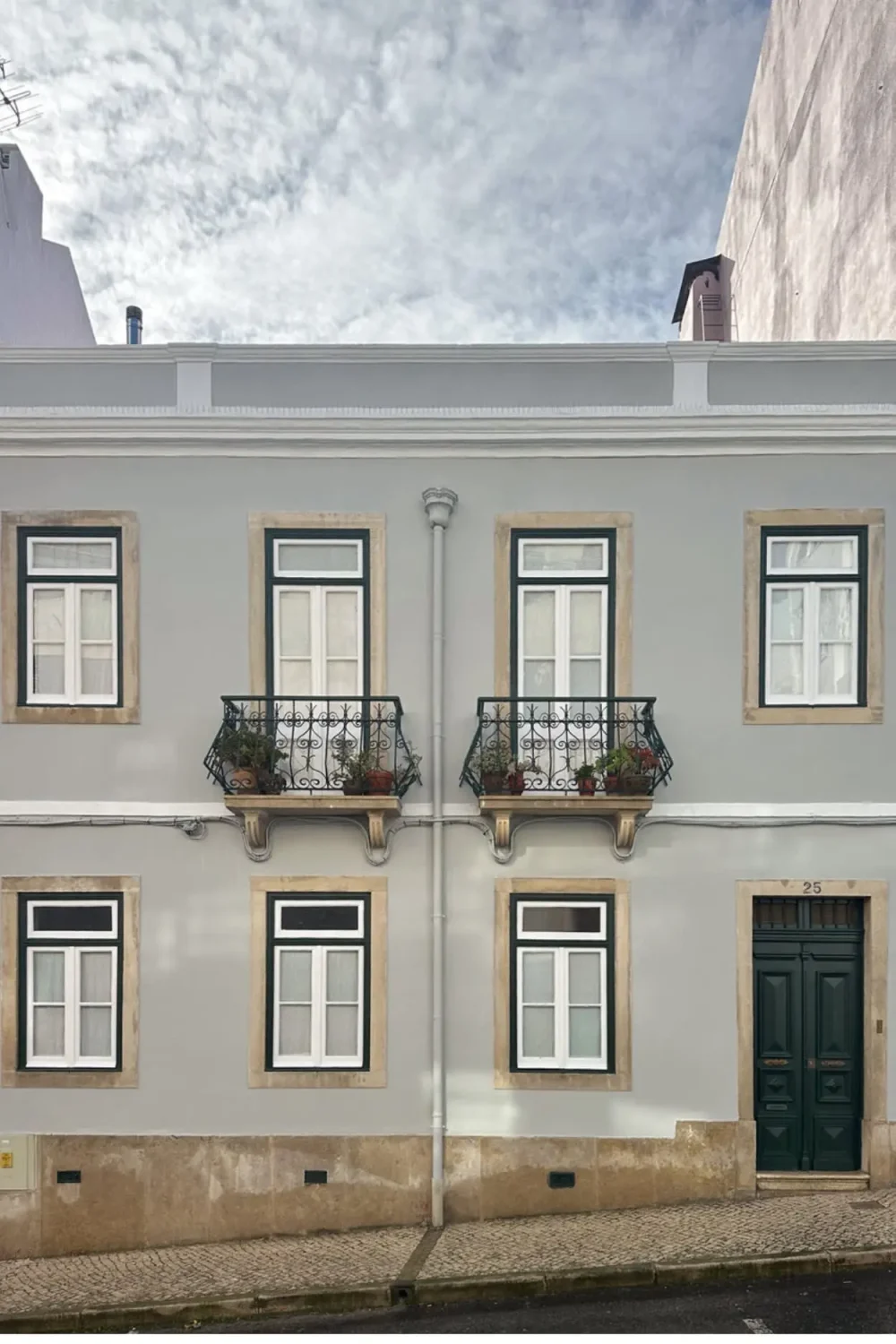
That was my reaction when I came across this 19th-century townhouse in Lisbon’s Lapa neighborhood, currently listed through Fantastic Frank.
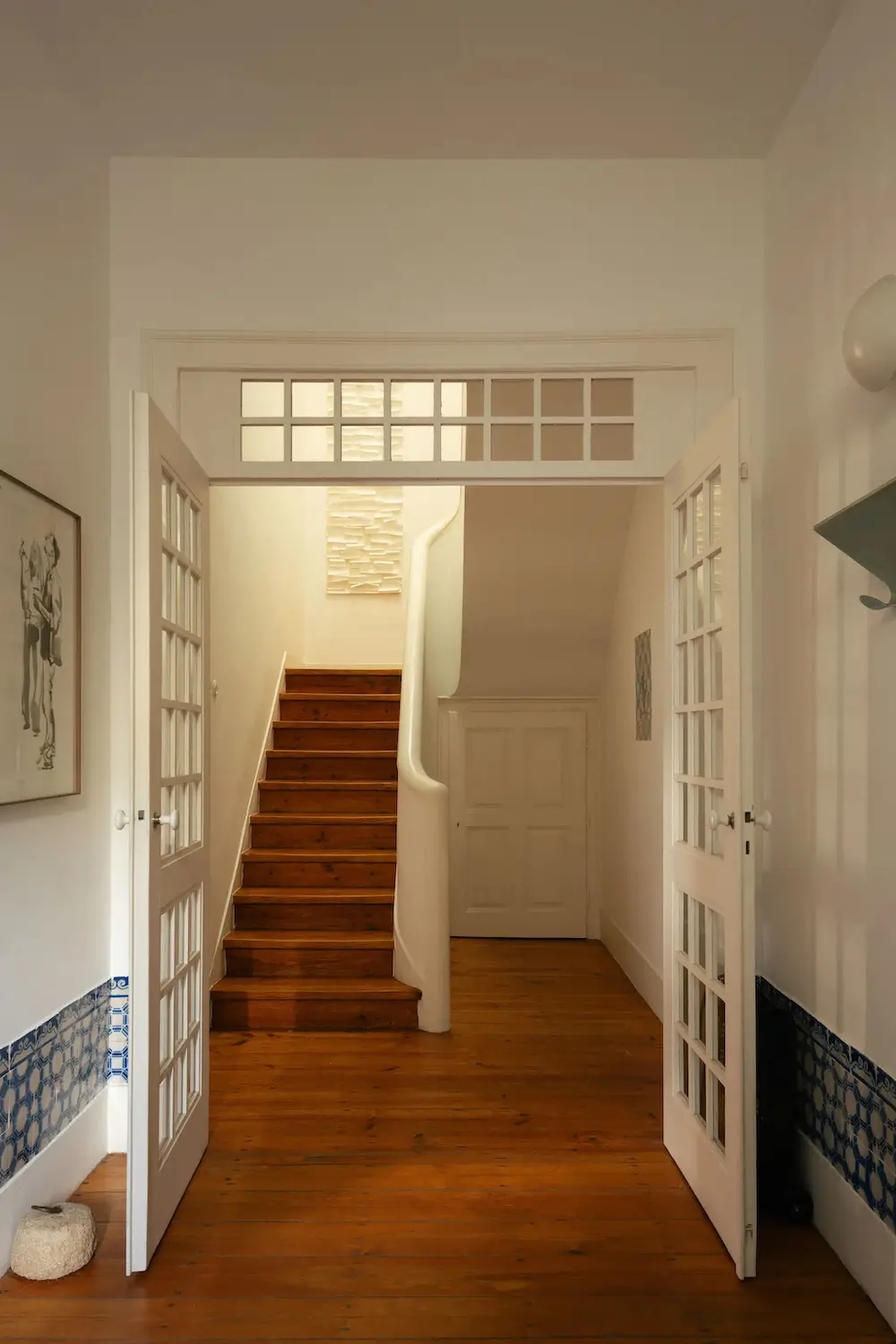
At first glance, it looks like exactly what you’d expect from a traditional Portuguese townhouse. White walls. Historic proportions. Old pine floors that have seen a lot of life. But once you step inside, you realize this house is playing a much more interesting game.
Rather than trying to erase its history—or preserve it behind glass—the renovation embraces what was already here and quietly layers contemporary living around it. The result feels less like a design project and more like a conversation between generations.
And honestly? That’s much harder to pull off than it looks.
A Kitchen That Refuses to Be Trendy
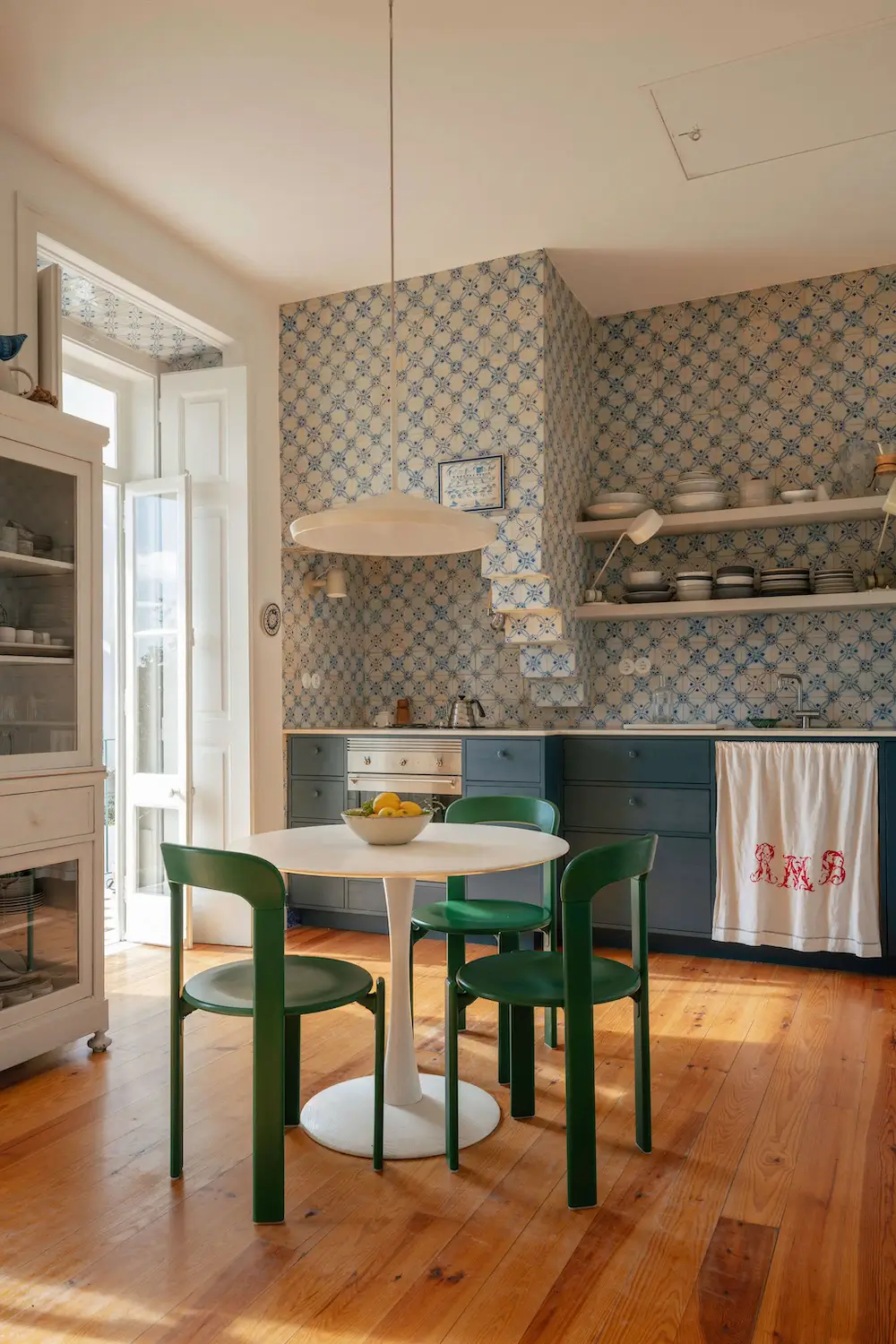
If you only show me one room in a house, make it this kitchen.
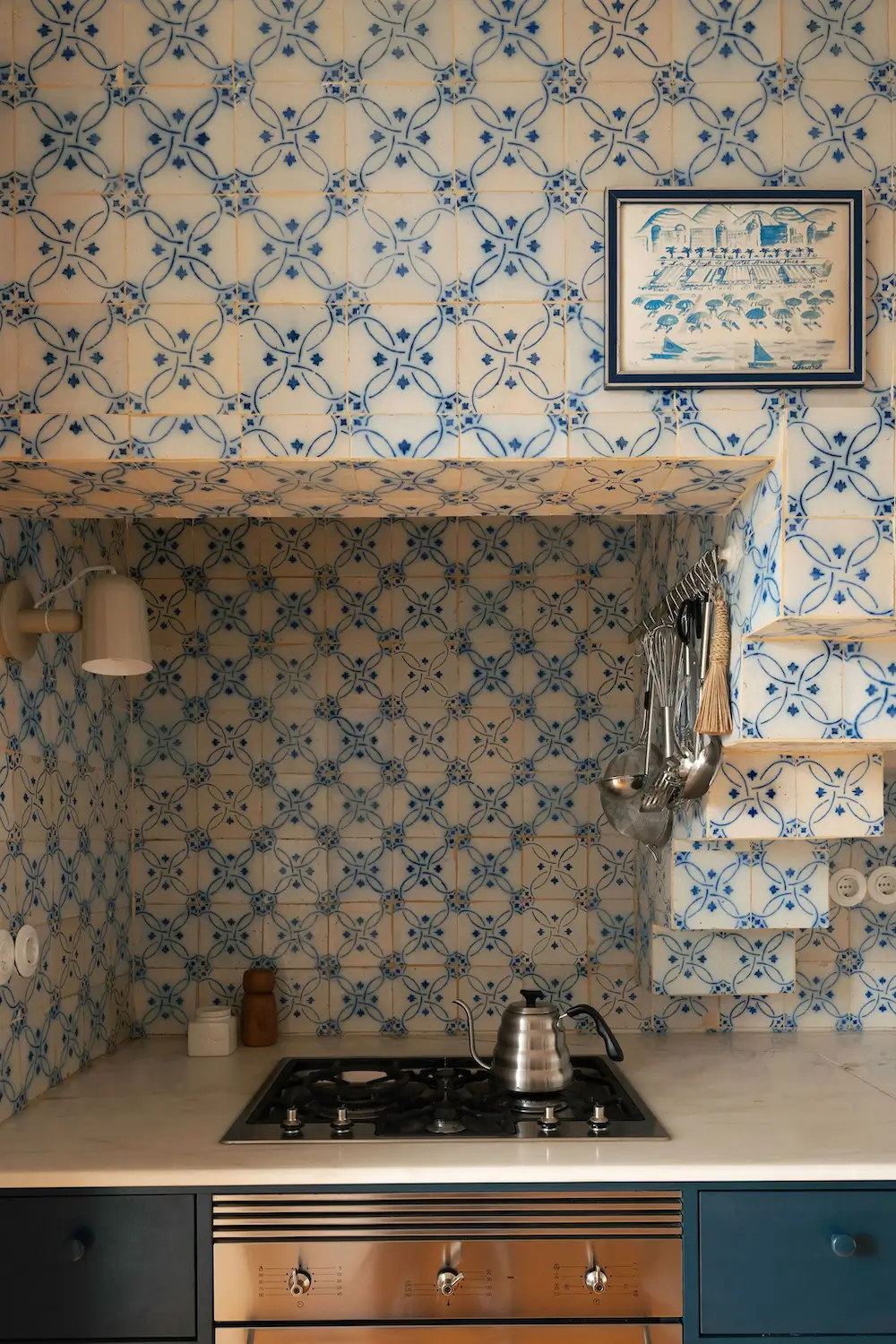
The blue-and-white Portuguese tile walls could have easily tipped into “tourist postcard” territory. Instead, they feel completely authentic because nothing around them is trying too hard. The deep blue cabinetry grounds the room, open shelving keeps everything relaxed, and the collection of everyday dishes feels genuinely lived with rather than staged.
My favorite detail might actually be the little green dining chairs around the white tulip table. They’re unexpected, slightly playful, and exactly the kind of thing that stops a historic interior from becoming precious.
This is one of those kitchens that makes you want to linger long after dinner is over.
The Smartest Room Divider I’ve Seen In A While
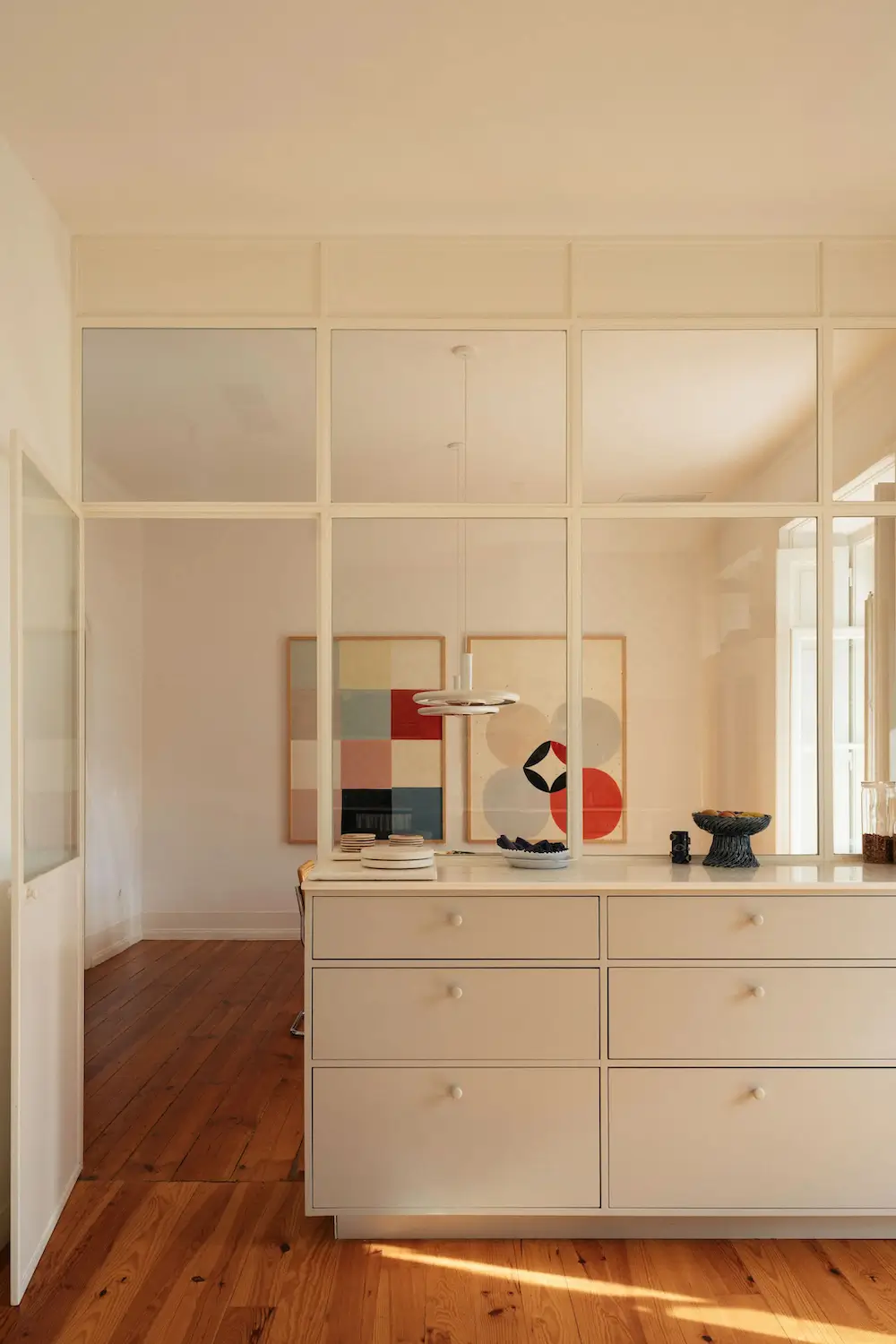
One of the most striking interventions in the house is the custom glass partition between the kitchen and dining room.
I love this solution because it solves several problems at once.
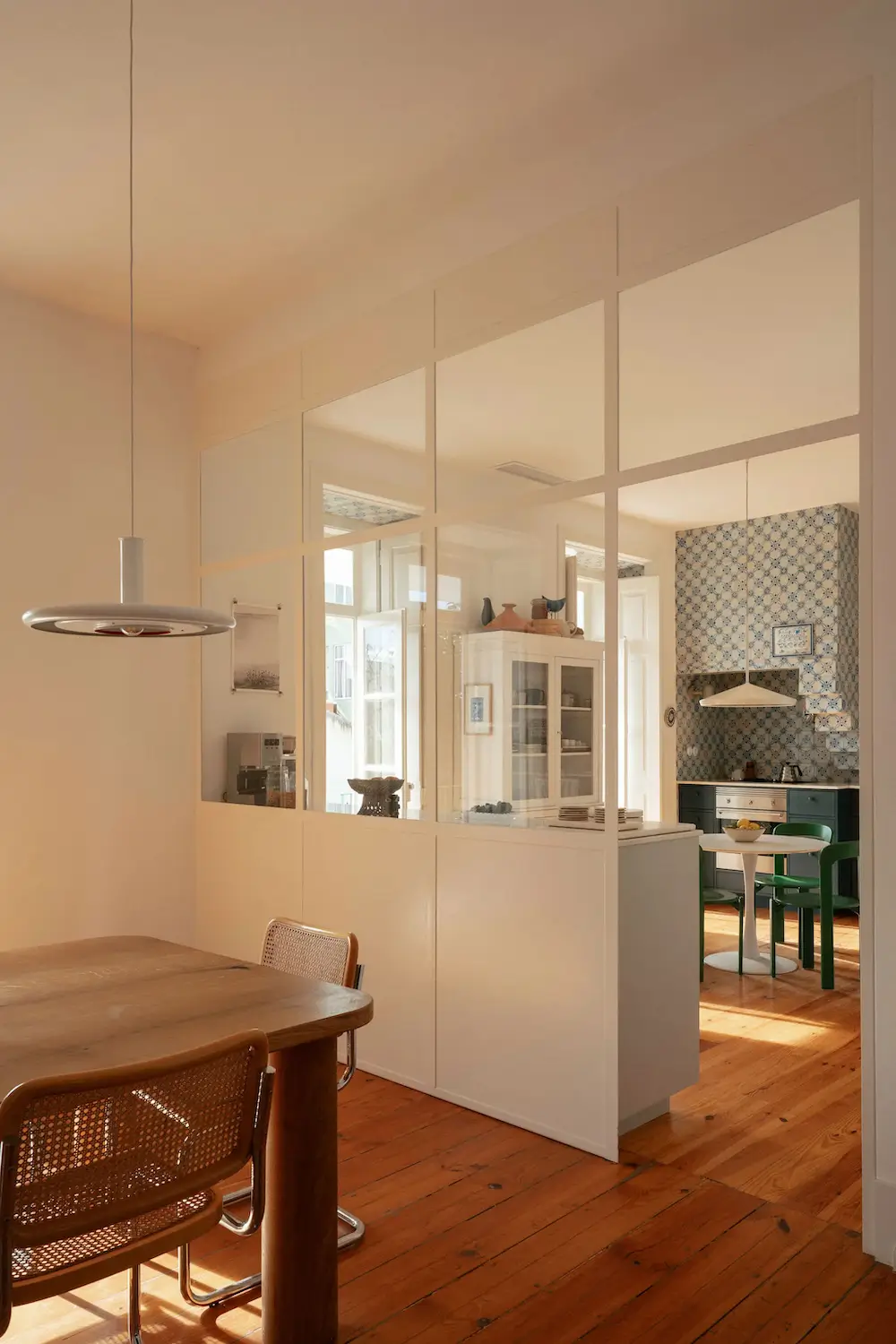
It defines separate rooms without sacrificing light. It creates additional storage. And perhaps most importantly, it introduces a contemporary architectural element that feels completely respectful of the home’s age.
Too often, renovations of historic properties fall into one of two camps: either everything becomes aggressively modern or nothing changes at all. This partition finds the sweet spot in between.
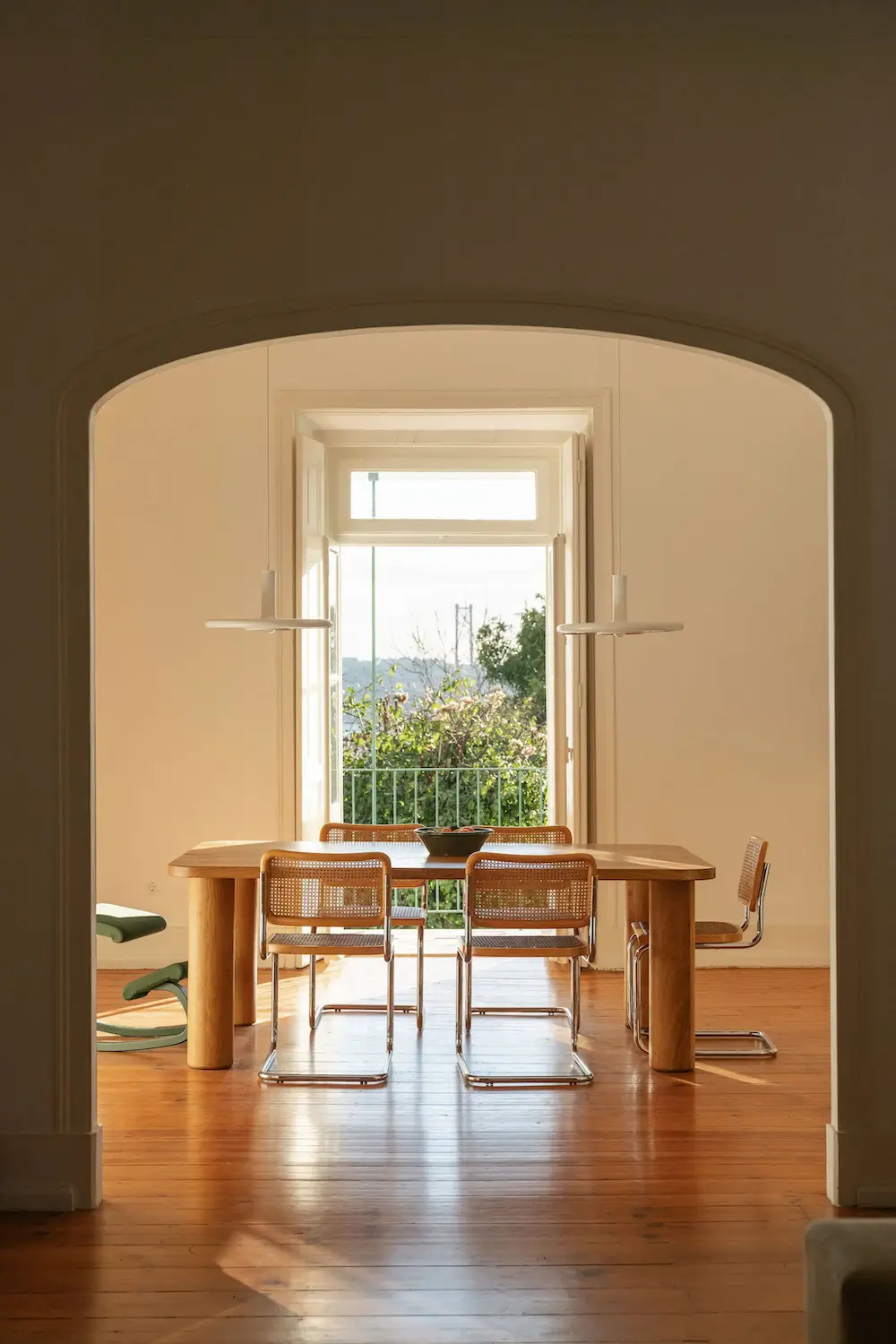
The crisp grid lines almost feel like they could have always belonged here.
Proof That White Walls Don’t Have To Be Boring
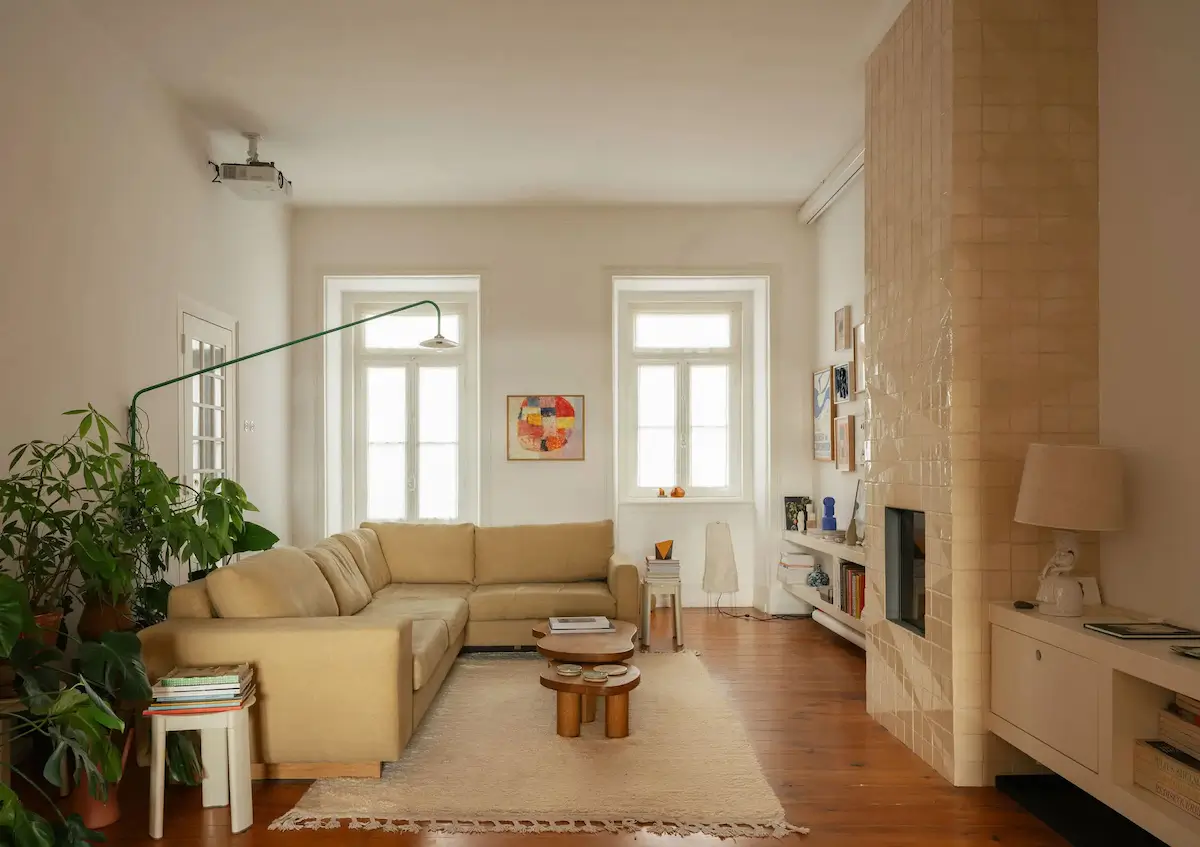
The living room is an excellent reminder that neutral spaces work best when they contain texture, shape, and history.
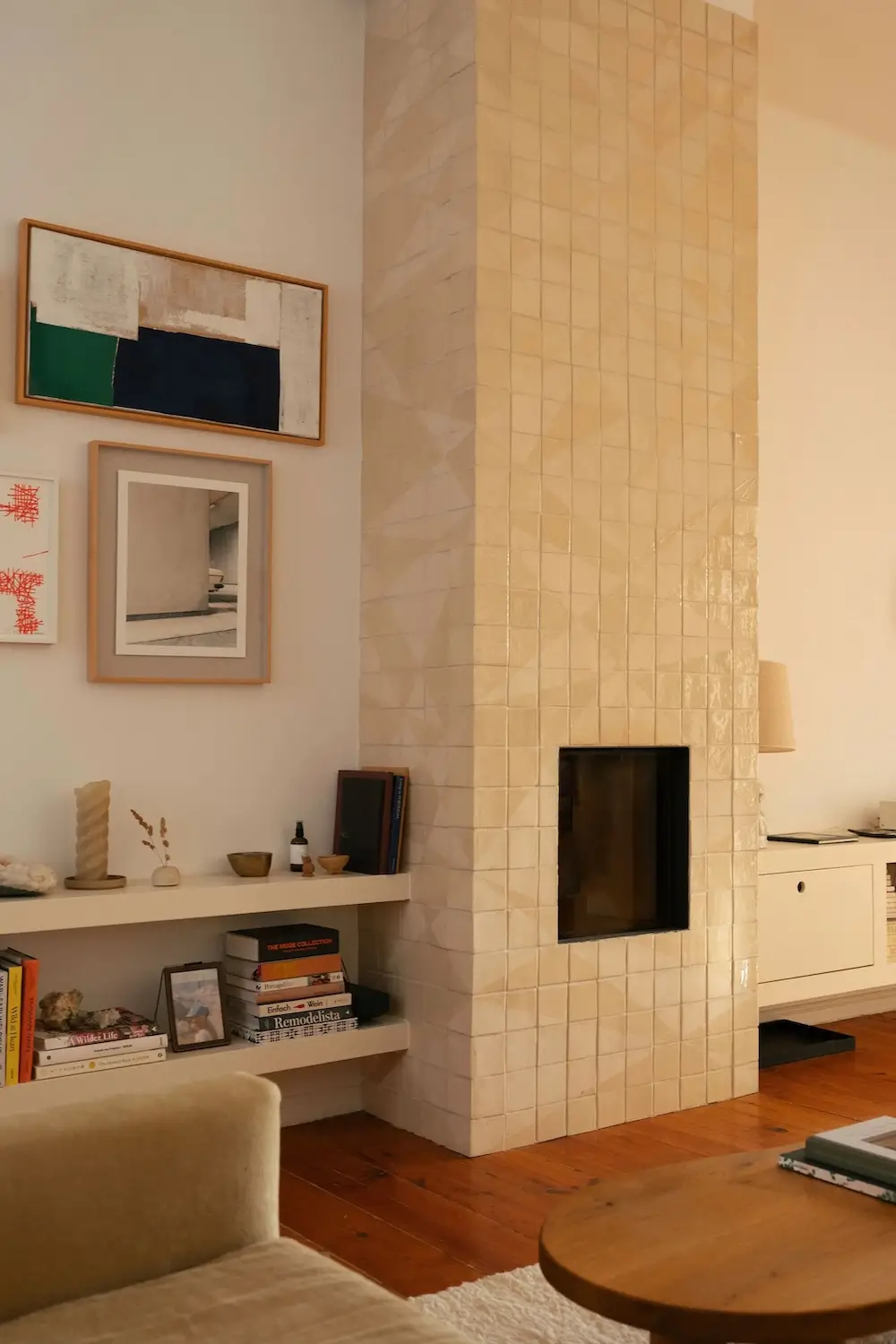
A handmade tiled fireplace by a Porto-based artist anchors the room, while soft cream upholstery, warm wood floors, books, art, and plants do the rest of the work.
Nothing is shouting for attention.
The room feels collected rather than decorated.
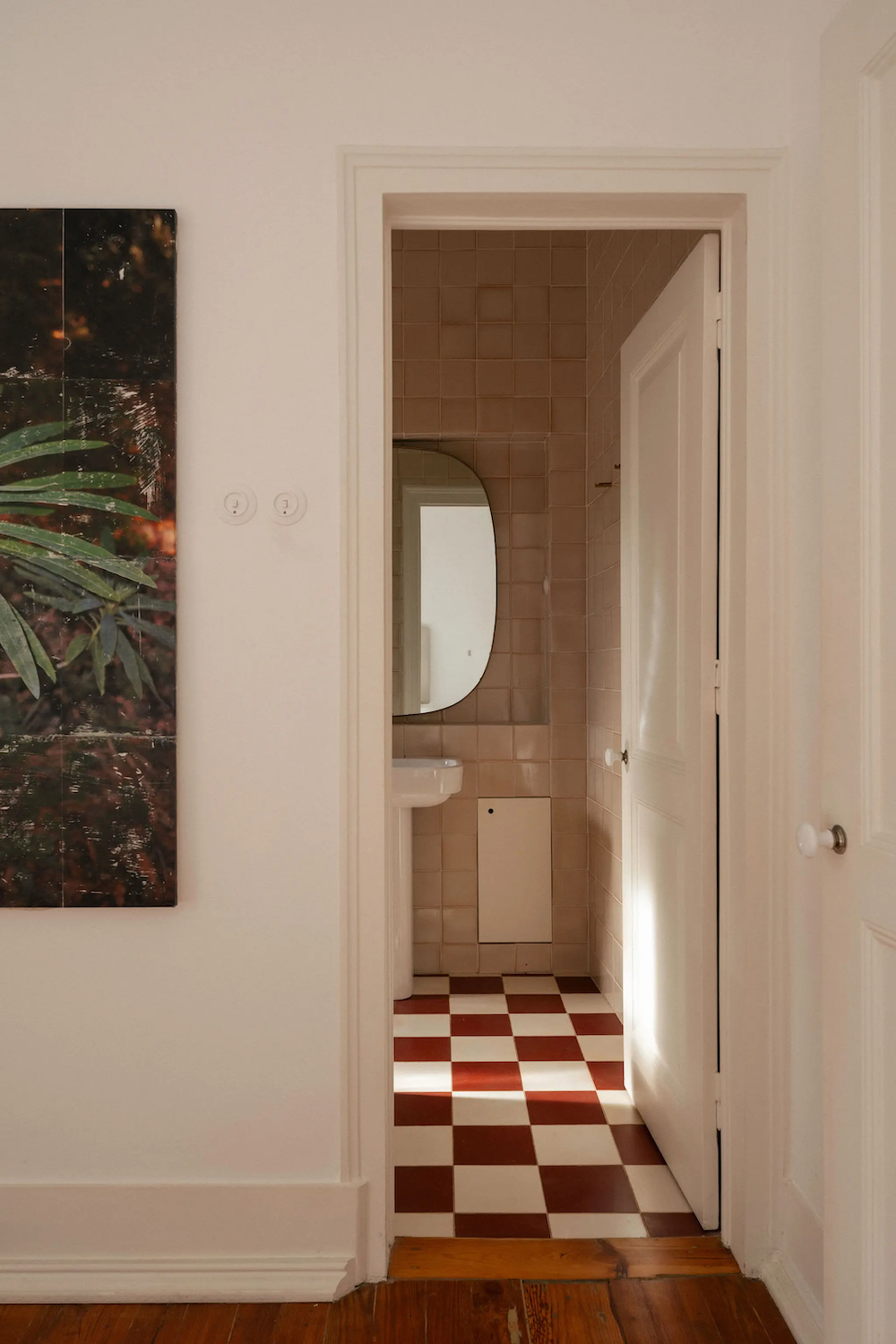
And can we talk about how beautiful those honey-colored pine floors are? They run throughout the entire house, creating continuity and warmth that no amount of styling could replicate.
The Home Office That Makes Working From Home Look Appealing
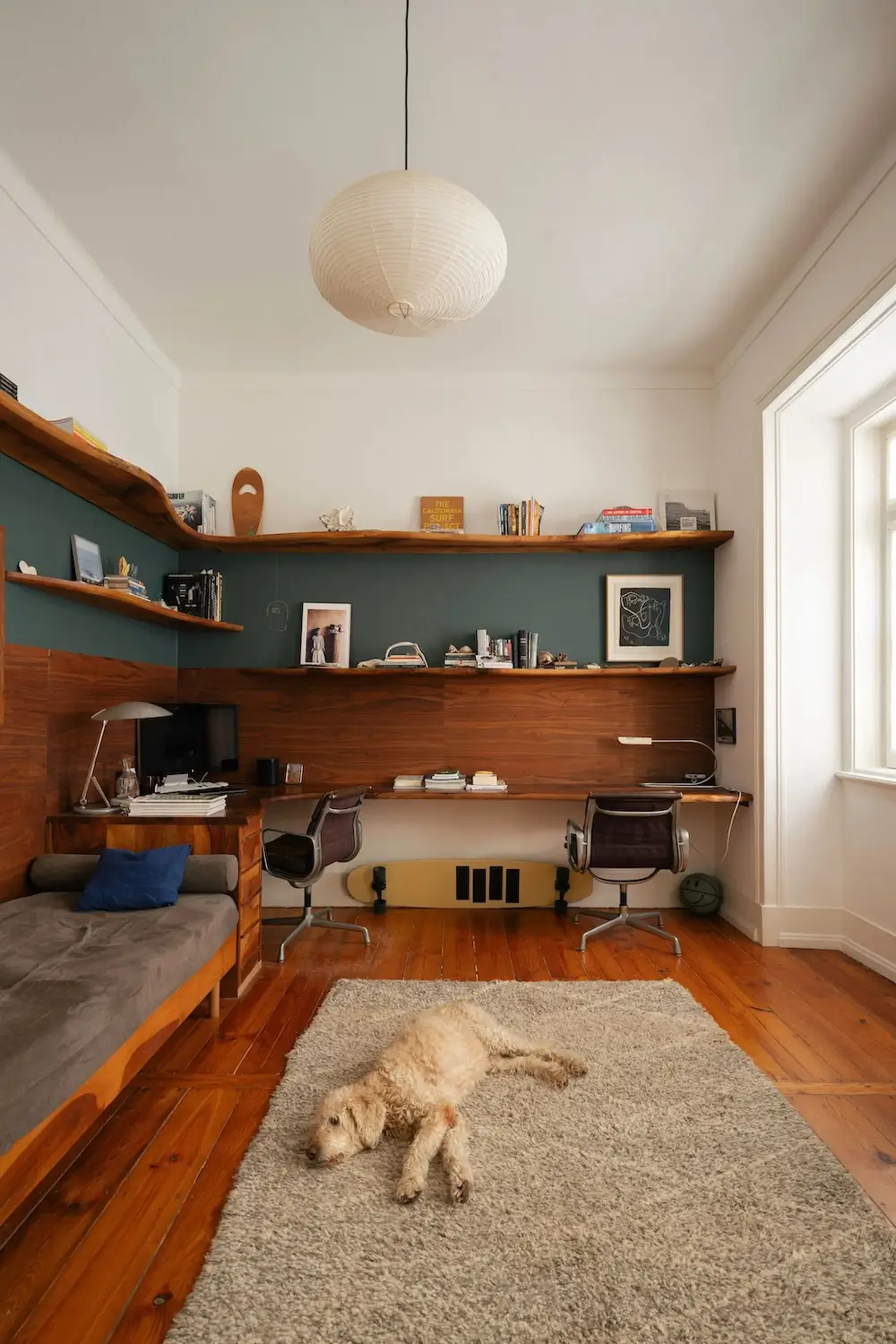
Usually when I see “custom millwork” in a home office, it means wall-to-wall cabinetry painted greige.
This room takes a far more interesting approach.
Rich walnut wraps the walls and transforms into shelving, a desk, and built-in seating in one continuous gesture. The dark teal backdrop adds depth while keeping the wood from feeling heavy.
It’s functional, yes. But it’s also incredibly atmospheric.
The sleeping dog in the middle of the room certainly doesn’t hurt either.
The Most Charming Room In The House
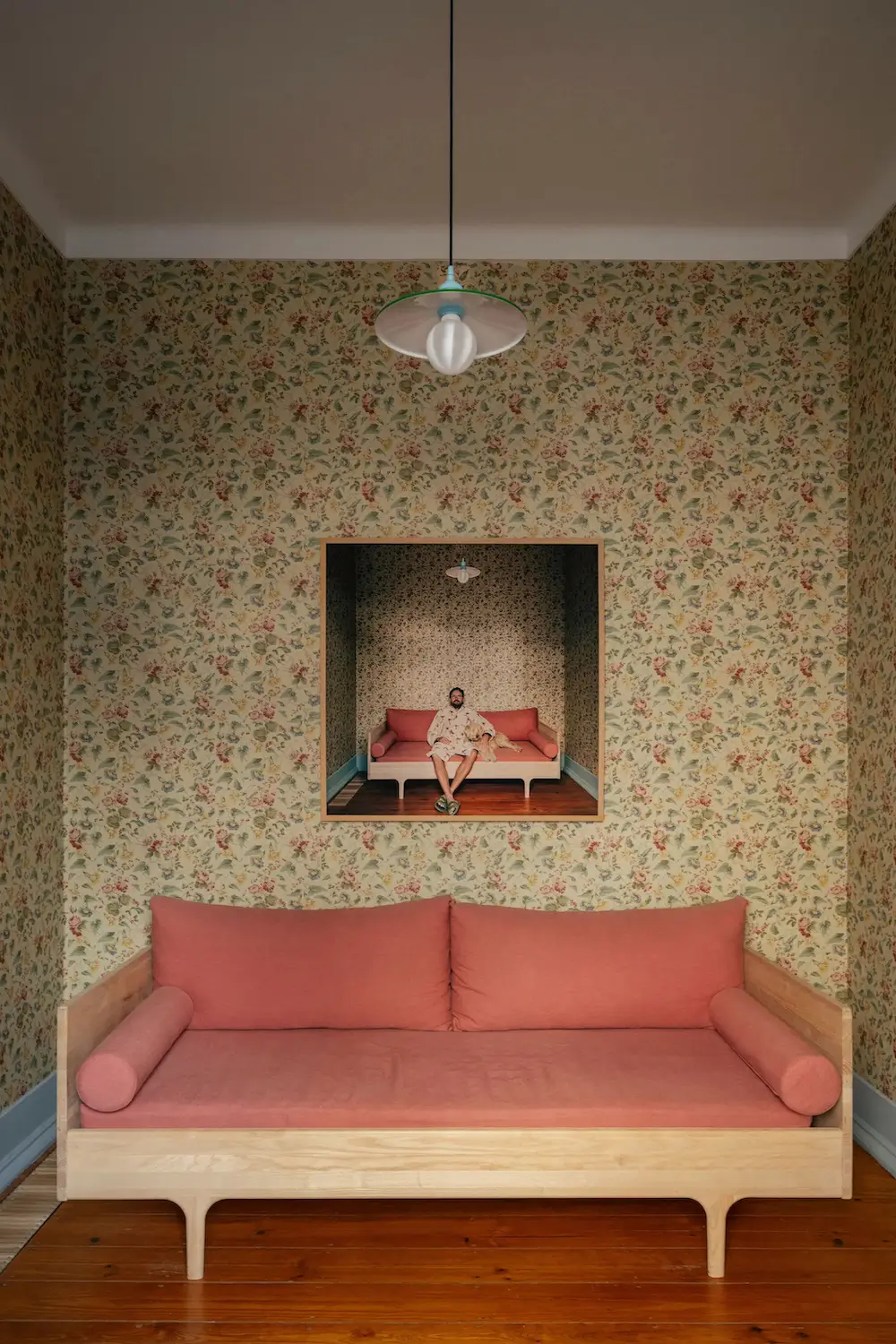
Every house has a moment that completely wins me over.
Here, it’s the small room covered in preserved floral wallpaper.
The temptation in many renovations is to strip everything back to a blank canvas. But sometimes the most meaningful design decision is knowing what not to touch.
The floral wallpaper feels delightfully old-fashioned and unexpectedly fresh at the same time. Paired with the simple daybed and pale blue trim, it creates a room that feels almost suspended in time.
It’s romantic without being sentimental.
And in a house filled with thoughtful decisions, preserving this room might be the smartest one of all.
Color Is Used Sparingly—And That’s Why It Works
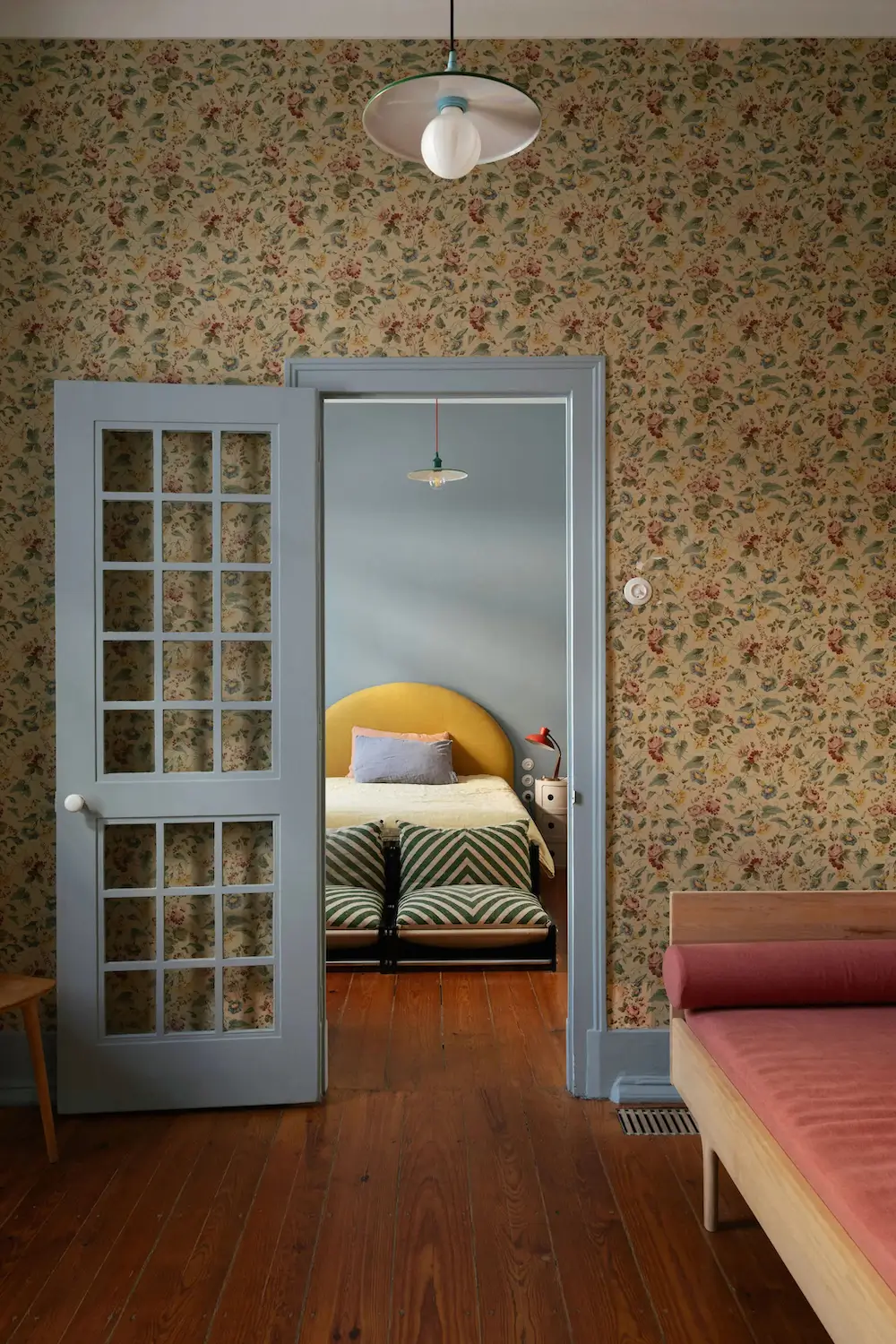
One thing that stood out throughout the house is how disciplined the color palette is.
Most of the architecture remains quiet: soft whites, pale creams, warm wood, muted blues.
Which means when color does appear, it really matters.
The green chairs in the kitchen.
The rosy daybed.
The sunny yellow headboard in the bedroom.
The graphic striped cushions at the foot of the bed.
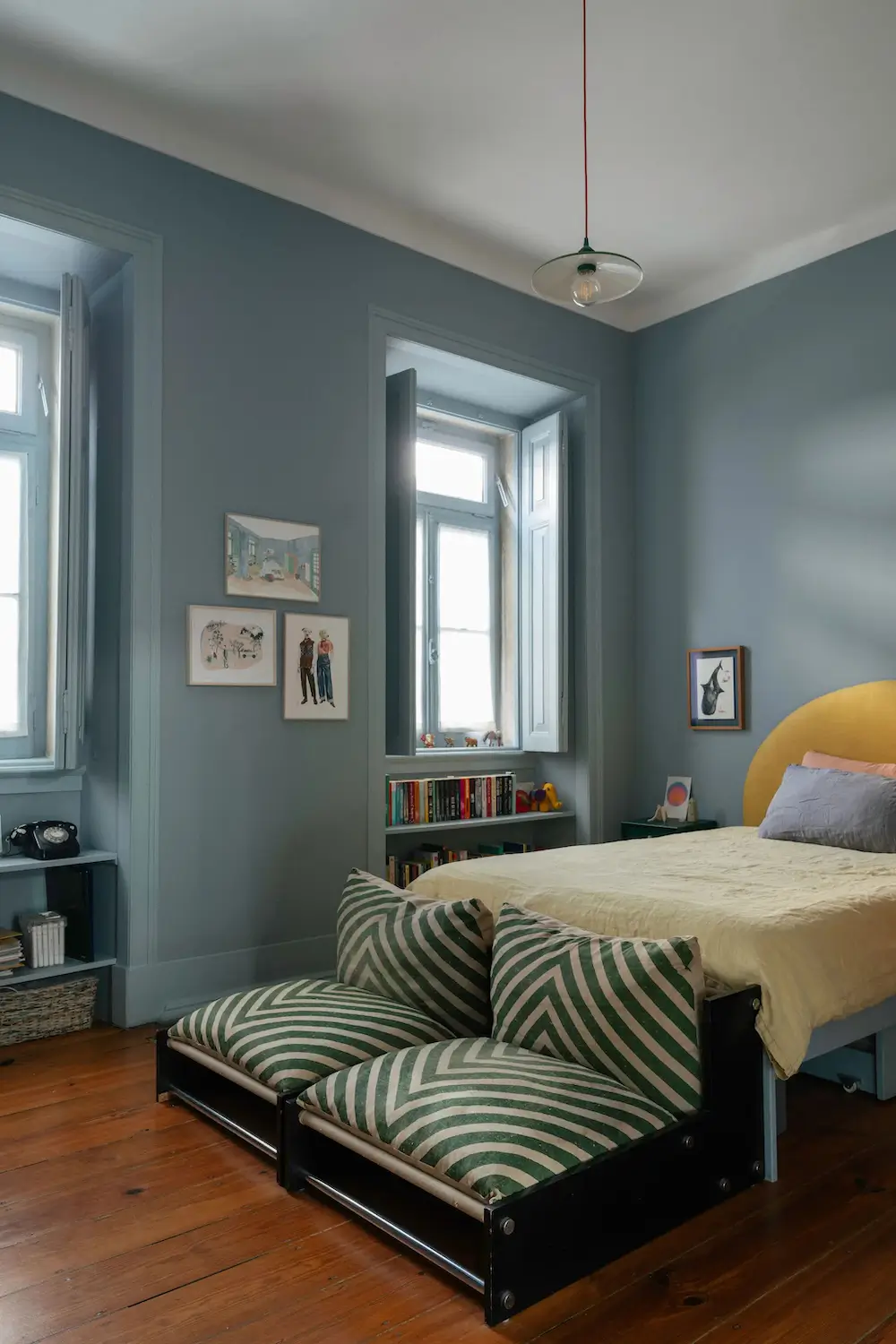
None of these moments are particularly loud. Together, though, they create a house that feels cheerful and personal without ever becoming chaotic.
A House That Still Feels Portuguese
What I appreciate most about this renovation is that it never loses sight of where it is.
The original azulejos remain central to the kitchen. Traditional materials are celebrated rather than concealed. Historic proportions are respected. Even the custom interventions feel rooted in Portuguese craftsmanship rather than imported design trends.
So many renovations today could exist anywhere in the world.
This one couldn’t.
And that’s exactly what makes it special.
The result is a rare balance: a home with contemporary comfort, generous light, and thoughtful design that still feels unmistakably Portuguese. Not frozen in the past. Not chasing the future. Just comfortably, confidently itself.
Honestly, that’s probably the hardest design style of all.
Discover more from Decoholic
Subscribe to get the latest posts sent to your email.