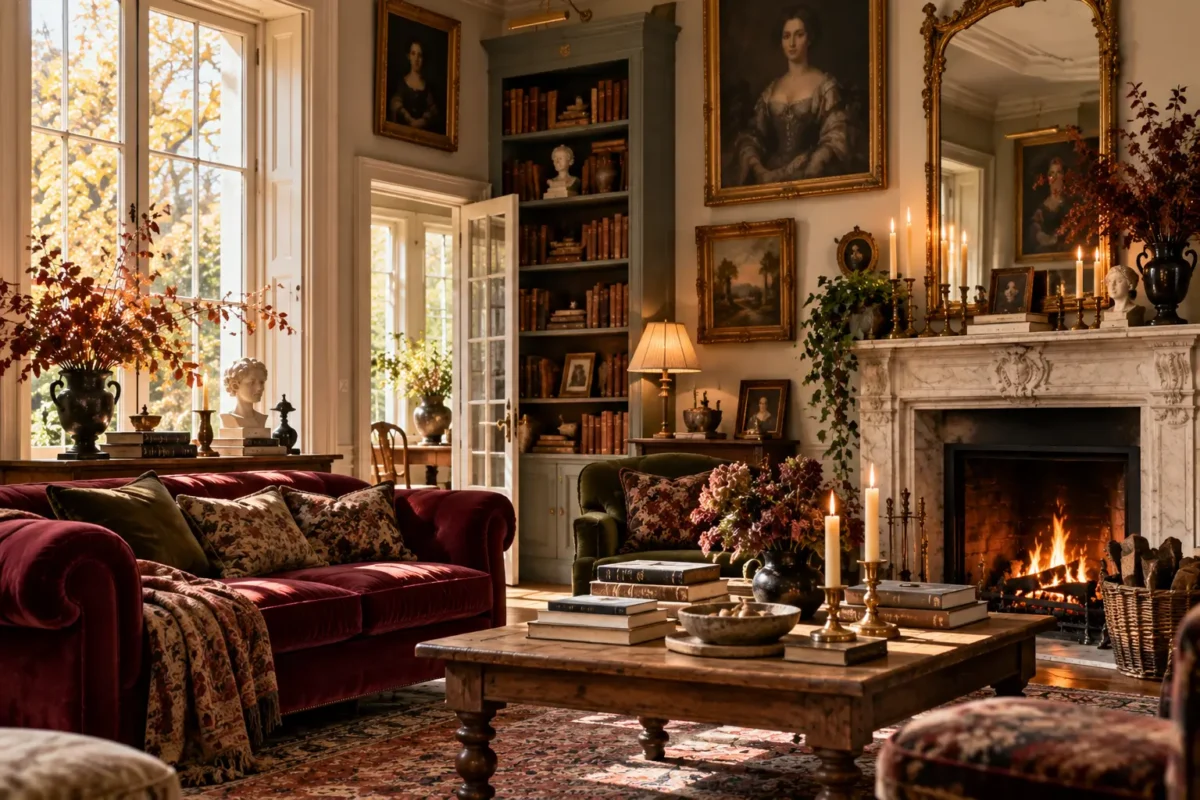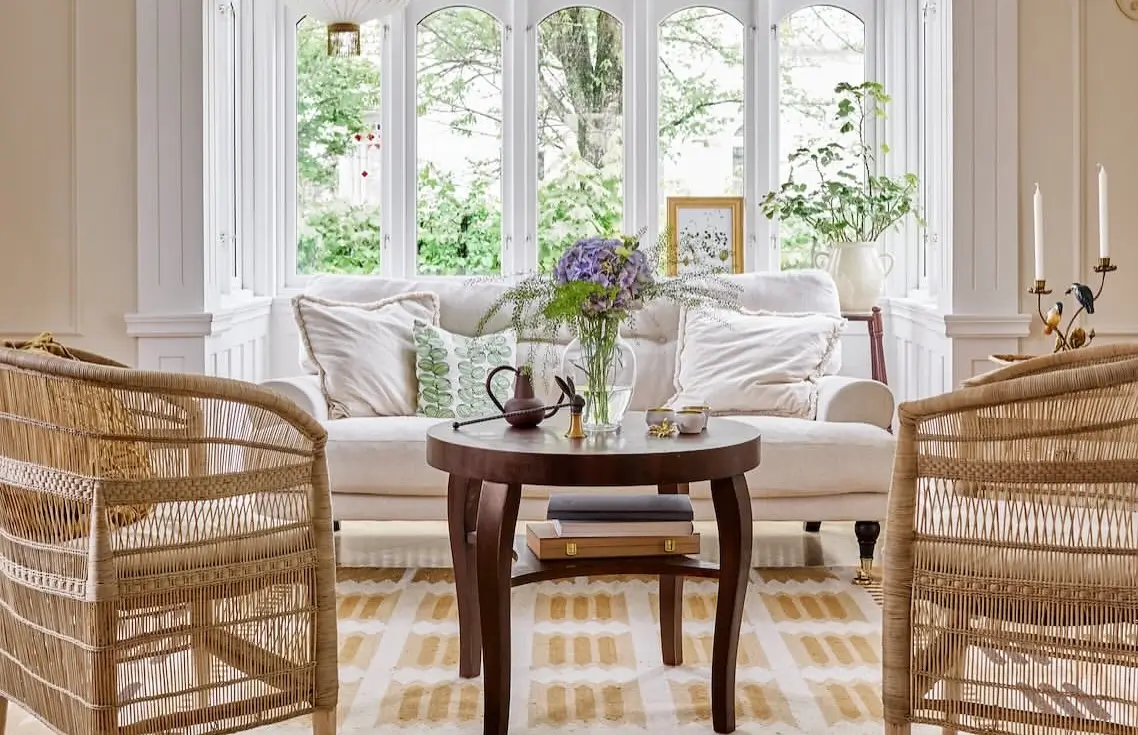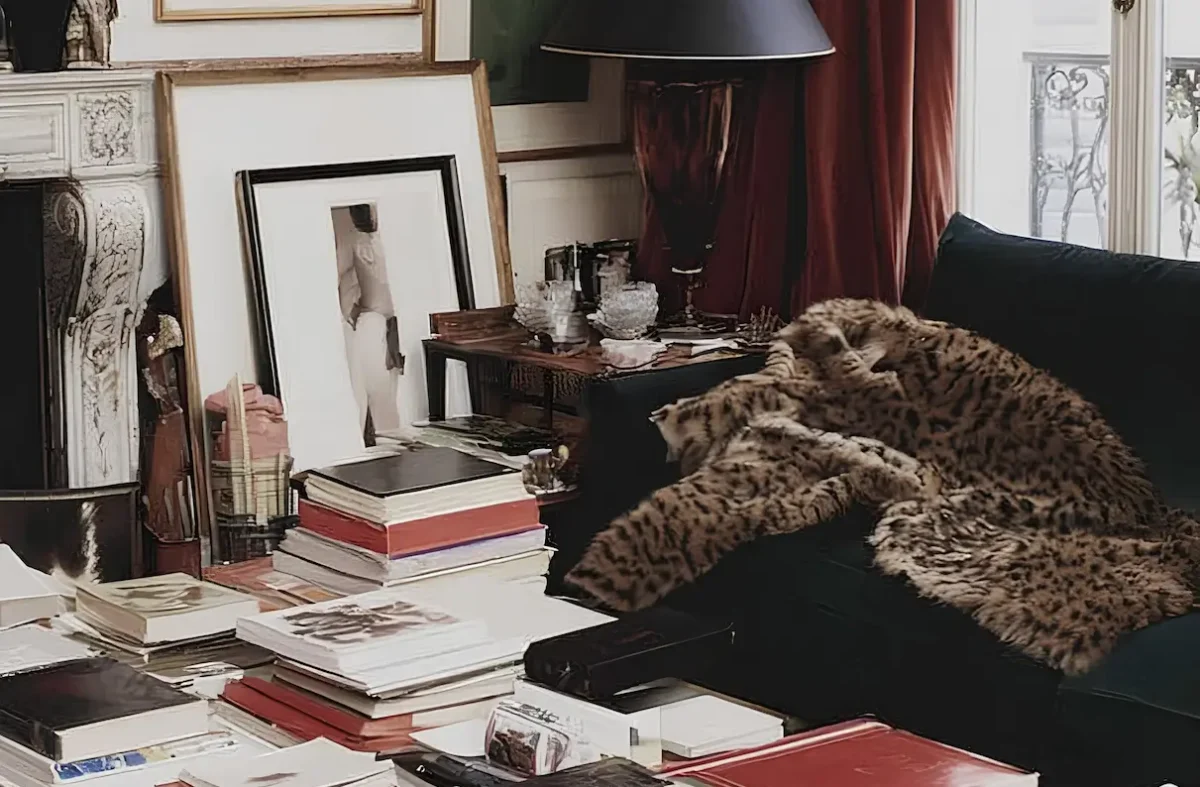
Somewhere, someone is covering a beautiful old wooden floor with gray tiles.
Someone else is tearing down original ceiling moldings to install a dropped ceiling with hidden LED lighting.
And a beautiful old solid wood door is being replaced with a cheap, mass-produced one.
The irony? Many older doors were made from solid, often high-quality timber, while plenty of affordable modern alternatives are made with MDF, particleboard, or even a cardboard honeycomb core.
We’re throwing away real wood that’s lasted a hundred years and replacing it with something that might not last nearly as long.
How exactly is that an upgrade?
I love a good renovation. I love modern kitchens, beautiful bathrooms, and homes that actually work for the people living in them.
But somewhere along the way, we seem to have decided that making a house better means making everything look new.
And I think we’re losing something wonderful in the process.
Old Architecture and Modern Furniture Are a Beautiful Combination
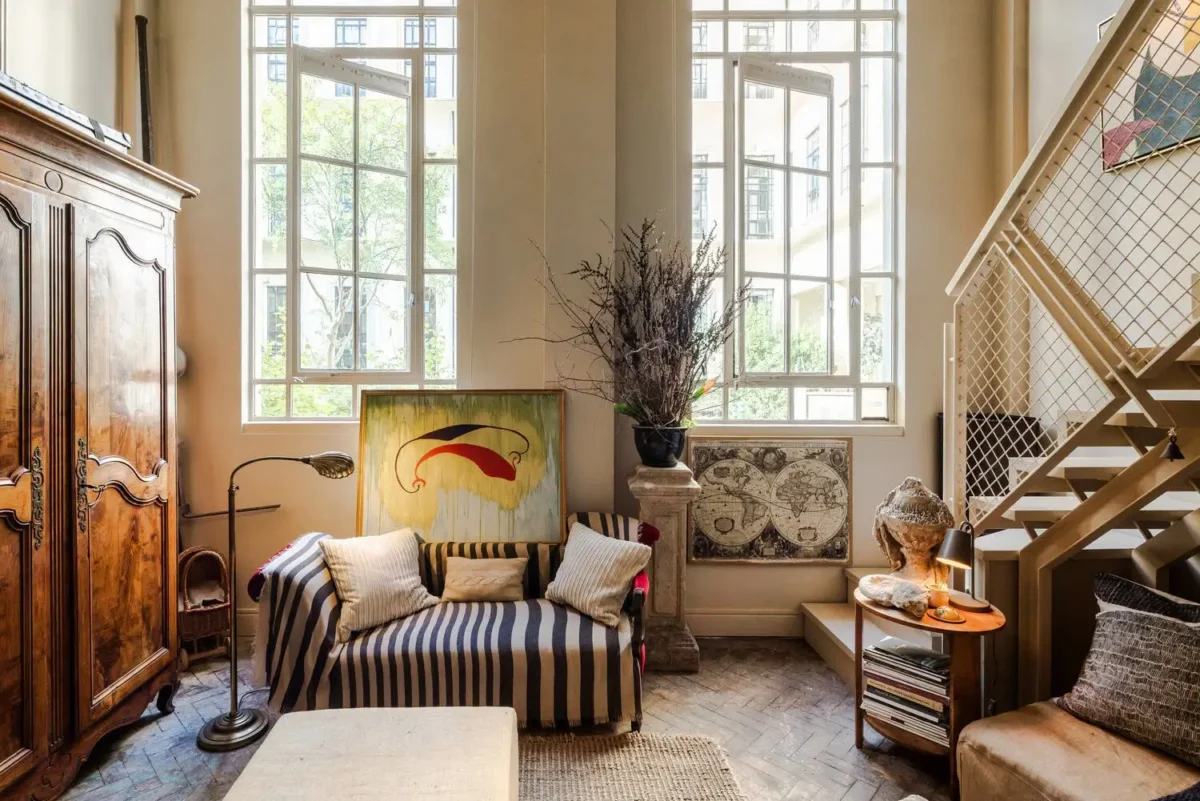
Image: Inigo
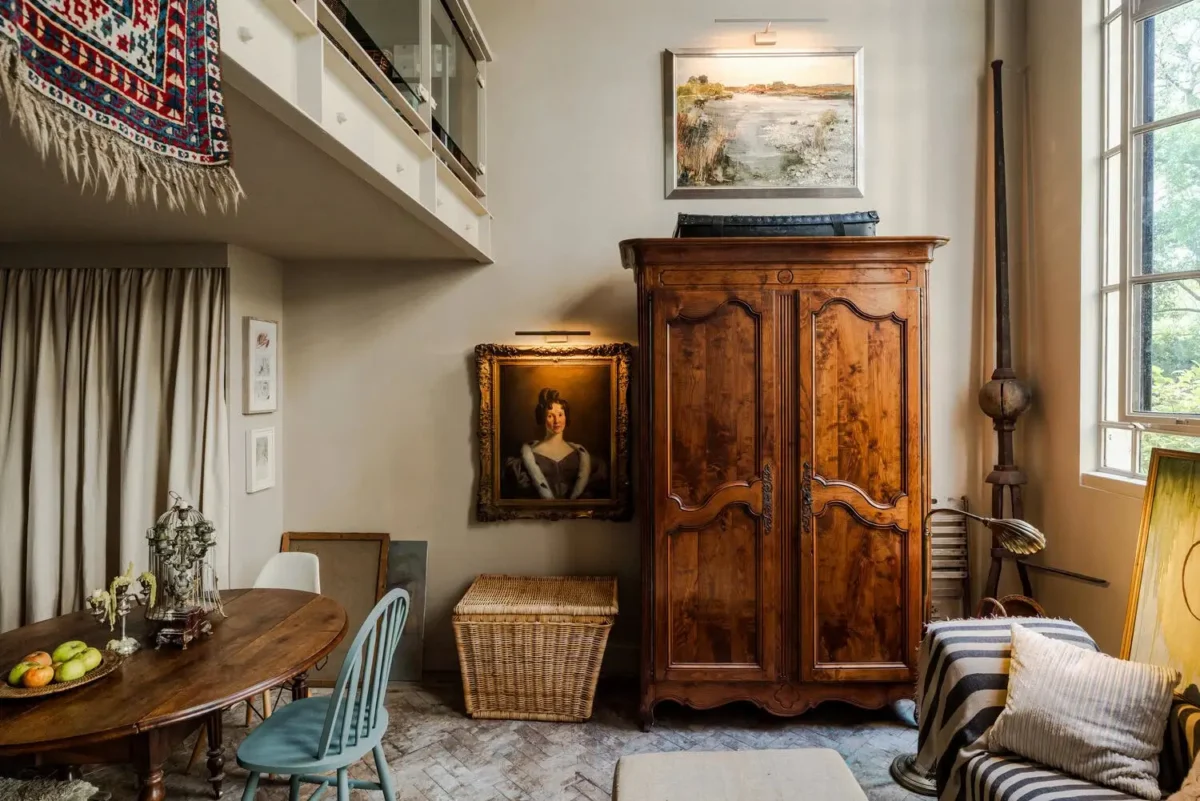
Take this duplex apartment inside the historic Beaux Arts Building in Islington, North London.
Completed around 1909 and designed in the Parisian Beaux-Arts style, the building has plenty of architectural history. But what I love about this apartment is how comfortably the old and new live together.
Tall windows, a wonderfully worn floor, an antique wooden armoire, a striped sofa, contemporary artwork, and a modern metal staircase.
The antique armoire looks wonderful beside the modern staircase. The striped sofa works with the old artwork.
Nobody seems concerned about sticking to one period.
And that’s the point.
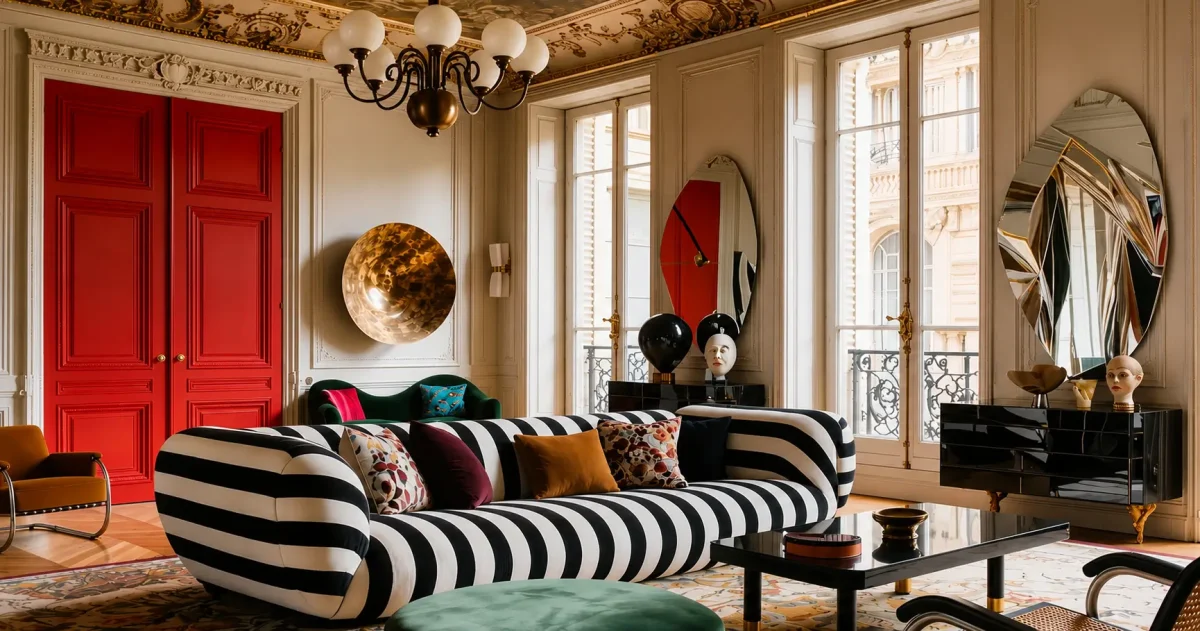
An old house doesn’t need to be furnished like an antique shop.
A modern sofa can look incredible against decorative moldings. Contemporary art can bring an old fireplace to life. A simple dining table can look beautiful beneath an elaborate ceiling.
The contrast is often what makes the room interesting. It’s exactly the kind of balance I wish we’d see more often.
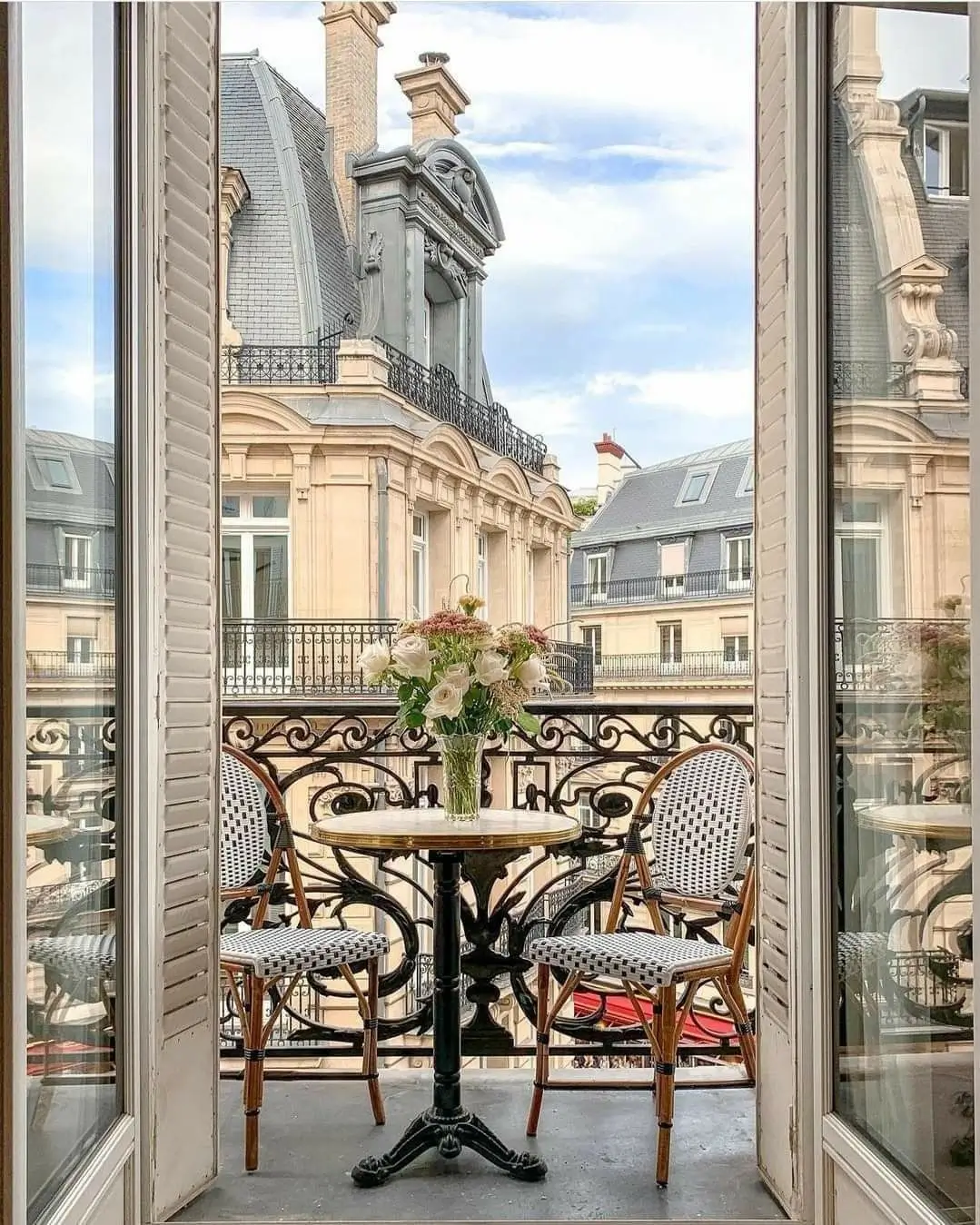
This Haussmannian apartment in Paris is another lovely example of how vintage and contemporary design can work together without sacrificing the character of an older space.
1. Please Don’t Cover Beautiful Wood Floors With Tile
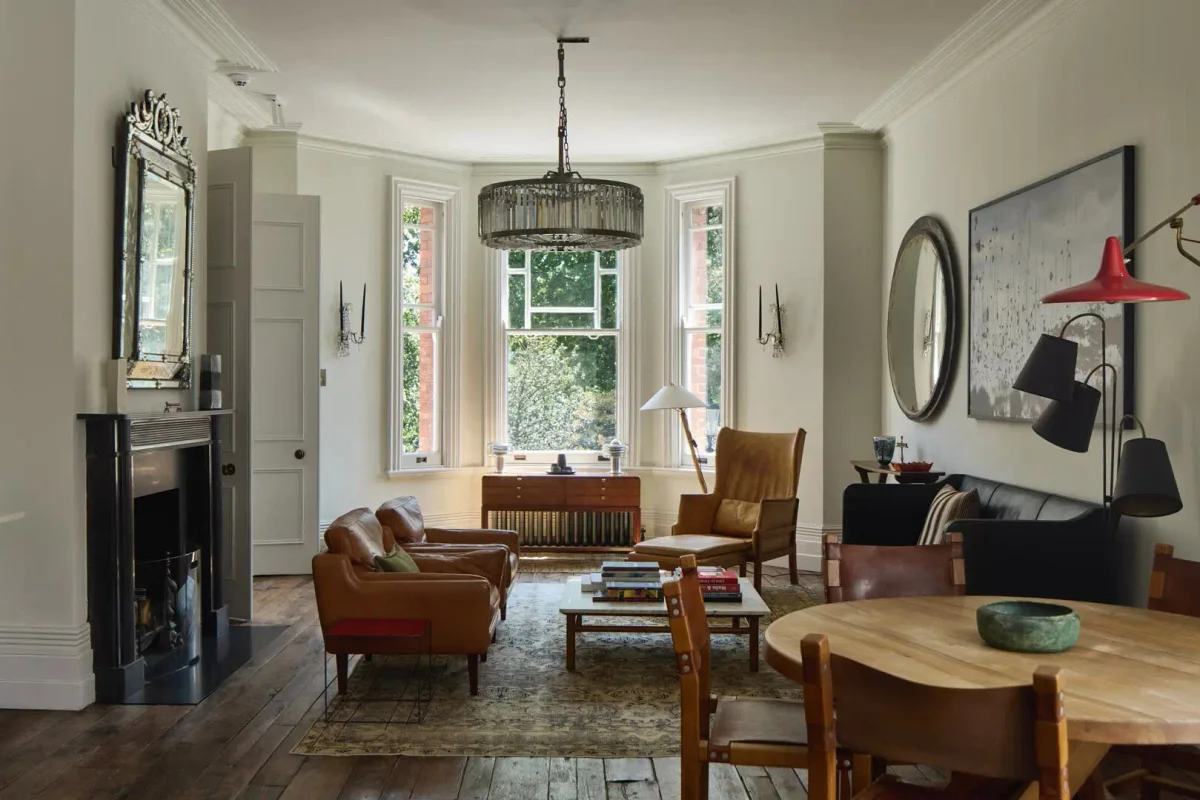
Image: Inigo
Old wooden floors are one of the first things I’d try to save in a renovation.
Scratches, uneven colors, and a little wear aren’t necessarily problems. They’re part of what makes the floor interesting.
Before covering old boards with tile or laminate, ask a flooring specialist whether they can be repaired. Loose boards can often be secured, damaged sections replaced, and worn surfaces refinished.
You don’t need to sand away every sign of age, either.
A natural matte finish can look beautiful, especially when the wood has developed a little character over the years.
Of course, serious rot or structural damage is another matter.
But a scratched floor isn’t automatically a floor that needs replacing.
2. Think Twice Before Removing Original Moldings
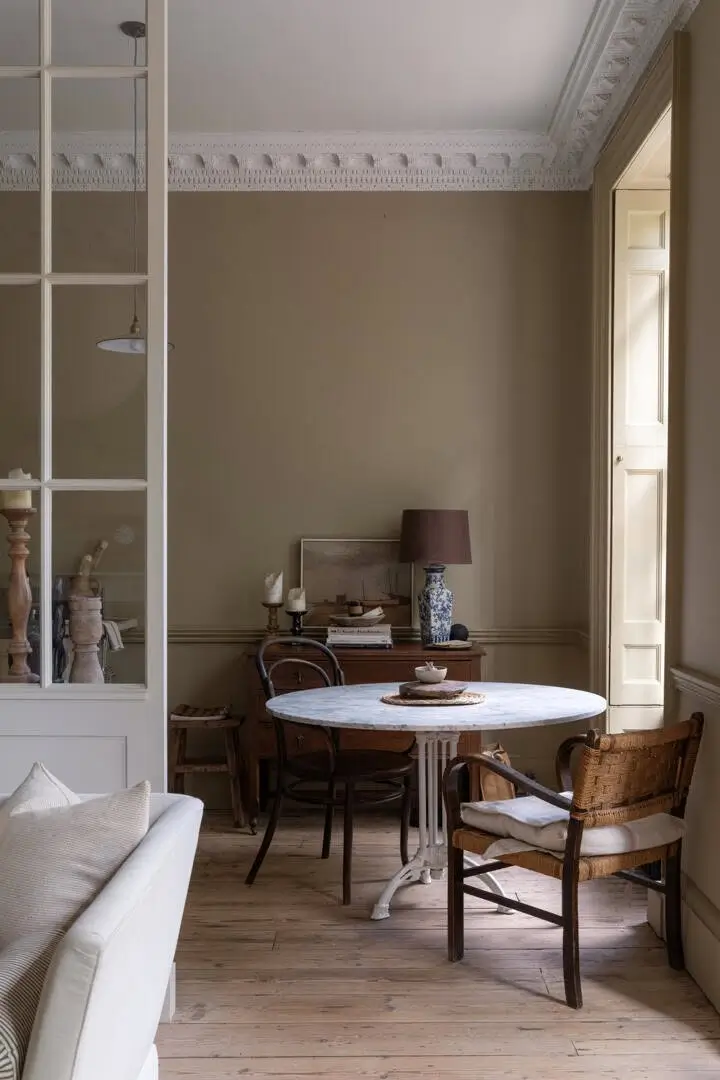
Image: Inigo
I have seen beautiful old ceilings stripped of their decorative plasterwork, only to be replaced with flat plasterboard and rows of recessed spotlights.
And I always wonder why.
Original cornices, ceiling roses, and decorative moldings can be expensive to recreate. They also give a room proportions and details that modern construction often lacks.
If the plasterwork is damaged, a specialist may be able to repair it.
And if you need better lighting, try wall sconces, picture lights, a beautiful pendant, or discreet modern fixtures before deciding to rebuild the entire ceiling.
Not every room needs a glowing LED border.
Sometimes the ceiling was already beautiful.
3. Keep the Old Doors and Windows When You Can
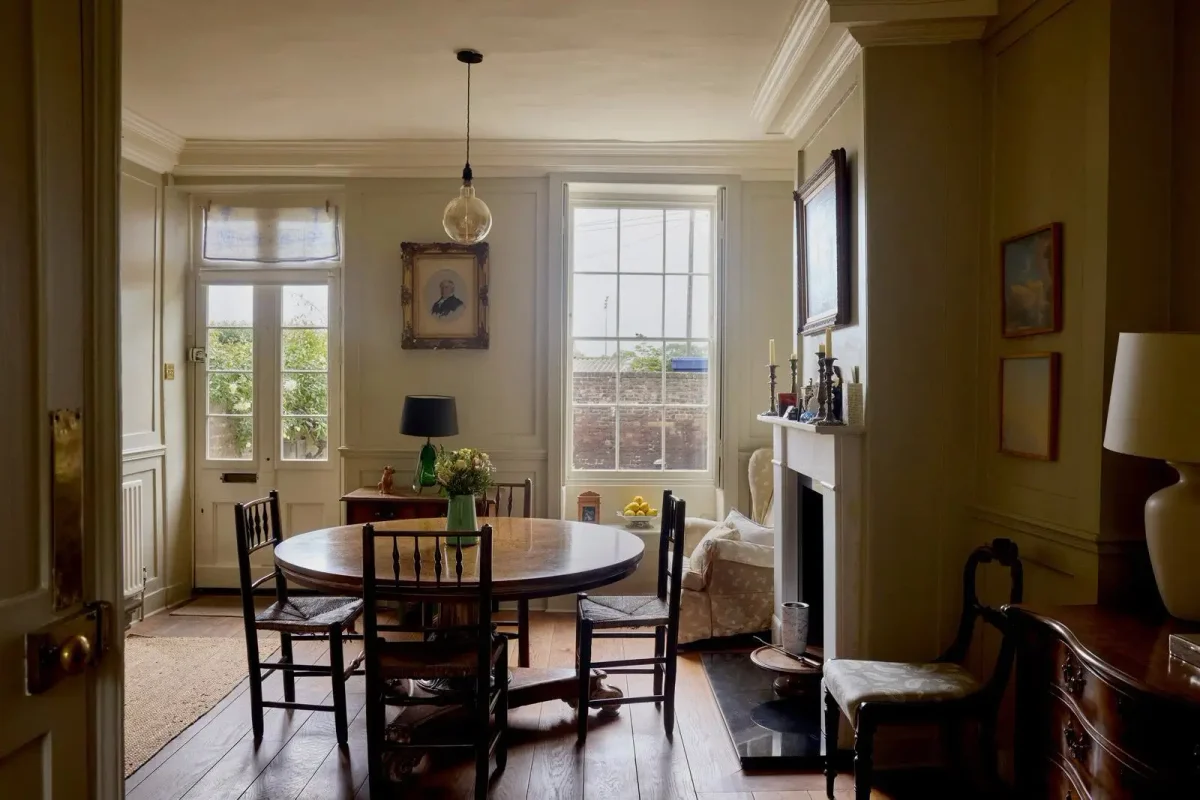
Image: Inigo
A solid wood door with original panels and brass hardware can be worth keeping, even if it needs a little attention.
Sticking doors can often be adjusted. Damaged wood may be repaired. Old handles can be restored or replaced.
The same goes for original windows.
Yes, old windows can be drafty. But weatherstripping, repairs, and secondary glazing may improve comfort without sacrificing their proportions and character.
Have them assessed before ordering replacements.
And if you’re renovating a historic or protected property, check which alterations are permitted.
Once those original details are gone, getting the same look back isn’t always easy.
Before You Rip Something Out, Ask One Question
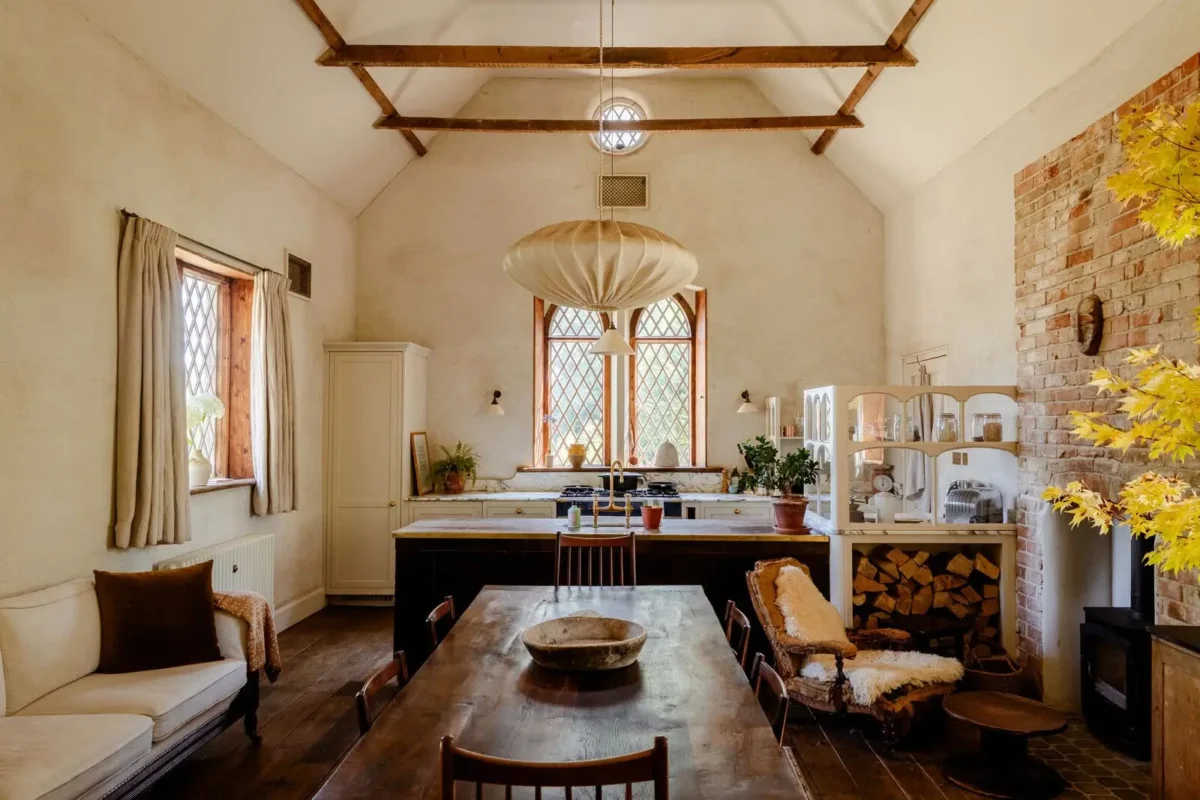
Image: Inigo
Can it be saved?
Not everything can, and not everything should.
But before replacing original floors, doors, windows, or plasterwork, find out what restoration would involve. Get a quote. Talk to someone who understands older buildings.
Sometimes repairing an original feature costs more than replacing it. Sometimes it costs less. Either way, it’s worth knowing your options.
Because trends change.
The gray tiles, the fashionable lighting, the kitchen cabinets everyone wants this year — they’ll all have their moment.
But beautiful old architecture has already survived decades of changing tastes.
And when you pair it with modern furniture, good lighting, and a little personality, it can look better than ever.
It’s something I’ve been thinking about a lot lately: why do so many homes look the same when the most interesting interiors are usually the ones that embrace individuality?
Your home doesn’t need to look new to look beautiful. And a good renovation should never make you forget what made you fall in love with it in the first place.
Discover more from Decoholic
Subscribe to get the latest posts sent to your email.