
What happens when a heritage-protected home meets modern design ingenuity? You get an interior that celebrates history while embracing contemporary comfort. This stunning renovation, guided by an interior architect, proves that historic homes don’t have to feel like museums. Instead, they can become soulful, functional spaces where tradition and innovation live side by side.
Images: BO BEDRE
The Challenge: Keeping Character While Adding Comfort

Designing a verneverdige (heritage-protected) home isn’t for the faint of heart. There are rules, restrictions, and above all—a responsibility to preserve the soul of the building. But these constraints sparked creativity rather than stifling it.

Key challenges included:
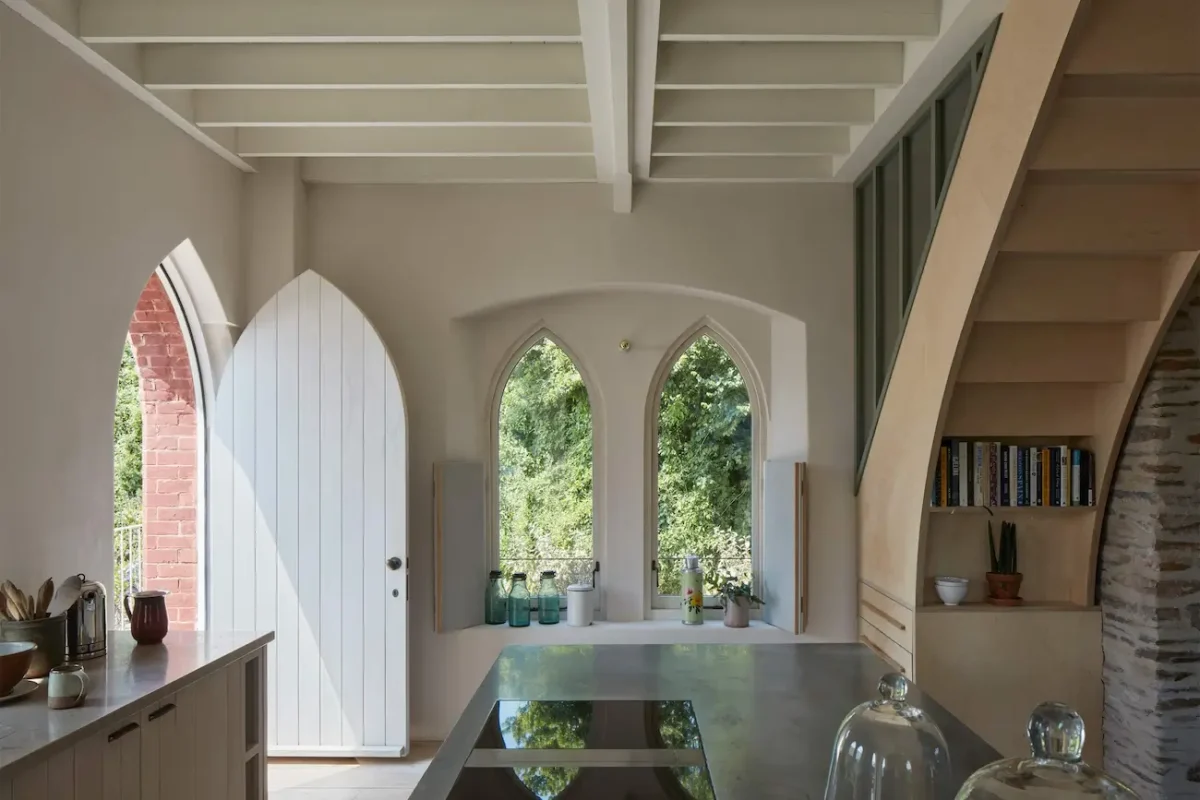
- Maintaining original architecture: Structural elements like beams, ceiling details, and window frames had to stay.
- Introducing functionality for today’s living: Modern families need open spaces, storage, and energy efficiency.
- Adding personality without overpowering history: The design had to feel fresh without erasing heritage.
Here’s Why Benjamin Moore’s Pale Oak Is Interior Designer’s Favorite Paint Color
Design Strategies That Made It Work
1. A Warm Color Palette for Cold Architecture

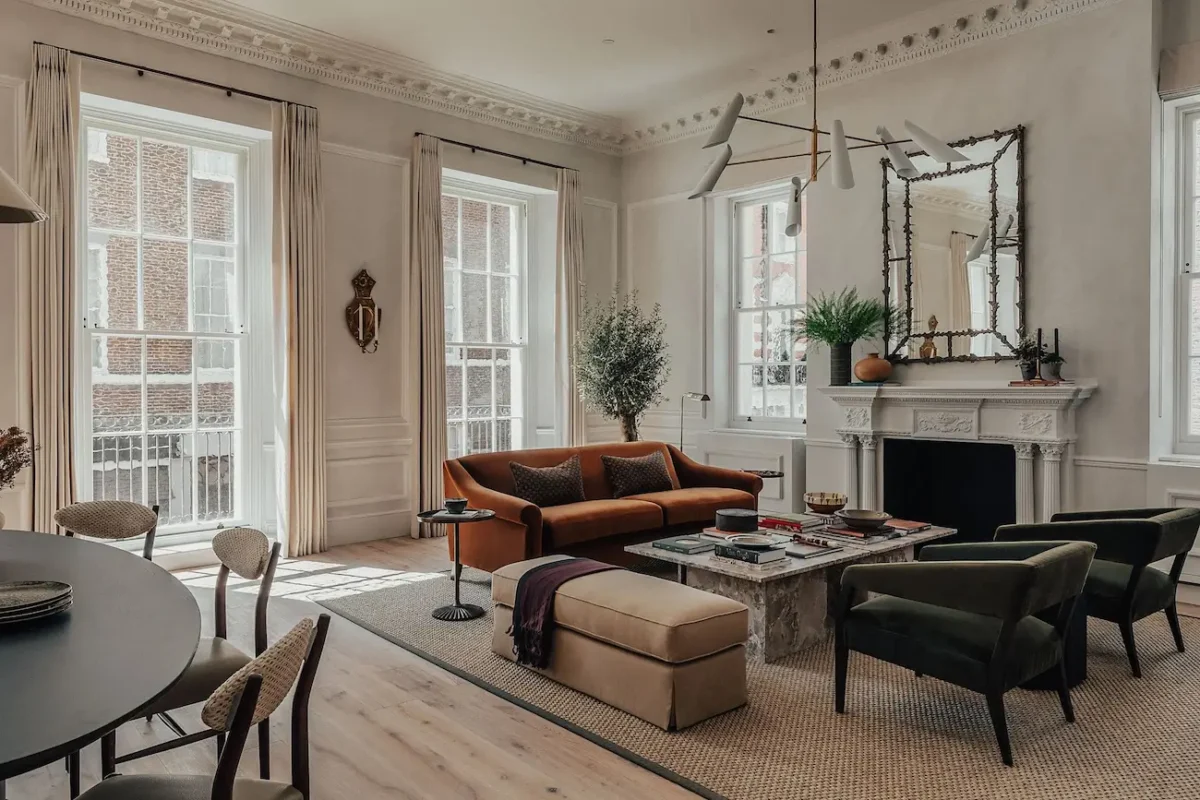
Historic homes often have grand proportions and cooler materials like stone and plaster. While beautiful, these can feel austere. The solution? Warm, inviting tones.
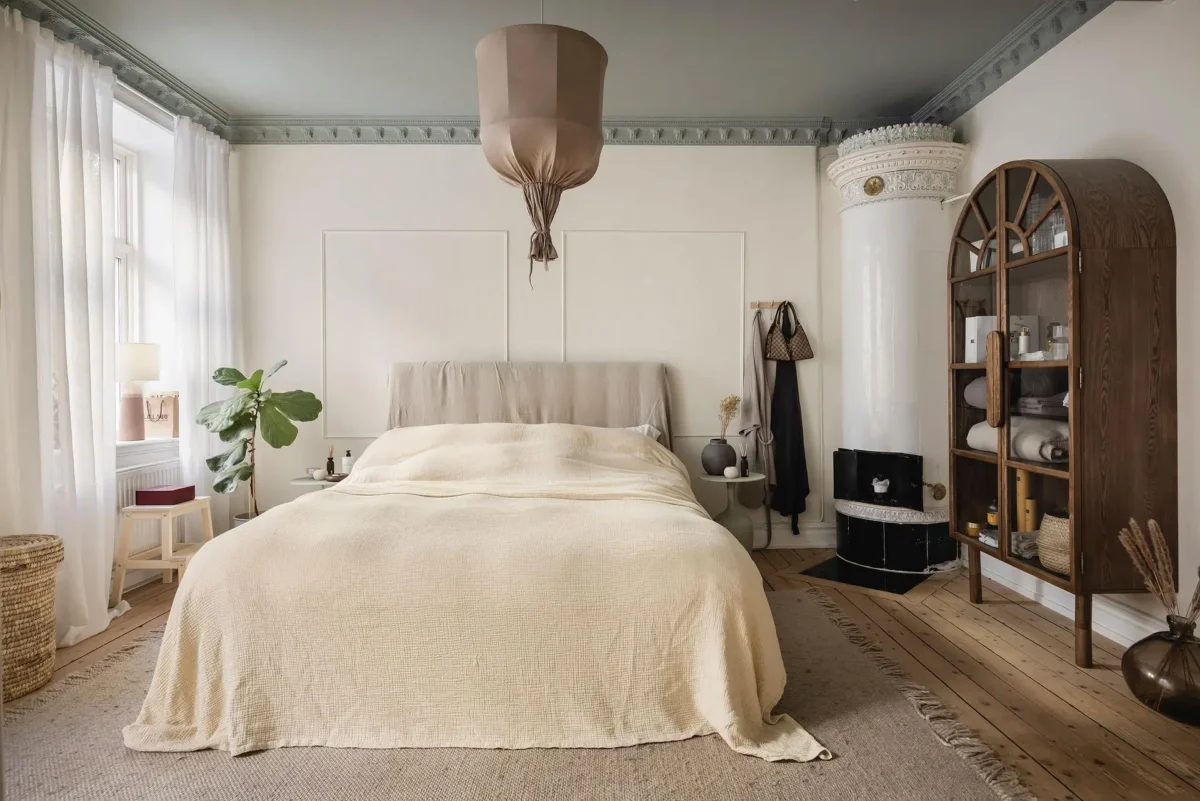
- Earthy hues—beiges, soft taupes, and muted greens—set a calming backdrop.
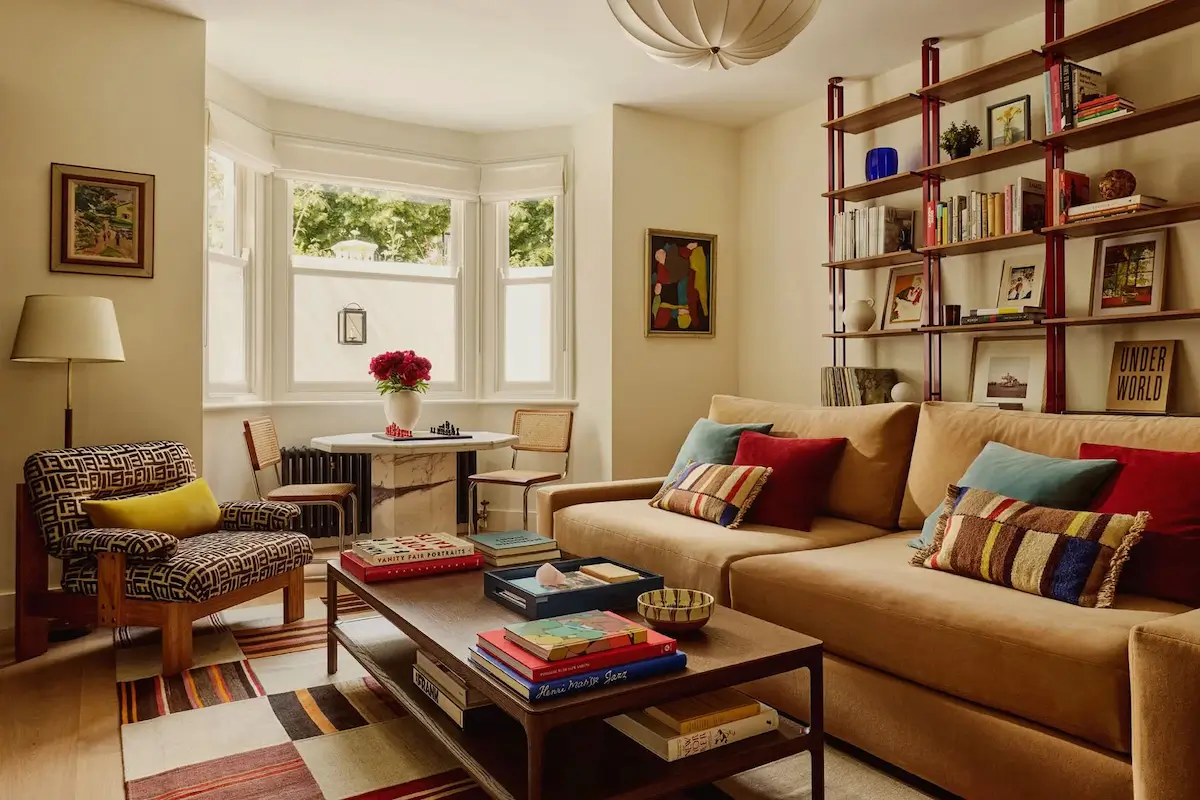
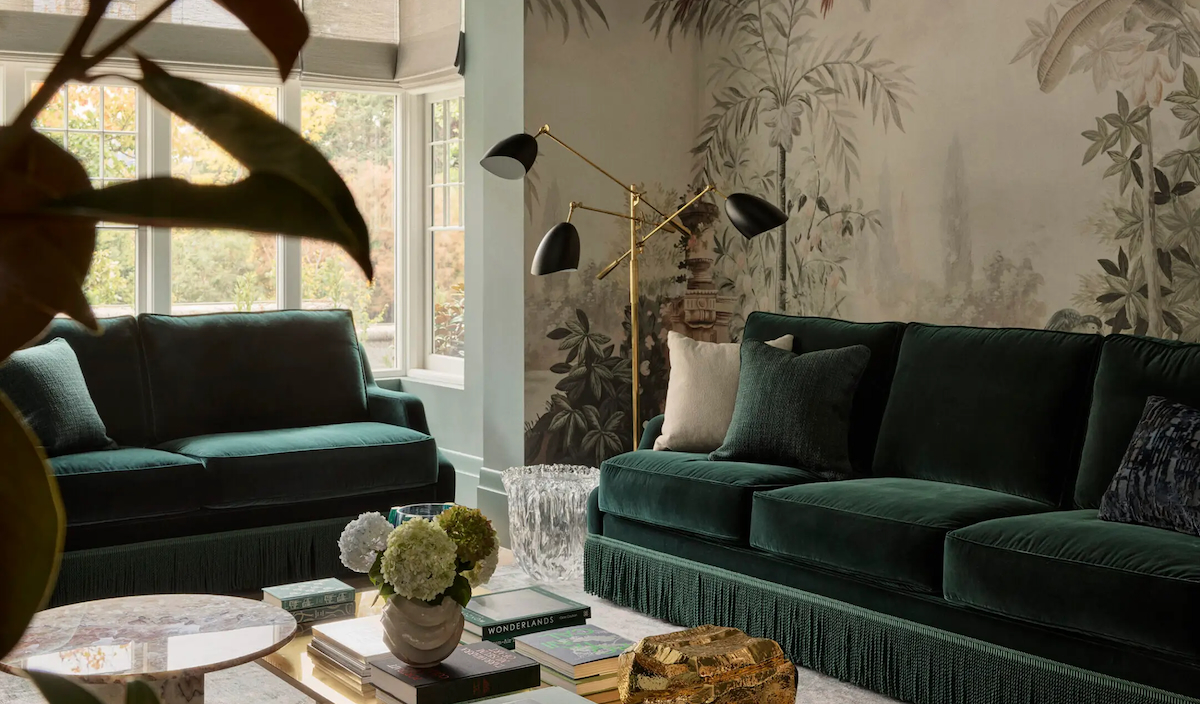
- Layered textiles—linen curtains, wool rugs, and tactile cushions—soften hard edges and add coziness.
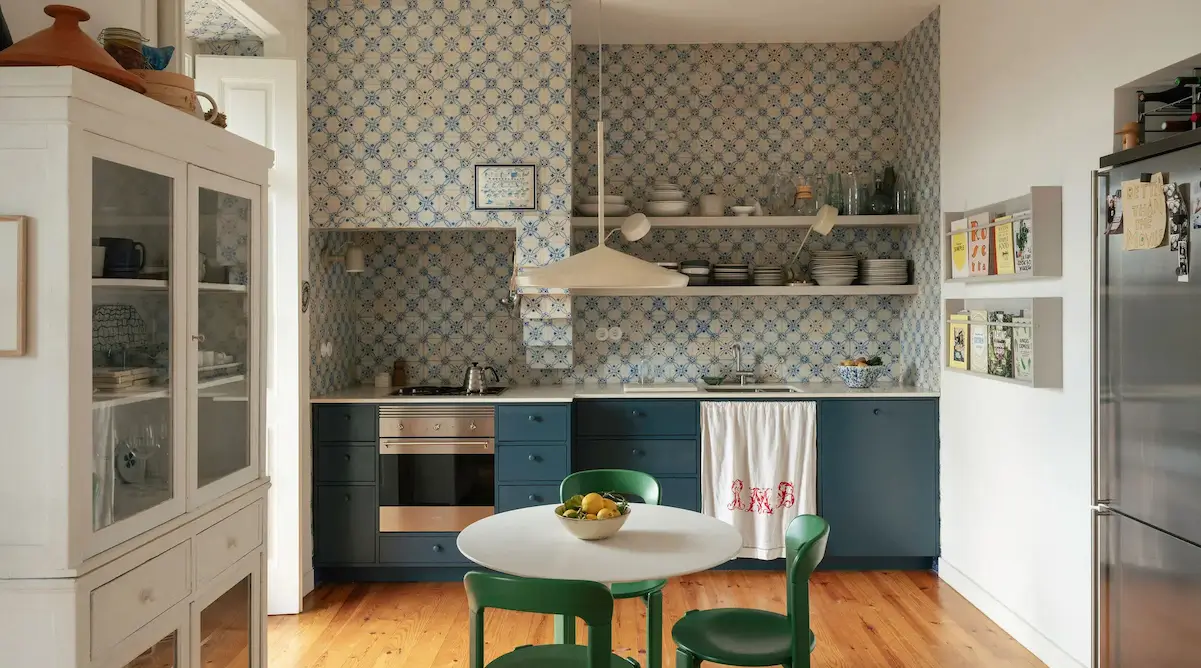
- Contrast with dark accents: Black-framed doors and iron fixtures bring definition without feeling harsh.
2. Lighting as the Home’s Jewelry

Lighting wasn’t an afterthought—it was a design statement. The interior architect used it to highlight the home’s architectural beauty while creating intimacy.
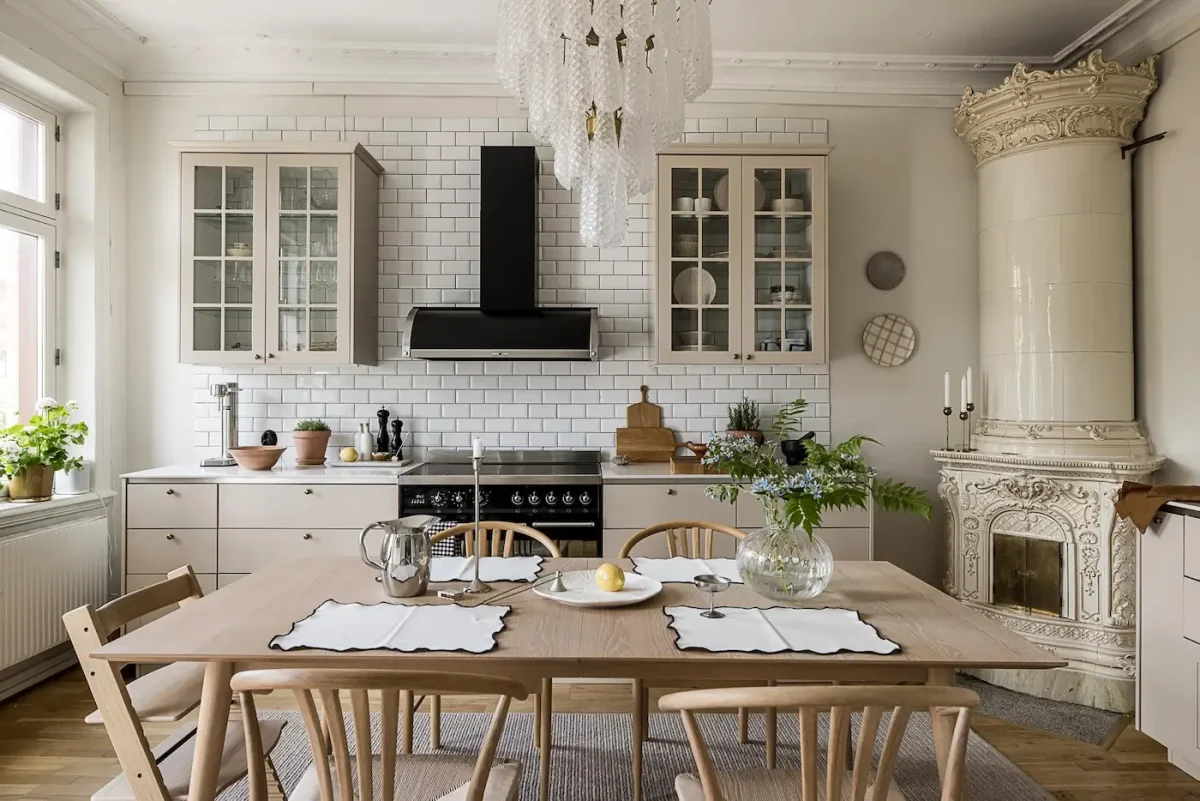
- Oversized pendant lamps in the dining area draw the eye upward, celebrating lofty ceilings.
- Warm LED bulbs add golden tones to balance cool daylight.
- Wall sconces and table lamps create pools of light for cozy evenings.
3. Furniture That Bridges Eras
Instead of going purely modern or purely traditional, the design team curated furniture that harmonized both worlds.
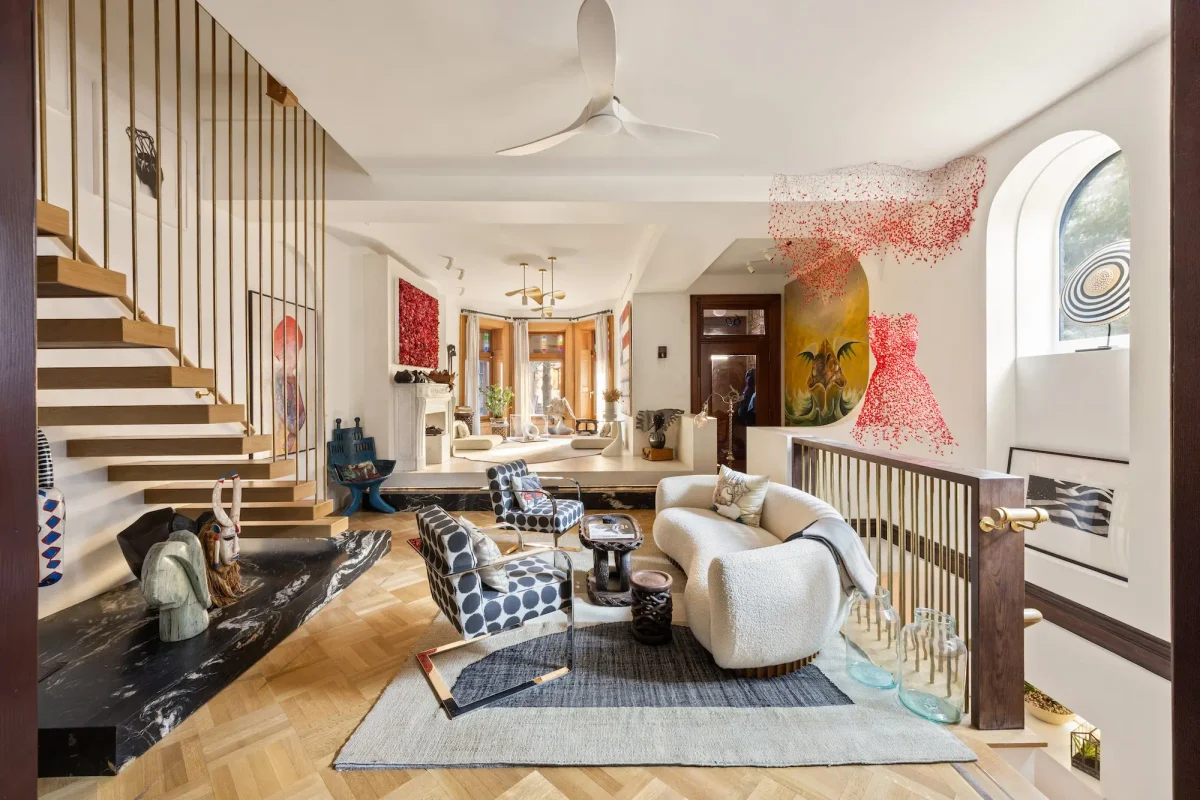
- Mid-century classics (like iconic Scandinavian chairs) pair beautifully with streamlined contemporary sofas.
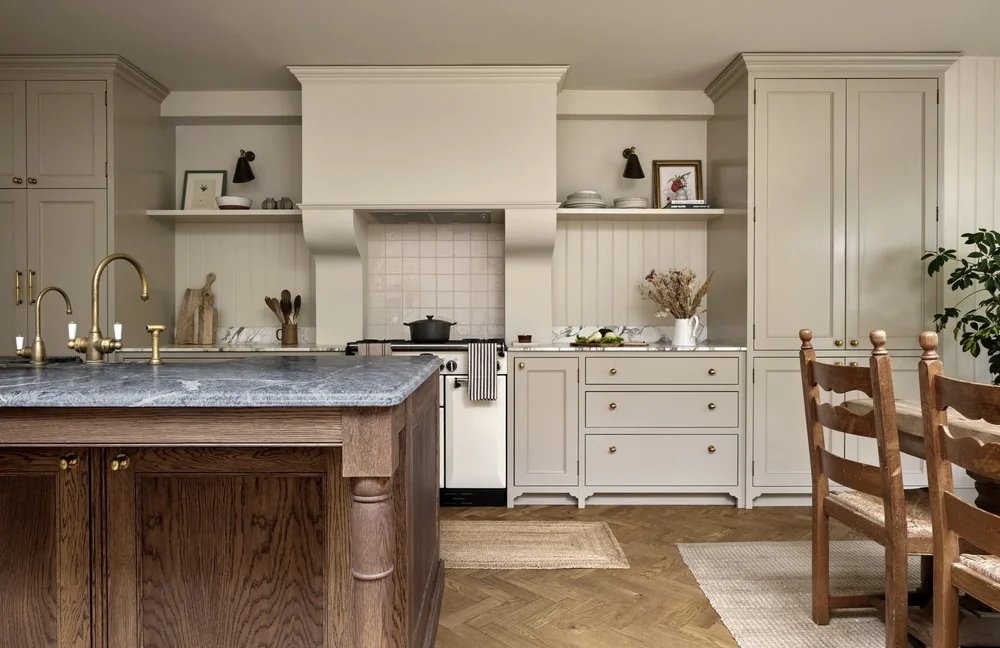
- Custom cabinetry respects original symmetry while introducing hidden storage for clutter-free living.
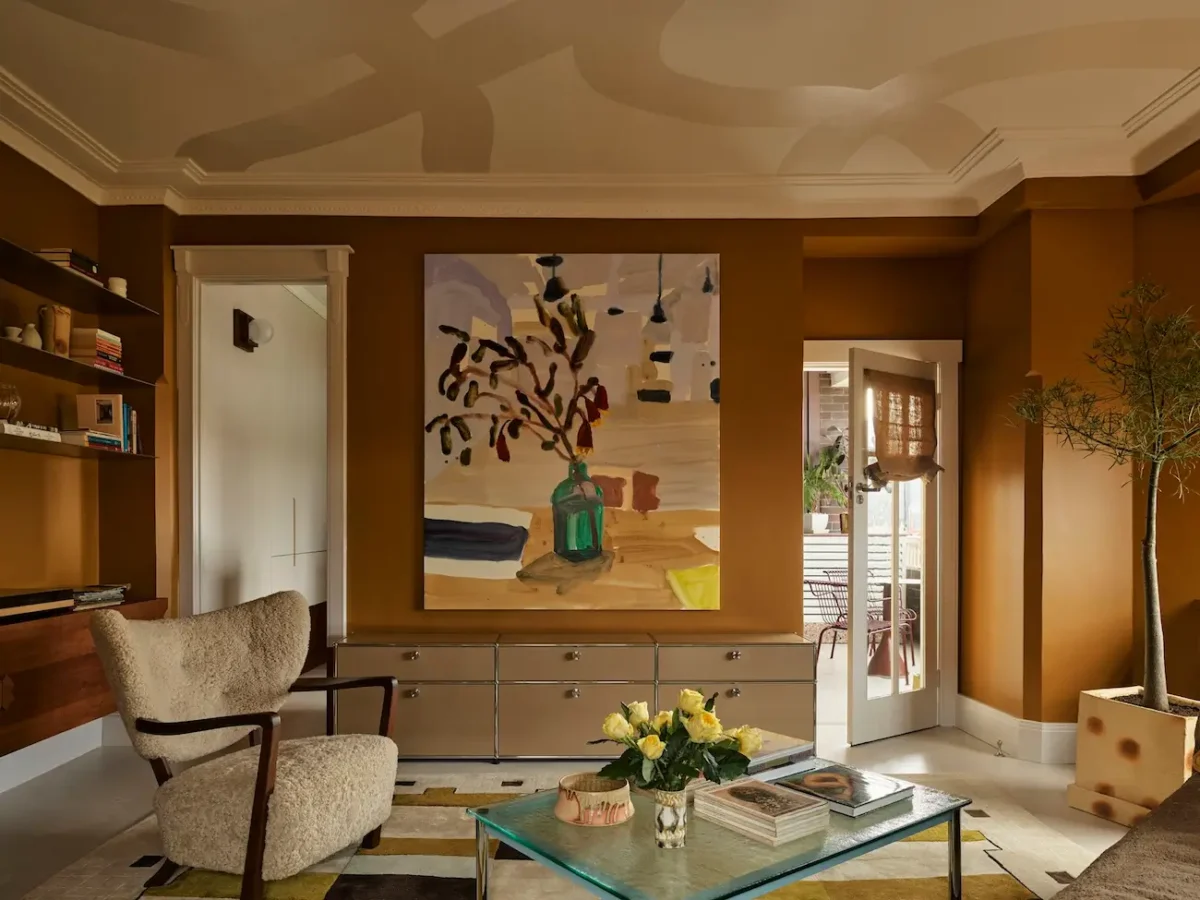
- Statement pieces—like a modern coffee table on an antique rug—add tension and personality.
4. Natural Materials for a Calming Flow
One of the most powerful design decisions? Using organic materials to create a seamless connection between past and present.

- Natural Stone countertops in the kitchen nod to historic durability while feeling contemporary.
- Untreated wood details keep the design grounded and tactile.
5. Personal Touches to Make It Feel Like Home

A historic property can feel intimidating—almost too precious to live in. To counter this, personal touches were layered in:
- Art with personality—abstract prints beside heritage portraits create conversation.
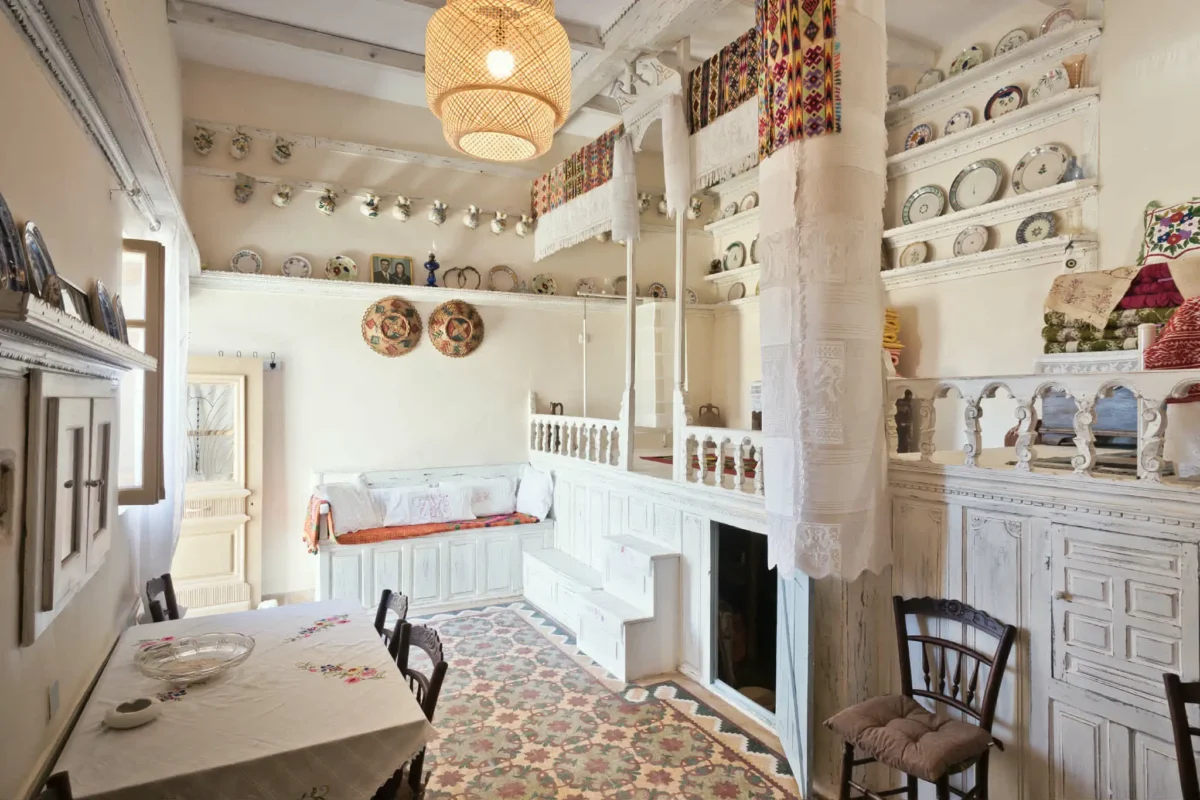
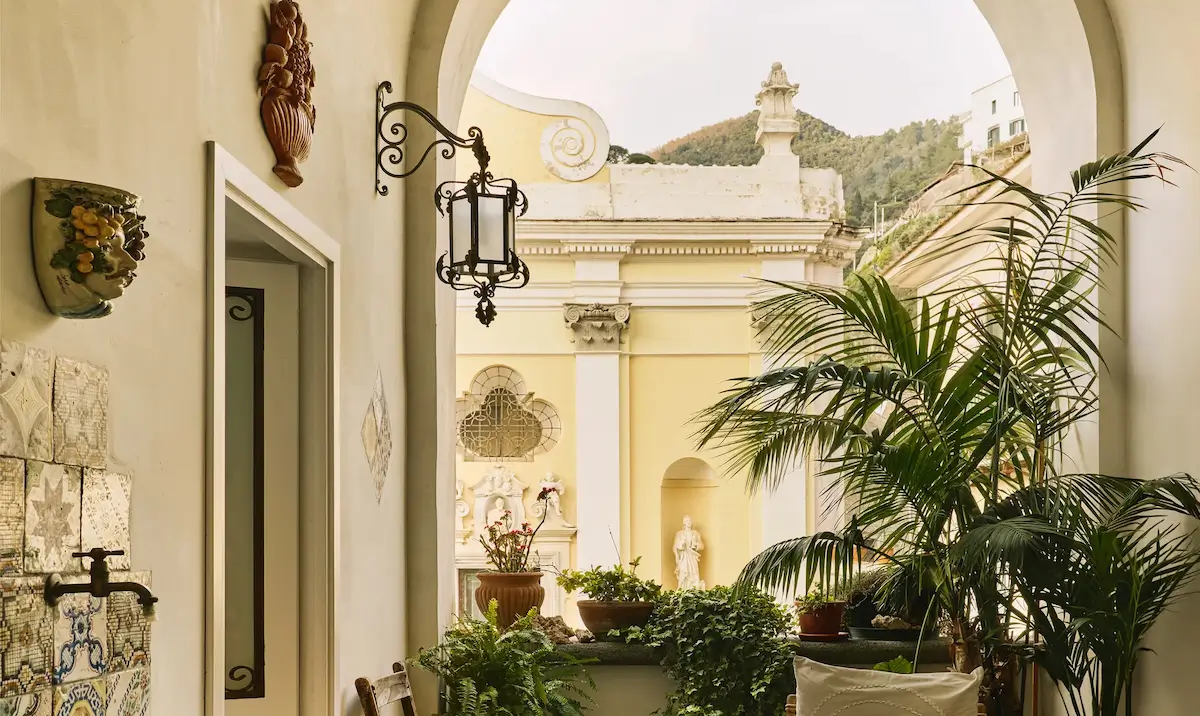
- Handmade ceramics and woven baskets add a lived-in, collected-over-time feeling.
- Family heirlooms integrated seamlessly with modern décor ensure authenticity.
Personal Reflection: Why This Project Speaks to Me

As someone who believes that interiors should tell a story, this transformation resonates deeply. There’s a fine line between preserving history and living in it—and this home gets it just right. It’s proof that design isn’t about trends; it’s about creating spaces that feel as warm as they are timeless.
Practical Tips for Your Own Heritage-Inspired Design

Want to bring the same warmth and character into your home—even if it’s not a listed building? Try these tips:
- Start with the bones: Highlight original features rather than hiding them.
- Warm it up: Layer textures and warm tones to soften hard surfaces.
- Choose lighting like jewelry: Use statement pieces to add character.
- Mix, don’t match: Combine vintage finds with modern lines for balance.
- Add soul: Display personal objects that tell your story.
The Takeaway: Heritage and Modernity Can Coexist


This home proves that when design is thoughtful, respectful, and creative, old and new don’t clash—they complement each other. Whether you live in a 19th-century farmhouse or a city apartment, these principles apply: honor the past, embrace the present, and create spaces that truly feel like home.
Discover more from Decoholic
Subscribe to get the latest posts sent to your email.