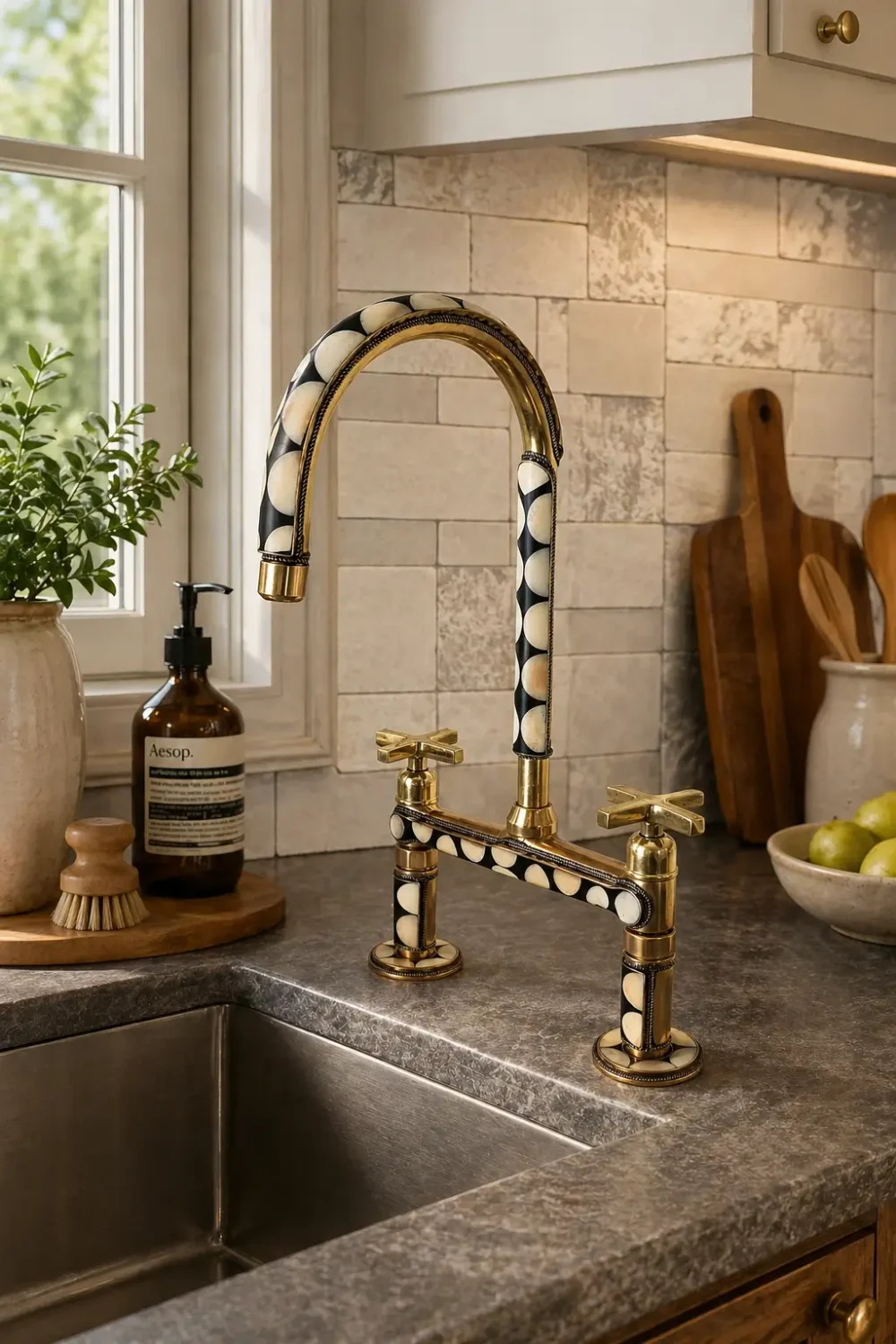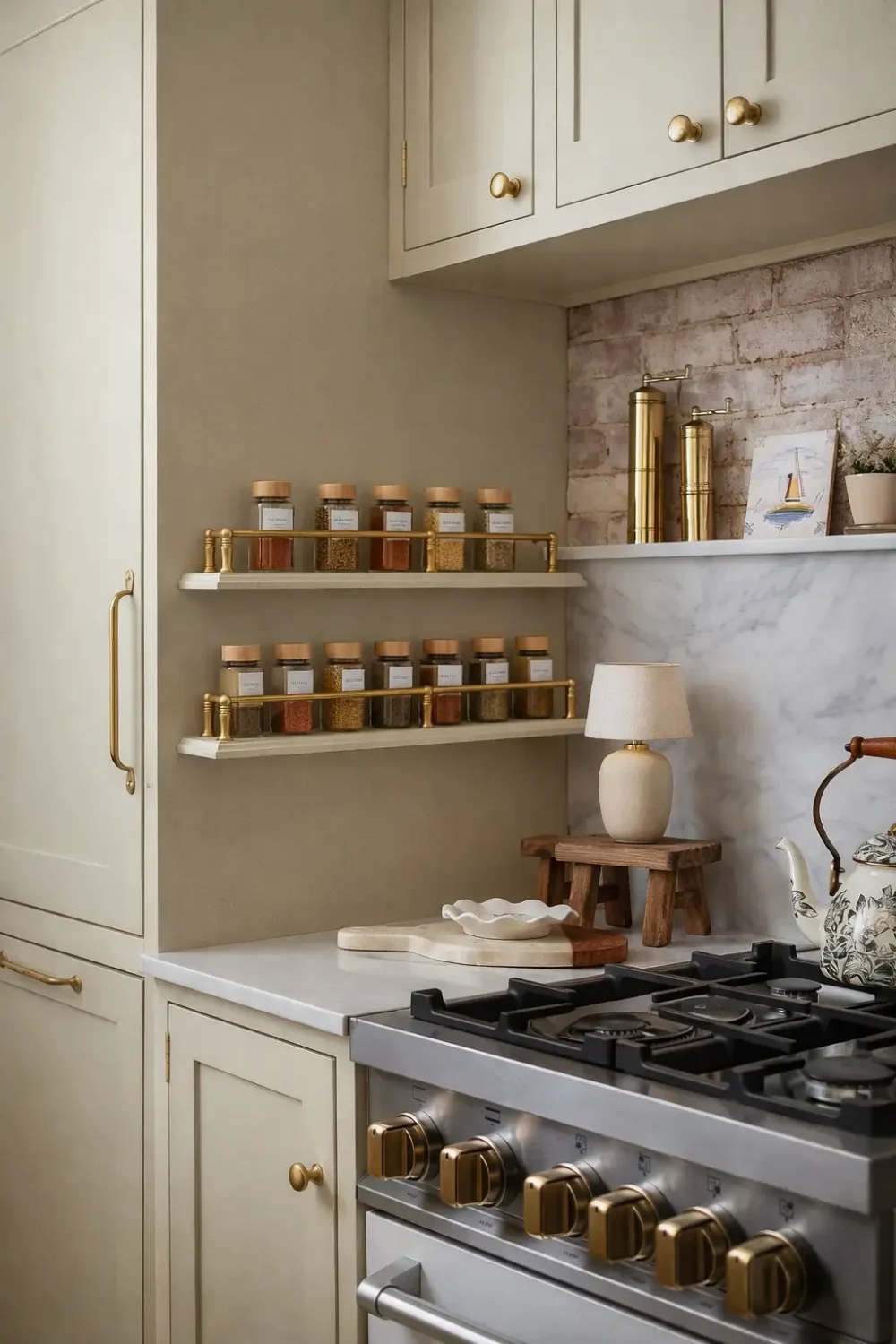
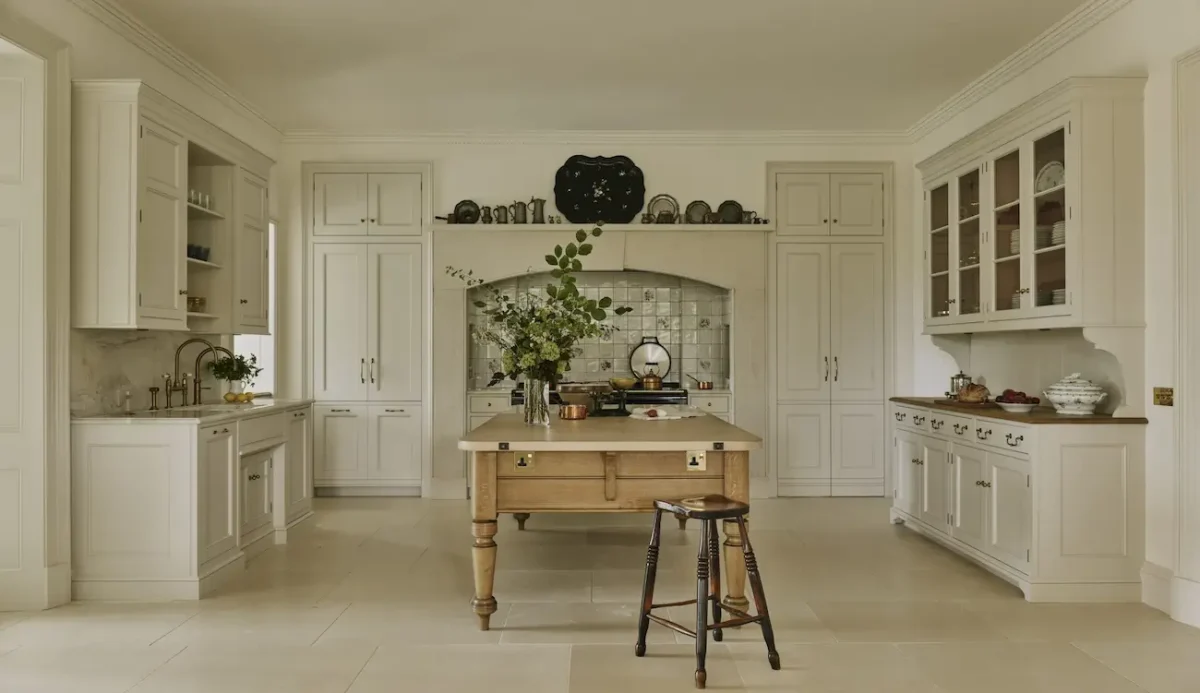
A kitchen backsplash seems like a small decision—until you’re staring at it every morning while waiting for coffee. Then suddenly that tile you fell in love with on Pinterest starts feeling a little… questionable.
The thing about backsplashes is that they sit right at eye level. They connect your countertops, cabinets, hardware, and wall color, which means one wrong choice can throw off the entire room. And unlike paint or decor accessories, they’re not exactly easy or inexpensive to replace.
The good news? Most backsplash regrets come down to the same handful of mistakes. Whether you’re renovating your entire kitchen or simply updating one element, avoiding these common pitfalls can save you money, stress, and years of design remorse.
1. Choosing a Backsplash Before Your Countertops
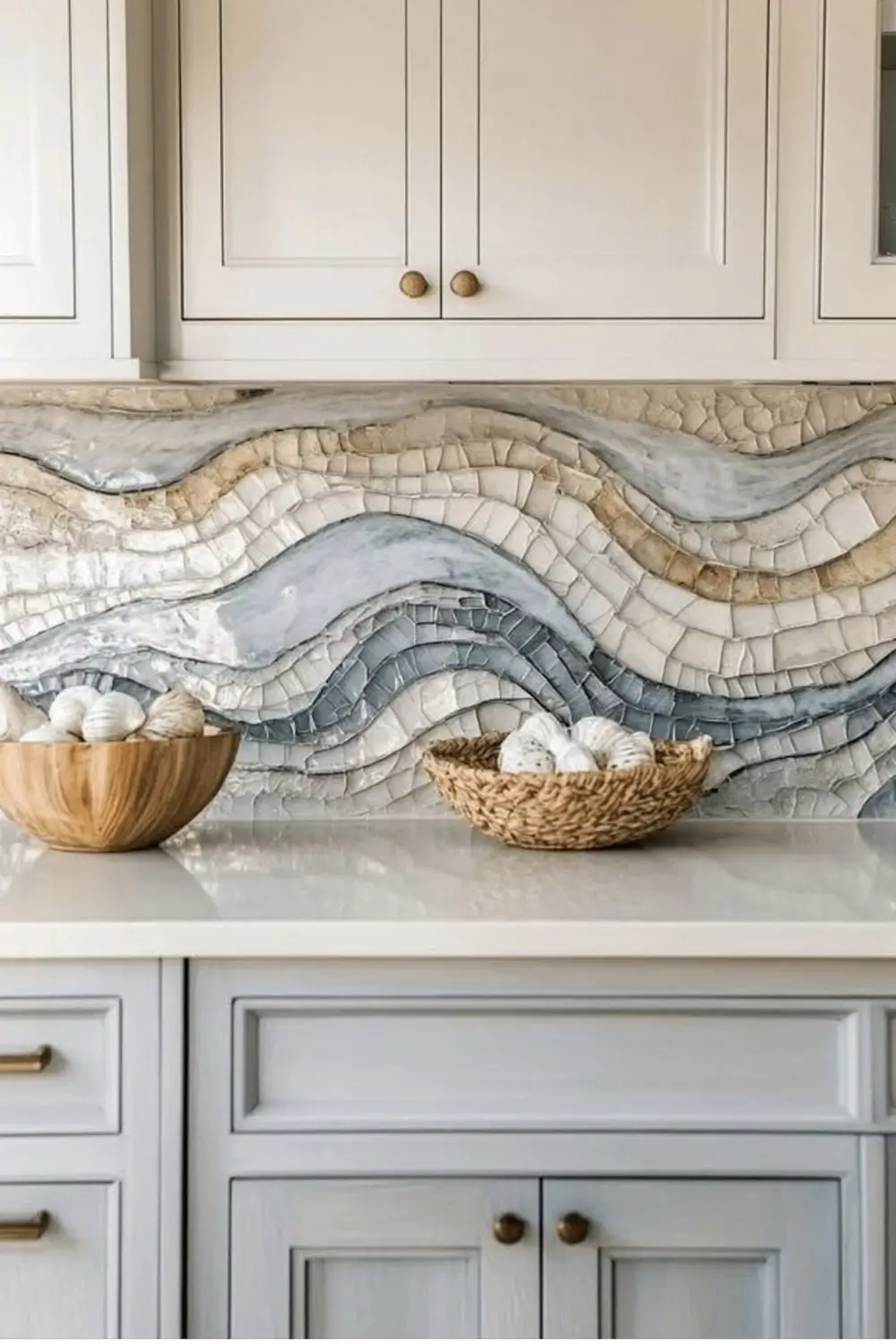
One of the biggest mistakes homeowners make is selecting a backsplash first and then trying to find a countertop that works with it.
Designers typically recommend the opposite approach. Countertops cover a much larger visual area and often represent a bigger investment. Once those are chosen, selecting a complementary backsplash becomes much easier.
If you fall in love with a dramatic tile before choosing your countertop, you may end up limiting your options significantly.
2. Following Trends Too Closely

Every year brings a new “must-have” backsplash trend. A few years ago it was geometric patterns. Then it was bold encaustic tiles. Then ultra-glossy finishes.
While trends can be fun, kitchens are expensive to renovate. A backsplash that feels exciting today may feel dated surprisingly quickly.
Instead of chasing every new trend, focus on materials and designs that have proven staying power. Simple shapes, natural materials, and classic color palettes tend to age more gracefully.
3. Ignoring How Difficult the Material Is to Clean

A backsplash sits directly behind your cooking area. That means grease, sauce splatters, steam, and everyday messes.
Some materials look beautiful in photos but become frustrating in real life. Highly textured surfaces, deep grout lines, and porous materials can require much more maintenance than homeowners expect.
Always ask yourself one question before making a final decision:
“Do I actually want to clean this every week?”
If the answer is no, keep looking.
4. Using Too Much Pattern

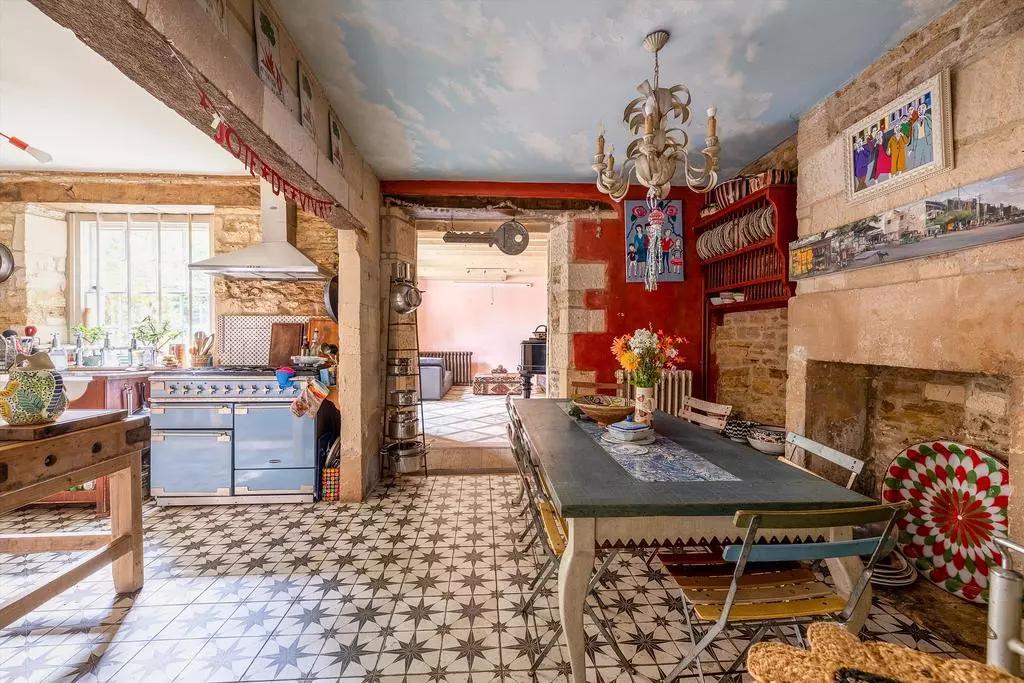
A statement backsplash can absolutely work. The problem happens when it’s competing with patterned countertops, dramatic cabinet colors, bold flooring, and eye-catching lighting.
When every surface wants attention, the kitchen starts feeling visually chaotic.
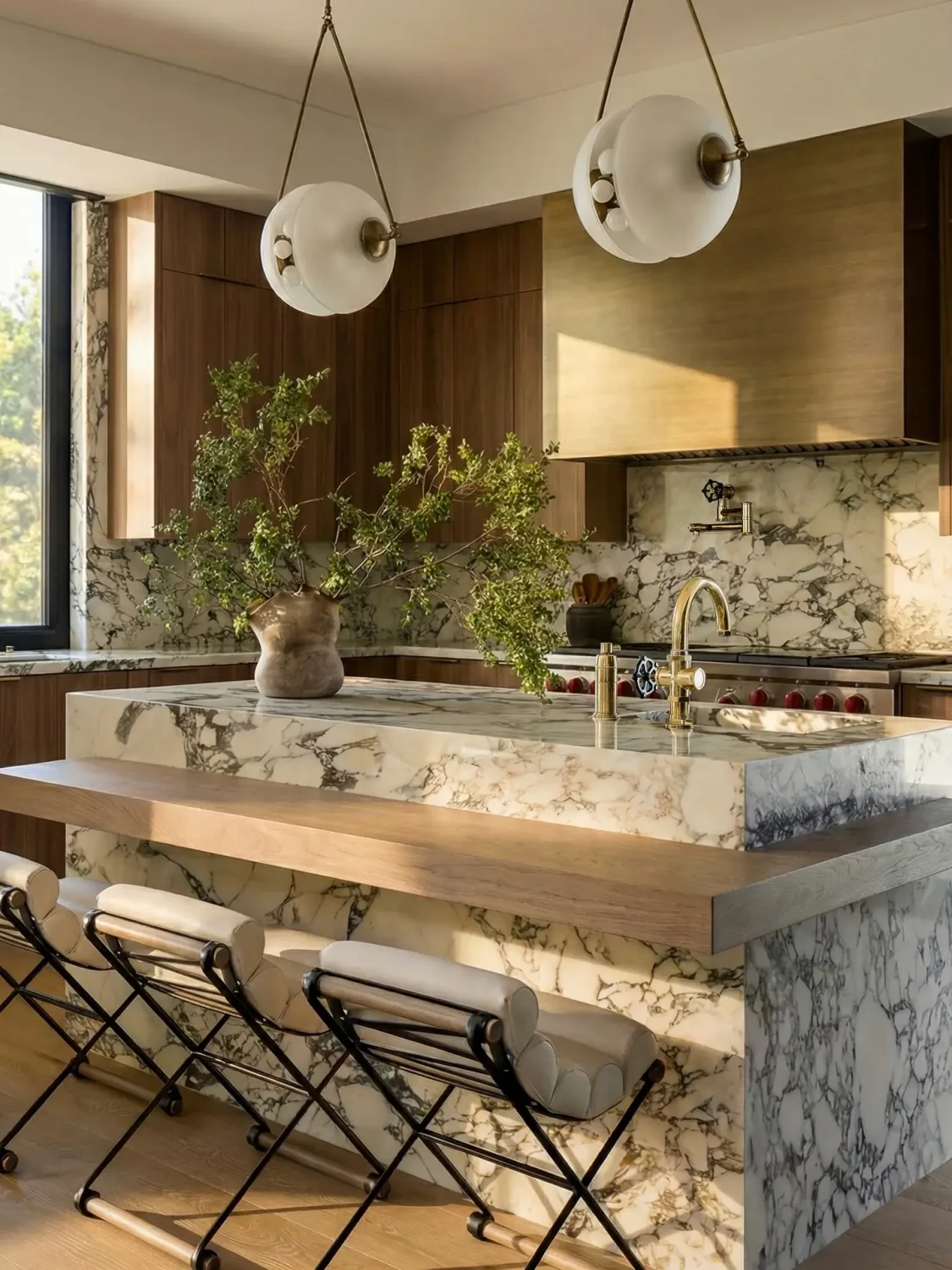
If your countertops already feature strong veining or movement, a quieter backsplash often creates a more balanced result.
5. Choosing Tiny Tiles With Lots of Grout Lines

Small mosaic tiles can look beautiful, but they come with a practical downside: grout.
More grout lines mean more maintenance, more cleaning, and more opportunities for discoloration over time.
Larger-format tiles often provide a cleaner, more contemporary appearance while reducing long-term upkeep.
6. Stopping the Backsplash Too Early
One mistake designers frequently notice is a backsplash that ends abruptly in places where it should continue.
For example, stopping the tile below upper cabinets while leaving awkward painted gaps nearby can make the entire installation feel unfinished.
A backsplash should look intentional. Before installation, consider exactly where it should begin and end so the design feels cohesive.
7. Choosing the Wrong Grout Color
Many homeowners spend weeks selecting the perfect tile and only minutes choosing grout.
Unfortunately, grout can dramatically affect the final appearance.
High-contrast grout emphasizes every tile and grout line. Matching grout creates a more seamless look.
Neither approach is inherently right or wrong, but the choice should be deliberate rather than an afterthought.
8. Installing a Backsplash That Competes With the Countertop
A dramatic marble countertop paired with a busy patterned backsplash often creates visual overload.
When one surface already has significant movement, texture, or color variation, the other typically benefits from being more restrained.
Think of them as a partnership rather than two separate design statements.
9. Choosing Style Over Function Behind the Cooktop
The area directly behind the stove receives the most splatters and heat exposure.
Highly textured materials, rough surfaces, and complicated tile patterns can become difficult to maintain in this location.
Sometimes the most practical choice is also the most beautiful one in the long run.
10. Not Ordering Enough Extra Tile
This mistake often doesn’t become obvious until years later.
Manufacturers discontinue products all the time. If a tile becomes damaged in the future, finding a perfect match may be impossible.
Ordering a little extra during installation can save enormous headaches down the road.
What Kitchen Backsplash Styles Are Most Timeless?

If you’re looking for a backsplash that will still feel fresh ten years from now, designers often recommend:
- Simple subway tiles
- Natural stone slabs
- Handmade ceramic tiles in neutral colors
- Zellige tiles in soft tones
- Large-format porcelain tiles
- Marble-look surfaces with subtle veining
These options tend to work across multiple design styles and adapt well as trends evolve.
Are Subway Tiles Still in Style in 2026?

Yes—but with some updates.
Instead of the bright white, high-contrast look that dominated the 2010s, today’s subway tiles often feature softer colors, handmade textures, warmer whites, and more subtle grout choices.
The shape itself remains timeless. The execution has simply evolved.
Should a Kitchen Backsplash Go All the Way to the Ceiling?
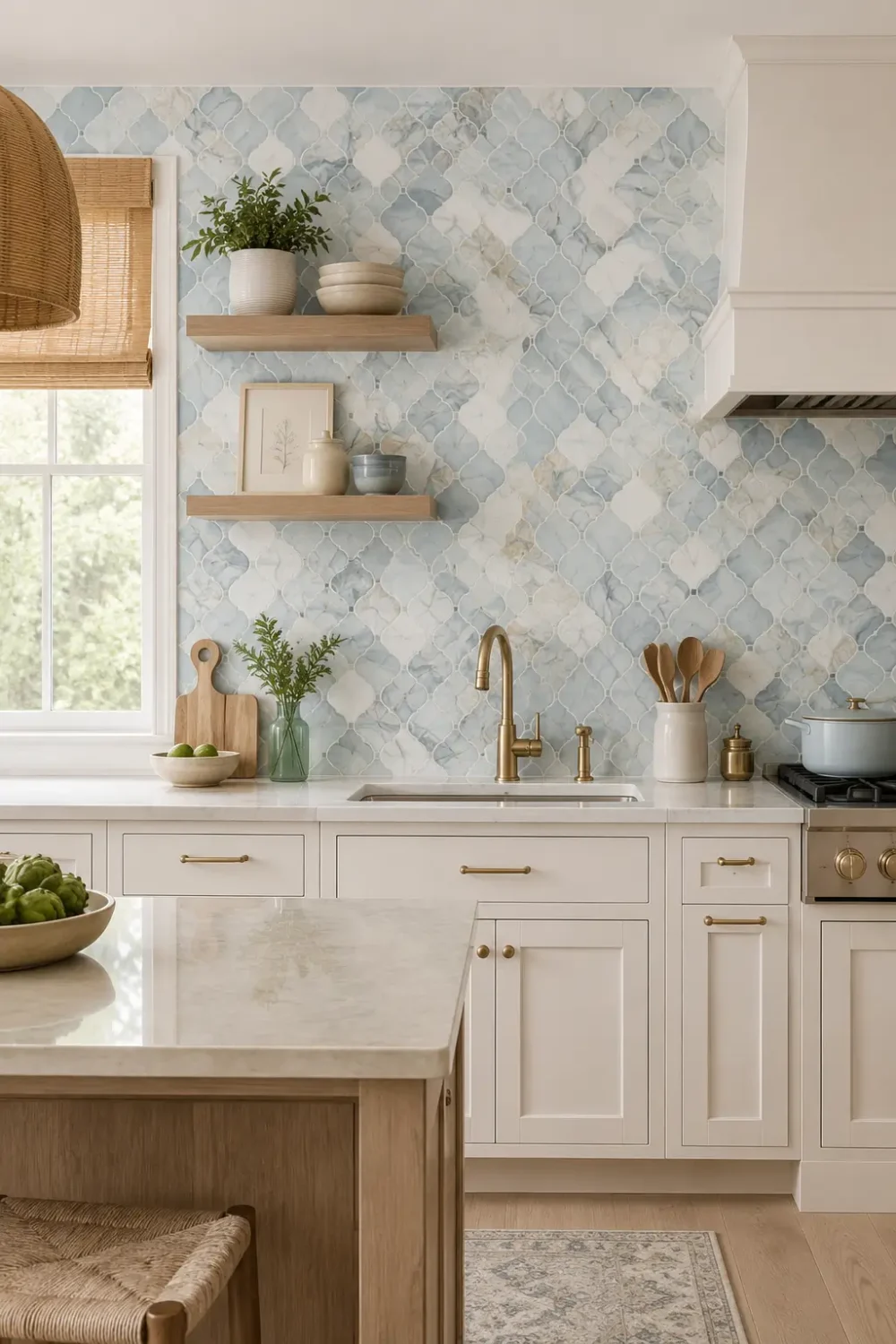
In many cases, yes.
A full-height backsplash creates a more custom appearance, reduces awkward visual breaks, and often makes the kitchen feel larger and more cohesive.
However, the best choice depends on your layout, budget, and overall design goals.
Final Thoughts

A backsplash occupies a relatively small portion of your kitchen, but it has an outsized impact on the way the entire space feels.
The best backsplash isn’t necessarily the trendiest one. It’s the one that works with your countertops, suits your lifestyle, and still makes you happy every time you walk into the room.
Avoid these common mistakes, and you’ll be far more likely to create a kitchen that feels beautiful not just today, but for years to come.
Discover more from Decoholic
Subscribe to get the latest posts sent to your email.