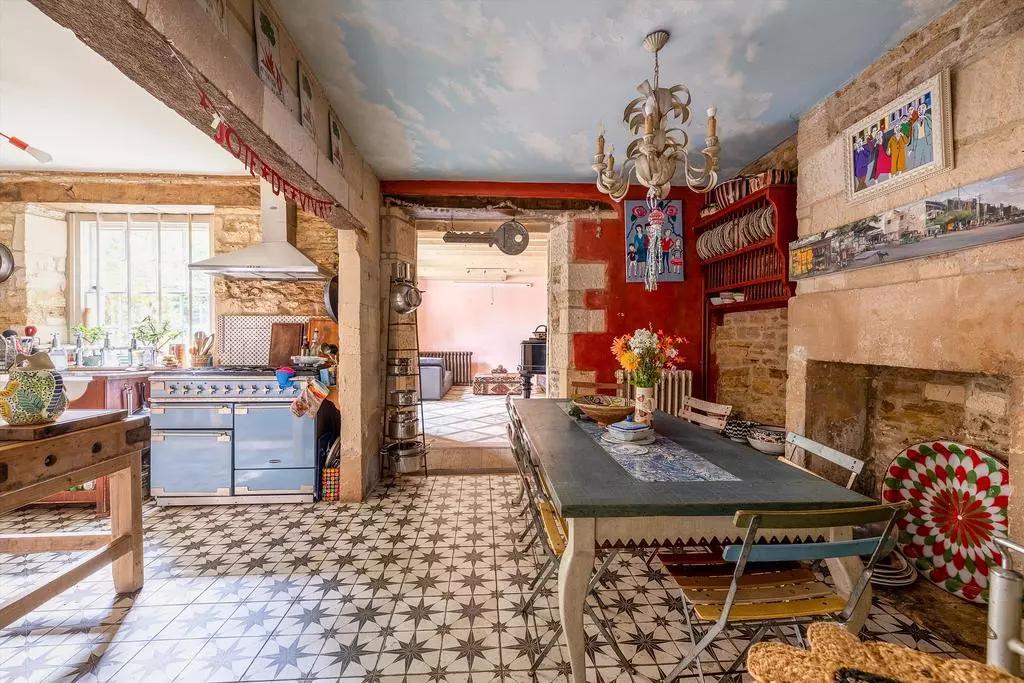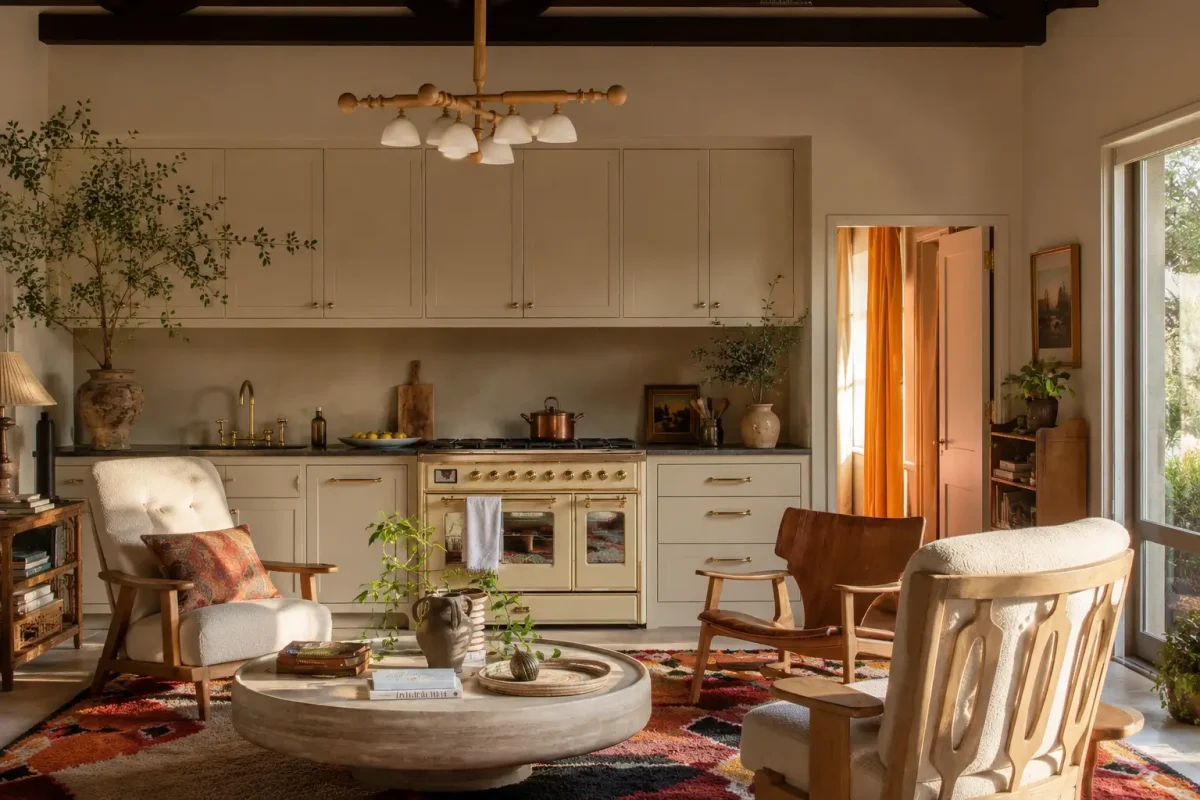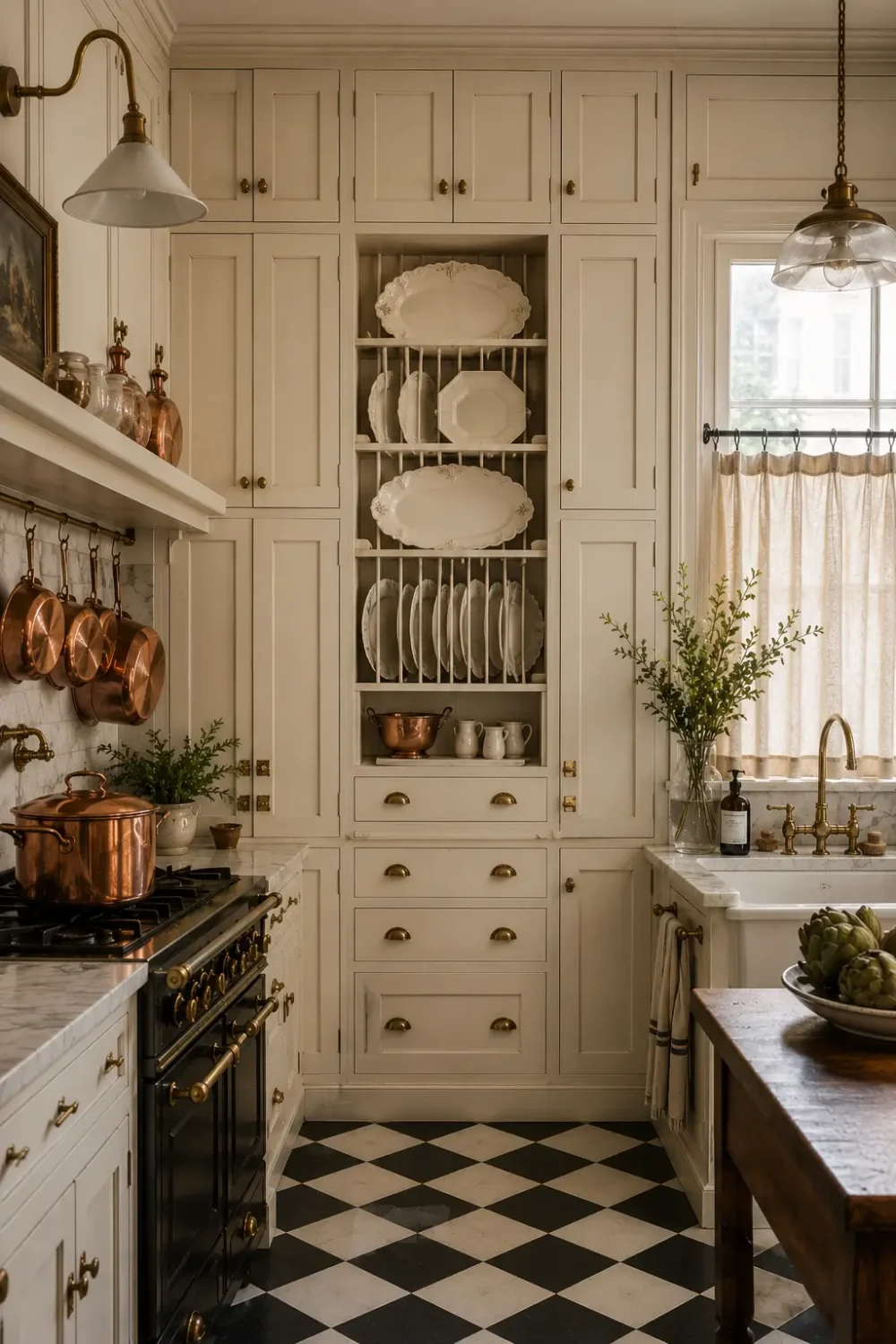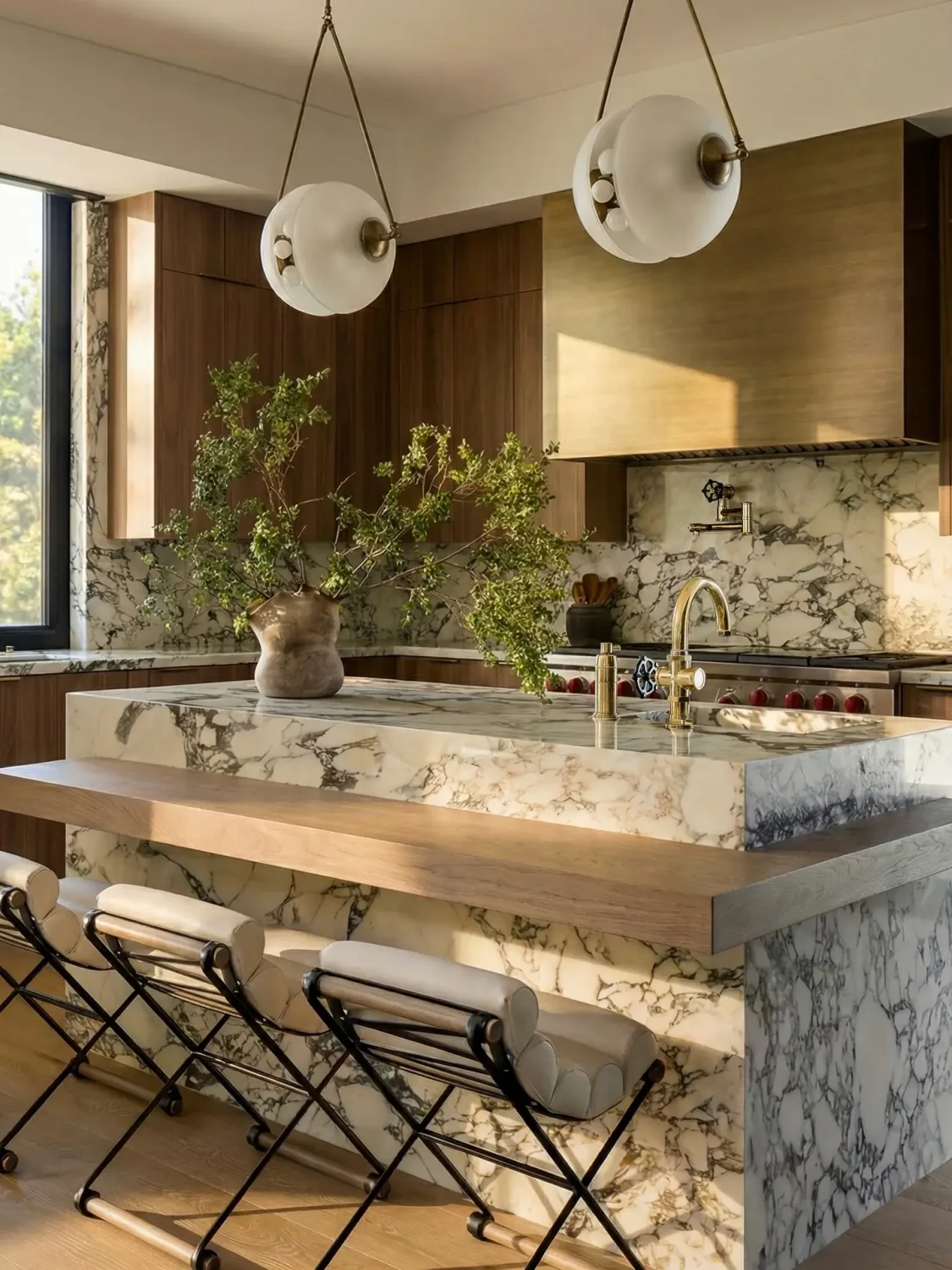
There’s a quiet lie behind most Pinterest kitchens:
They’re not built for real life.
They’re built for photos.
For clean countertops that never get messy.
For people who somehow don’t walk into the house carrying five grocery bags, their keys, and mild frustration.
But real kitchens?
They’re fast. They’re messy. They’re repetitive.
And if you design yours like a photoshoot, it will start annoying you within a week.
So before you copy another “perfect” kitchen—
you need to design around your actual daily routine.
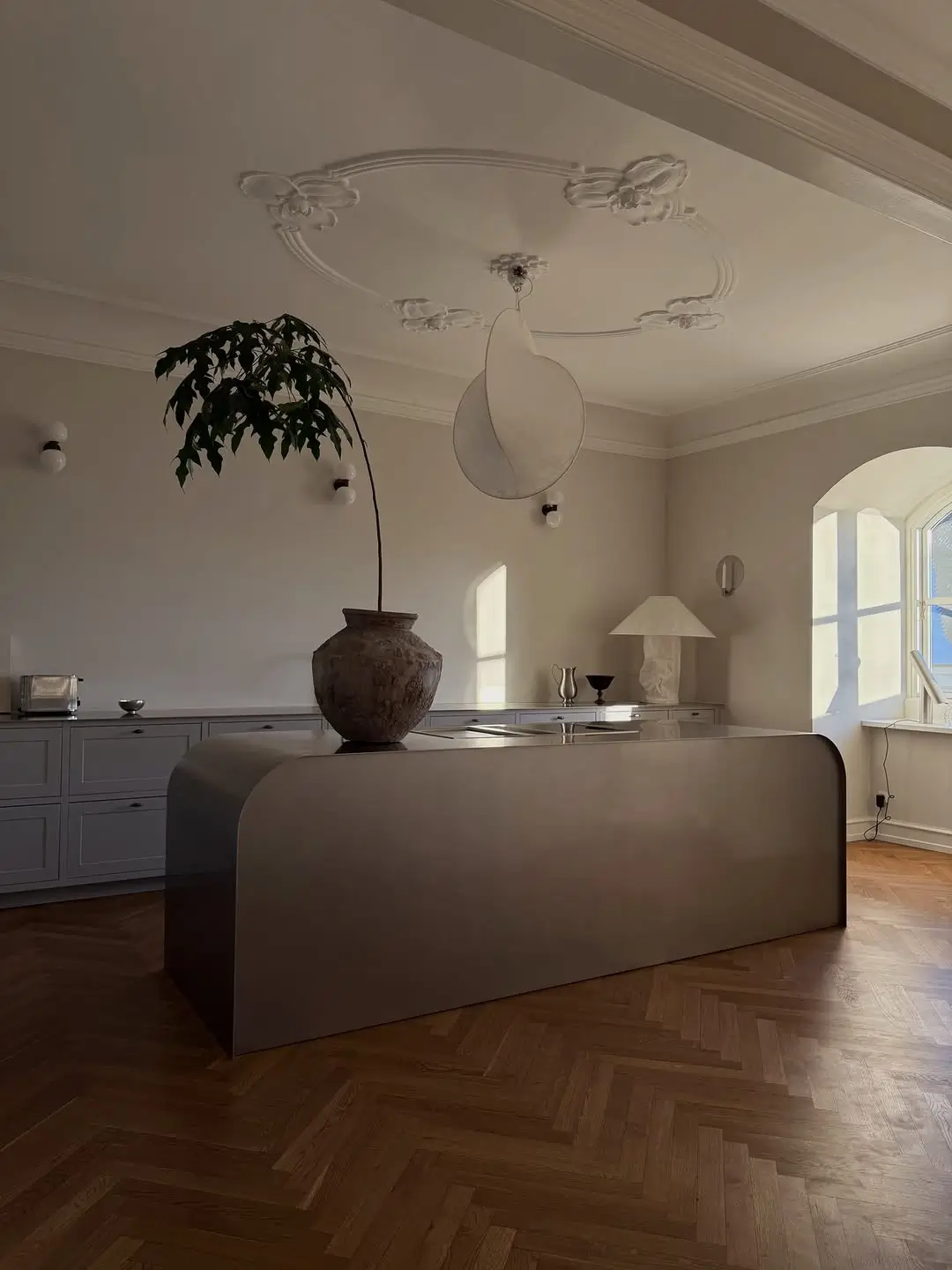
Image: Carla Sofie Molge
Before You Design Anything: Write Your Real Kitchen Life
This sounds simple, but almost no one does it.
Sit down and actually think:
- What do you do when you walk into the kitchen with groceries?
- What do you grab first in the morning?
- Where do things pile up?
- What do you use every single day?
Because here’s the truth:
A good kitchen is just a series of small, effortless movements.
And your goal?
Make those movements as short and easy as possible.
The Grocery Flow No One Designs (And Everyone Needs)
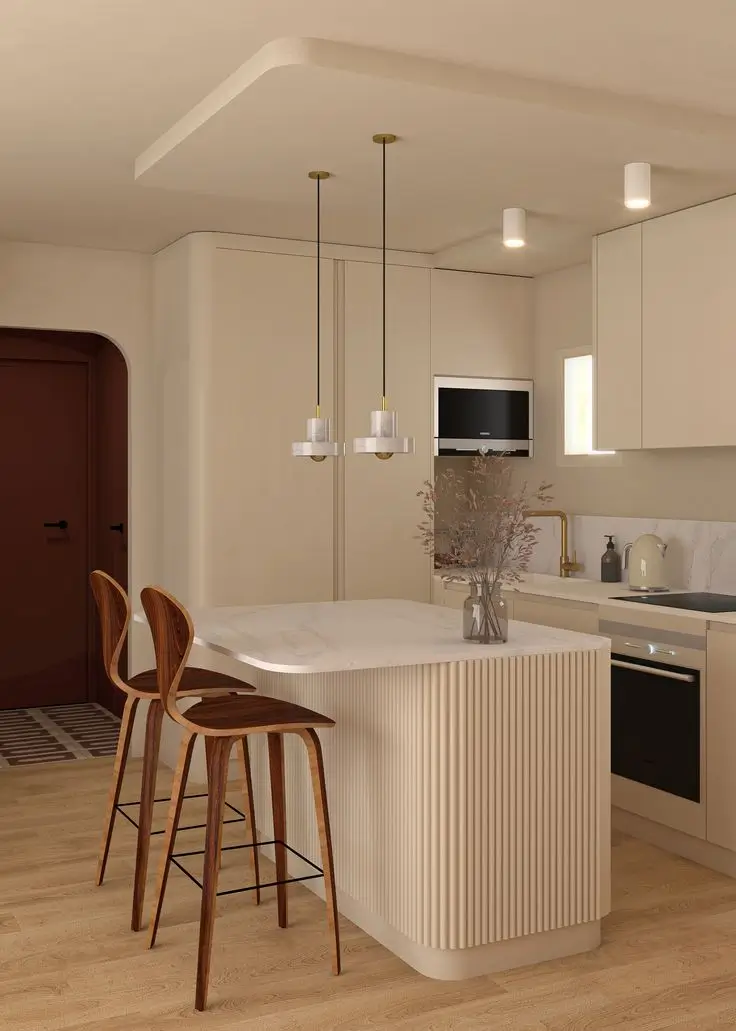
Let’s start with something very real:
You walk in, hands full of bags.
Now what?
In most Pinterest kitchens, there is no obvious place to land.
So everything ends up on the island… and stays there.
What actually works:
- Place your fridge and pantry close together
- Ideally at the entrance of the kitchen
- And directly in front (or very close)?
a counter or table
So you can:
- drop the bags immediately
- unpack without walking back and forth
- place things directly where they belong
It sounds small. It’s not.
This is daily friction vs daily ease.
The Triangle Is Fine—But Your Life Is More Complicated
Yes, the classic work triangle (sink–stove–fridge) matters.
But real life doesn’t happen in perfect triangles.
Example:
Vegetables should live near the sink
Because in reality:
- you take them out
- you wash them
- you prep them
If they’re far away?
You’re just adding unnecessary steps to something you do every day.
A good kitchen follows your habits—not just design rules.
Storage Should Be Designed Around What You Actually Buy

This is where most kitchens completely fail.
They’re designed for “average use.”
But your life is not average.
Let’s be honest:
In Greece, many people buy a 5-liter+ tin of olive oil
And yet—almost no kitchen plans for it.
So what happens?
It ends up under the sink. Next to the pipes. And the cleaning products.
Which is:
- not hygienic
- awkward to access
- easy to spill
- and honestly… just wrong
What actually works:
- Give heavy, everyday items their own proper space
- Low cabinet (but not under the sink)
- Easy access
- Close to where you actually use it
And more importantly:
Design shelves based on real product sizes
Not Pinterest jars.
Not styled containers.
Your actual groceries.
The Hidden Appliance Cabinet (The Only Way to Have a “Clean” Kitchen)
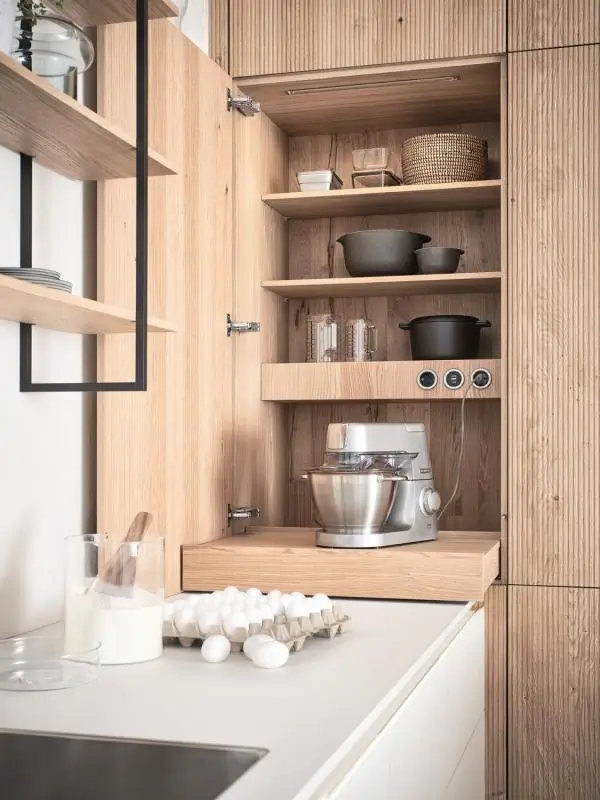
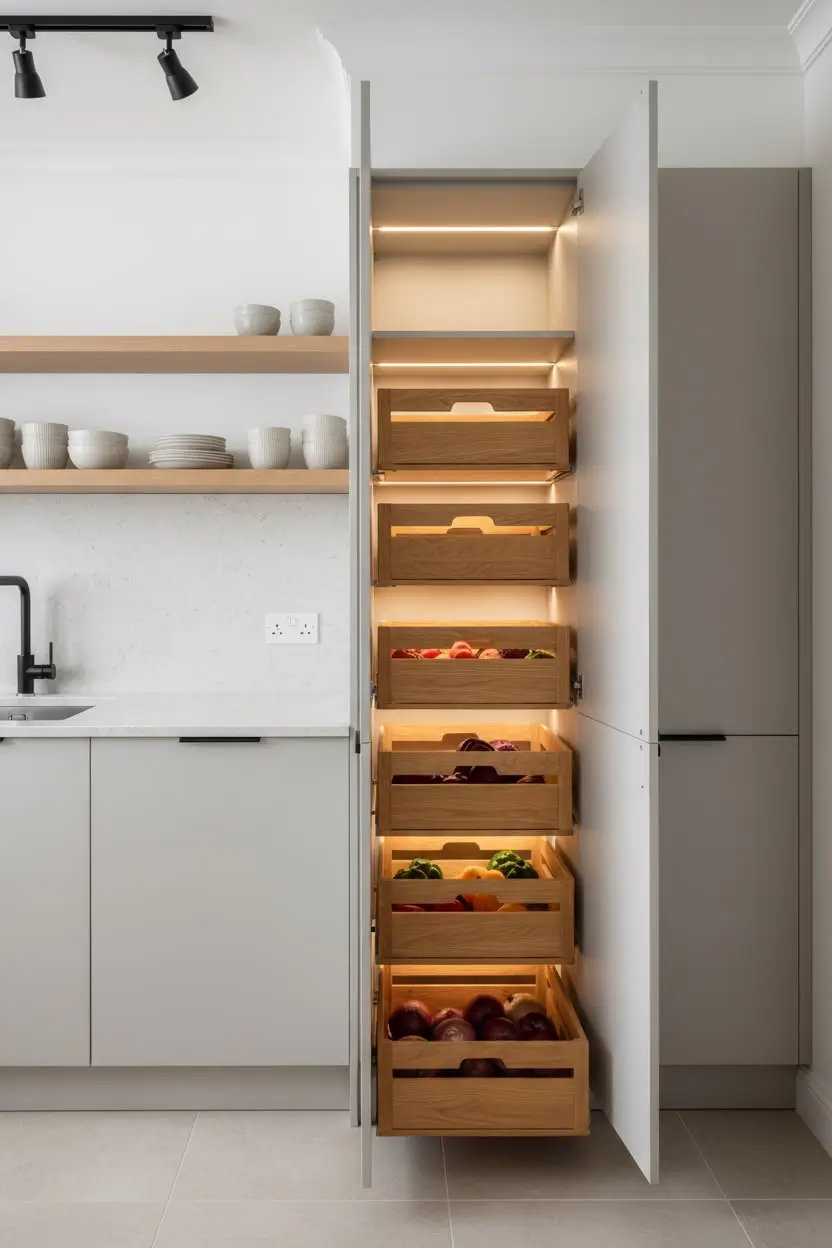
Image: LEICHT
Yes, it’s beautiful when appliances don’t show.
But hiding everything completely?
That’s where frustration begins.
Because in real life, you use the same things every day:
- coffee machine
- kettle
- toaster
- maybe an air fryer you’re currently obsessed with
What actually works:
A hidden appliance cabinet
- Slightly higher than the counter
- Easy to open
- Holds daily-use appliances
So:
- visually → clean
- practically → effortless
This is how you get the Pinterest look without the Pinterest inconvenience.
Open Shelves: Not Just for Pinterest (If You Use Them Right)
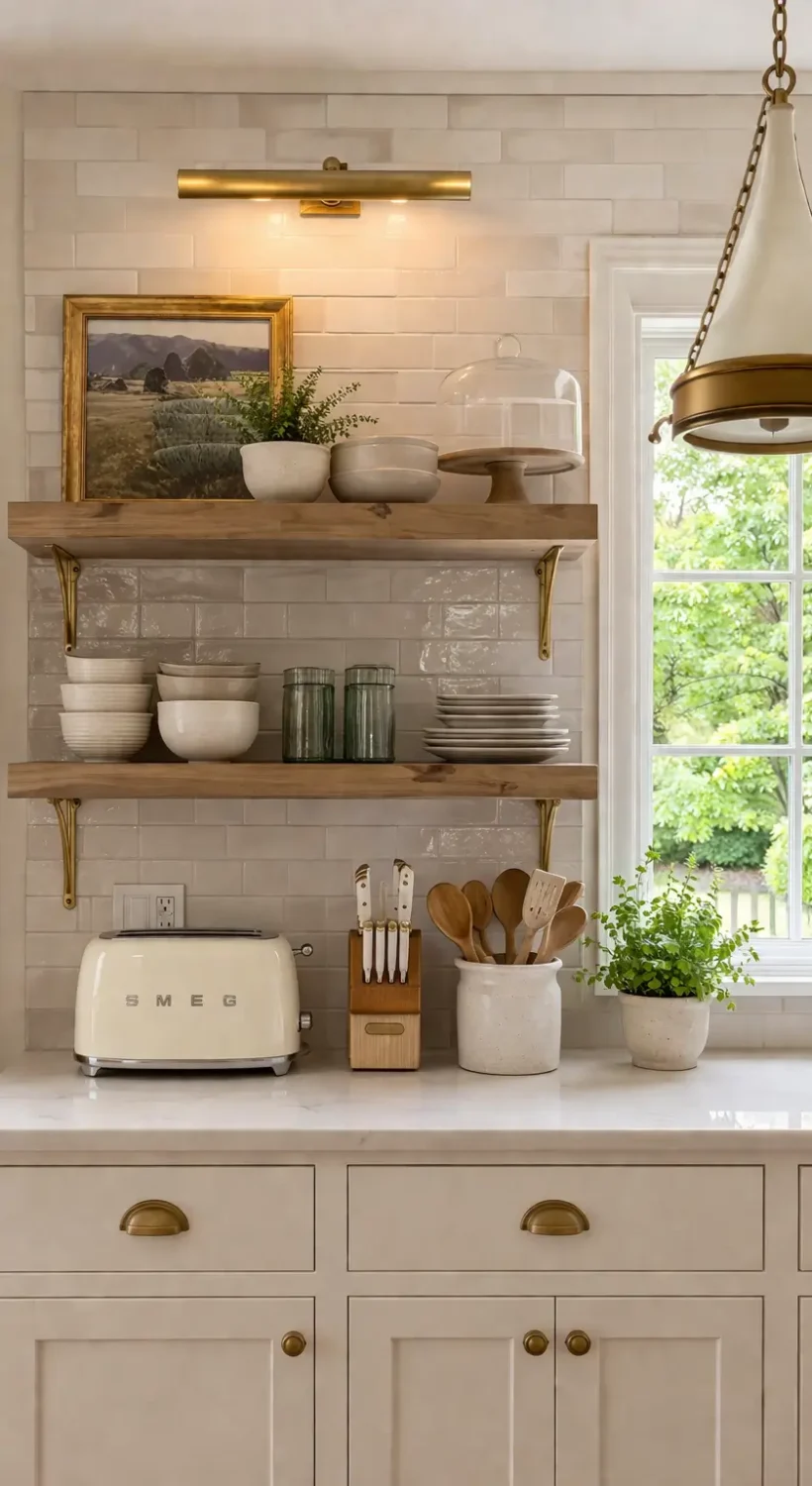
There’s a lot of “open shelves are useless” talk lately.
I don’t fully agree.
Because when done right, they’re incredibly practical.
Example:
Open shelves above the sink (ideally near the window)
- perfect for daily plates and glasses
- easy to grab
- actually reduce movement
The rule:
- only things you use every day
- a few decorative pieces
- no overcrowding
So yes—open shelves work.
Just not as your entire storage system.
The “Drop Zone” Problem (Why Your Kitchen Always Gets Messy)
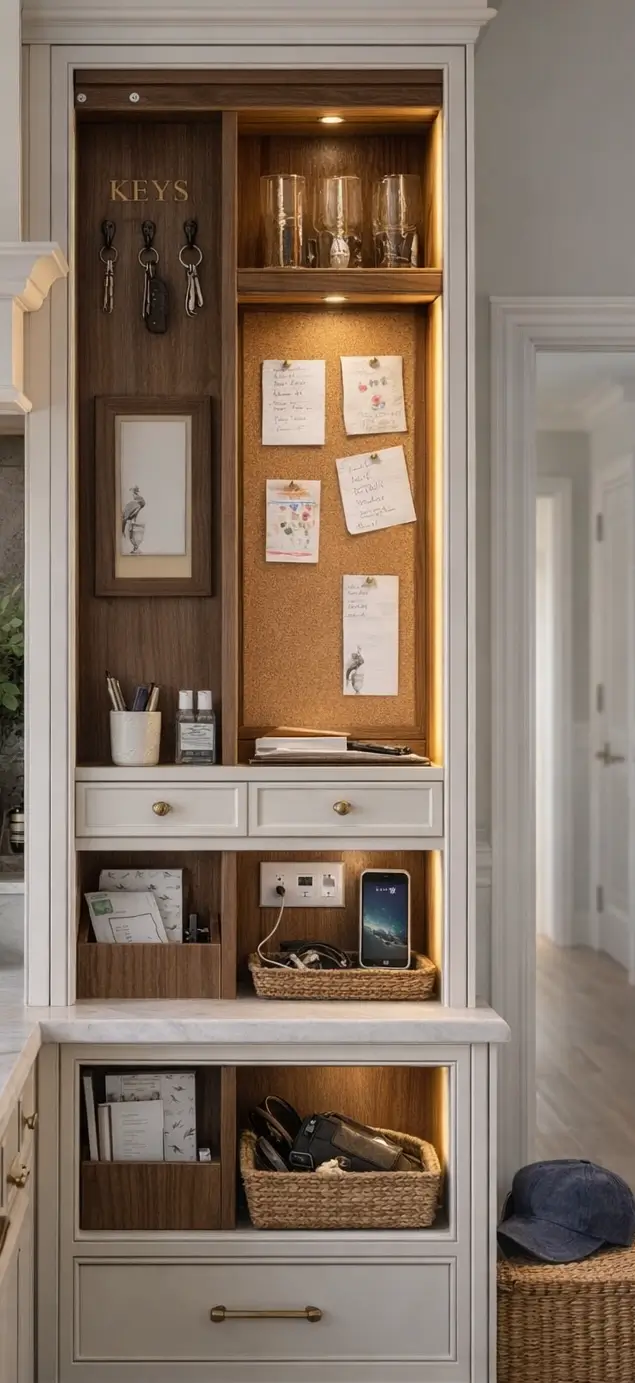
Every kitchen needs a place where things can land temporarily.
Keys. Notes. Random items.
If you don’t design this intentionally?
Your island becomes a permanent mess.
What actually works:
- a small dedicated surface
- a tray or defined area
- a space that can “absorb” chaos
Because mess isn’t the problem.
Unplanned mess is.
Design for Fewer Steps (This Is the Real Secret)
This is the mindset shift that changes everything:
Your kitchen should minimize movement.
- fridge → counter → minimal steps
- storage → sink → direct
- prep → cooking → smooth
If you find yourself:
- walking back and forth
- turning constantly
- reaching awkwardly
Something is off.
A well-designed kitchen feels… easy.
The Real Difference
Pinterest kitchens ask:
“How does it look?”
Real kitchens ask:
“How do I move through this space every day?”
And once you start designing from that question—
You stop copying.
You start building something that actually works.
Final Thought
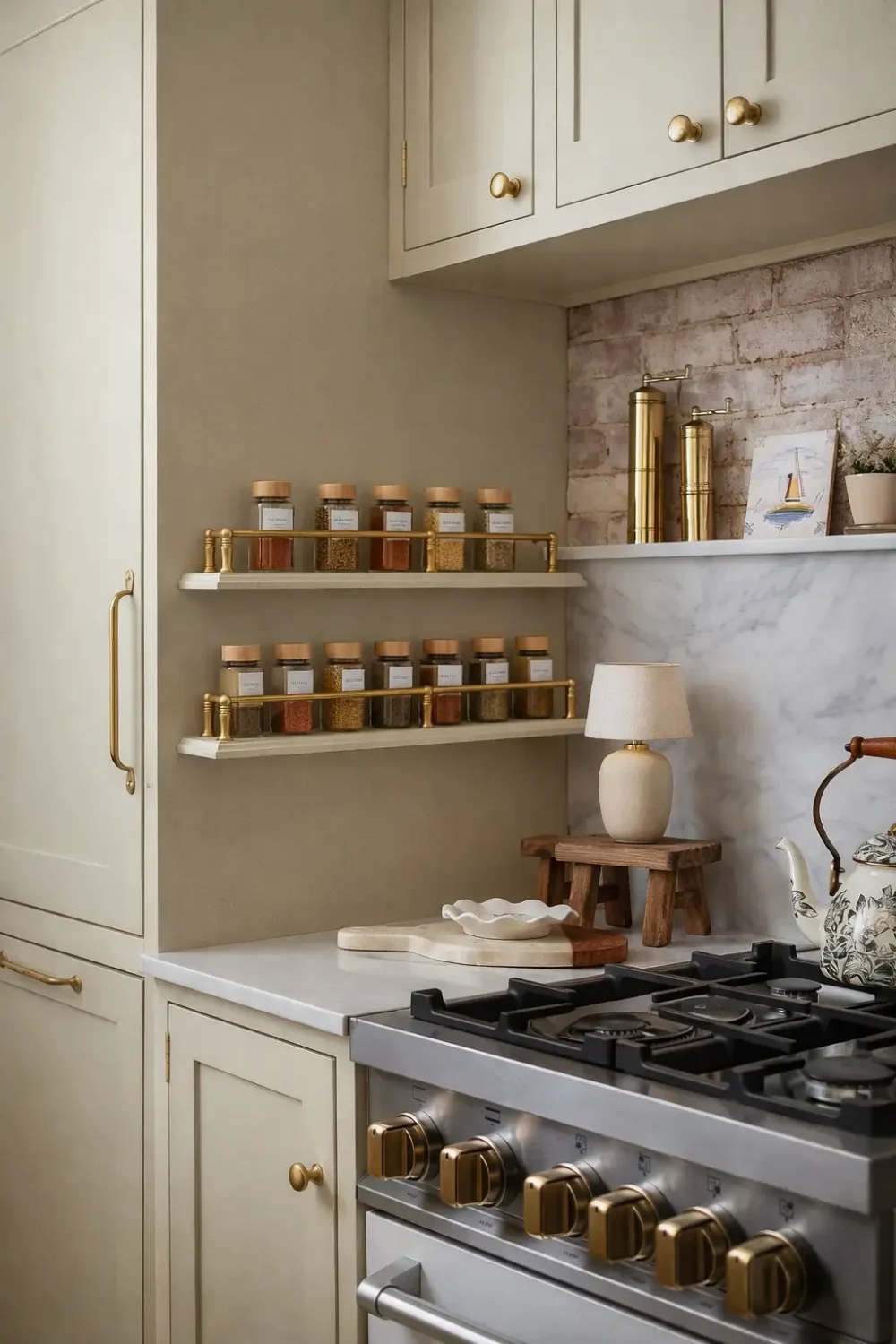
Shop the look
Creative Co-Op Small Wood Pedestal with Handle, $33.24
Brass Greek Salt Mill, $115.00
Farmstead Glazed Delft Ceramic Tile, $3.95 / pcs
Round Marble Wood Paddle Cutting Board, $71.99
Your kitchen doesn’t need to be perfect.
It needs to:
- support your habits
- reduce effort
- and make everyday life smoother
Because the best kitchen?
Isn’t the one that photographs well.
For more kitchen inspiration, check out:
- You Won’t Believe This Kitchen Started With Just an Island Refresh
- The 6 Most Beautiful Refrigerators I Can’t Stop Thinking About (And Why They Might Change Your Kitchen Forever)
- A Light Blue-gray Italian Kitchen That Redefines “La Dolce Vita”
- Brighten Your Kitchen with the LAURA ASHLEY China Rose Collection
- A Kitchen that Tells a Story
It’s the one that quietly works perfectly every single day.
Discover more from Decoholic
Subscribe to get the latest posts sent to your email.